Exploring the Latest Updates on Tesla’s 2022 Model

0

[ad_1]

In this article, we will explore the Latest Updates on Tesla’s 2022 Model. We’ll take a closer look at the new features, performance upgrades, and everything else you need to know about this groundbreaking electric car.

What are the key features of Tesla’s 2022 model?

The 2022 Tesla model boasts an impressive range of over 400 miles on a single charge, making it one of the longest ranges of any electric car on the market. The new model also features an updated interior with a minimalist design and a large touchscreen display. In terms of performance, the 2022 model promises even faster acceleration and improved handling, thanks to its advanced electric drivetrain and suspension system.

Furthermore, Tesla has also introduced new autonomous driving capabilities, allowing the car to navigate through traffic, change lanes, and park itself with minimal driver input. The 2022 model also comes with the latest software updates, including improved voice recognition and an enhanced entertainment system.

Latest Updates on Tesla's 2022 Model

How does the 2022 model compare to previous Tesla models?

Compared to previous Tesla models, the 2022 model offers significant improvements in range, performance, and technology. The longer range and faster acceleration make it an even more practical and enjoyable car to drive on a day-to-day basis. The updated interior and software features also bring the 2022 model in line with the latest trends in automotive design and technology.

Overall, the 2022 model represents a leap forward for Tesla in terms of electric vehicle technology and innovation, setting a new standard for the future of sustainable transportation.

Are there any drawbacks to the 2022 model?

One potential drawback of the 2022 Tesla model is its high price tag, which may put it out of reach for some consumers. Additionally, while the autonomous driving capabilities are impressive, they may still require some oversight and refinement to fully realize their potential.

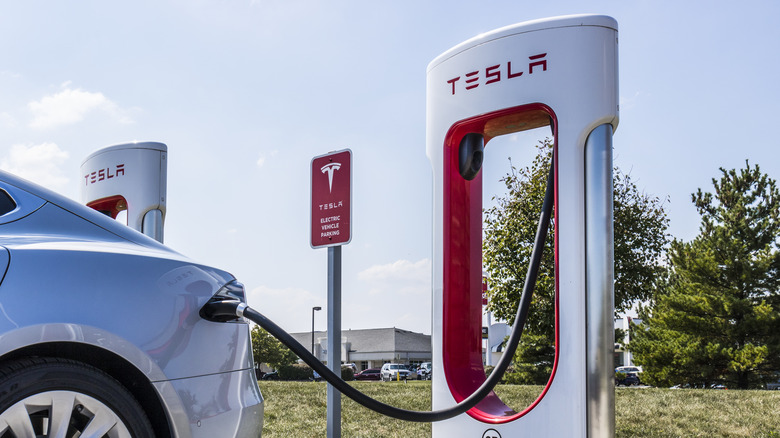
Another consideration is the availability of charging infrastructure, which may vary depending on the region. However, with the continued expansion of Tesla’s Supercharger network and other charging options, this issue is becoming less of a concern for potential buyers.

What are the safety features of the 2022 model?

The 2022 Tesla model comes equipped with a comprehensive set of safety features, including advanced driver-assist systems, collision avoidance technology, and a sturdy body structure designed to protect occupants in the event of a crash. The car also features an array of sensors and cameras that provide a 360-degree view of its surroundings, helping to prevent accidents and improve overall safety.

Furthermore, Tesla’s over-the-air software updates allow the company to continuously improve the car’s safety features and performance, providing peace of mind for owners and keeping the car at the forefront of automotive safety technology.

How does the 2022 model contribute to a sustainable future?

As with all Tesla vehicles, the 2022 model plays a crucial role in advancing sustainable transportation and reducing reliance on fossil fuels. The car’s electric drivetrain and long-range capabilities make it an attractive alternative to traditional gasoline-powered cars, offering a cleaner and more environmentally friendly transportation option.

Additionally, Tesla’s commitment to renewable energy and its development of solar and energy storage solutions further reinforce the company’s dedication to creating a more sustainable future for all.

Latest Updates on Tesla's 2022 Model

Conclusion

The 2022 Tesla model represents a significant step forward in electric vehicle technology, offering impressive range, performance, and advanced features that set it apart from its predecessors. With its sleek design, cutting-edge technology, and commitment to sustainability, the 2022 model is poised to redefine the automotive industry and pave the way for a cleaner, more efficient future of transportation.

FAQs

1. What is the price of the 2022 Tesla model?

The price of the 2022 Tesla model starts at $69,420. However, the final cost may vary depending on additional options and features selected.

2. Can the 2022 model be charged at any electric charging station?

Yes, the 2022 model can be charged at most electric charging stations, including Tesla’s Supercharger network. It also supports home charging with a standard wall outlet or a dedicated charging unit.

3. Does the 2022 model have a warranty?

Yes, the 2022 Tesla model comes with a comprehensive warranty that covers the vehicle for a specified period, including the battery and powertrain components.

4. How long does it take to fully charge the 2022 model?

The charging time for the 2022 model varies depending on the charging method and the current battery level. With a Tesla Supercharger, the car can be charged to 80% capacity in around 30 minutes, while home charging may take several hours to reach a full charge.

5. Can the 2022 model support towing or carrying heavy loads?

The 2022 Tesla model is not designed for heavy-duty towing or hauling, but it can handle moderate loads within its specified limits. Owners should consult the vehicle’s documentation for specific towing and carrying capacities.

[ad_2]
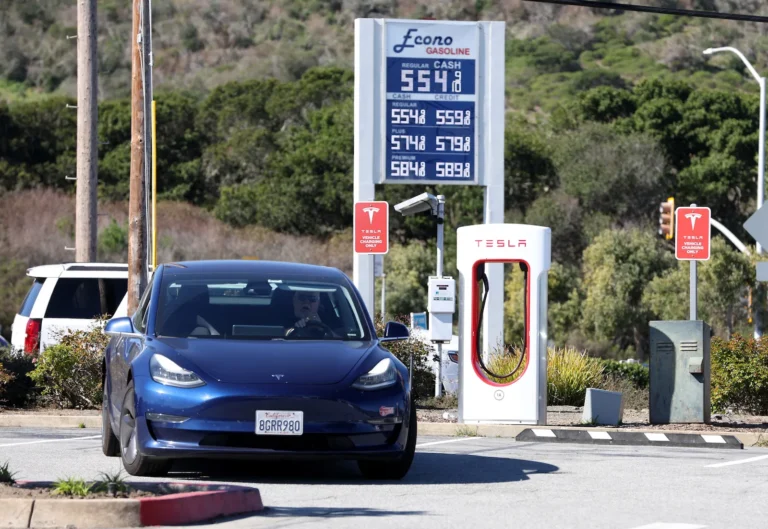
Latest Updates on Tesla’s 2022 Model

Understanding the Cost of Charging a Tesla

0

[ad_1]

In this article, we will discuss the various factors that affect the cost of charging a Tesla, including the different charging options, electricity rates, and the potential savings compared to traditional gasoline-powered vehicles.

How does the cost of charging a Tesla compare to fueling a traditional gasoline-powered car?

When it comes to the cost of charging a Tesla, the first thing to consider is the price of electricity versus the price of gasoline. The cost of electricity can vary depending on where you live and the time of day, while the price of gasoline can fluctuate based on global oil prices.

On average, the cost to charge a Tesla is significantly lower than the cost of fueling a traditional gasoline-powered car. Studies have shown that switching to an electric vehicle can save drivers hundreds or even thousands of dollars per year in fuel costs.

Cost of Charging a Tesla

What are the different charging options for a Tesla?

Tesla vehicles can be charged using a standard electrical outlet, a dedicated home charging unit, or at public charging stations. The time it takes to charge a Tesla can vary depending on the charging option used. For example, using a standard electrical outlet may take several hours to fully charge the vehicle, while a dedicated home charging unit can significantly reduce the charging time.

Additionally, Tesla owners also have access to the extensive Supercharger network, which allows for fast charging at convenient locations. Superchargers are designed to provide a half charge in about 30 minutes, making long-distance travel feasible for Tesla drivers.

How do electricity rates affect the cost of charging a Tesla?

Electricity rates can have a significant impact on the overall cost of charging a Tesla. Some utility companies offer discounted electricity rates for electric vehicle owners, making it even more cost-effective to charge a Tesla at home. Time-of-use pricing, which charges higher rates during peak hours and lower rates during off-peak hours, can also affect the cost of charging a Tesla.

By taking advantage of off-peak electricity rates and home charging, Tesla owners can further reduce the cost of charging their vehicles and maximize their potential savings.

Can the cost of charging a Tesla be offset by incentives and rebates?

In many regions, government incentives and rebates are available to support the adoption of electric vehicles, including Teslas. These incentives can include tax credits, rebates on the purchase of a new Tesla, and financial incentives for installing home charging equipment.

By taking advantage of these incentives, Tesla owners can significantly reduce the upfront costs of purchasing a vehicle and charging equipment, making the transition to an electric vehicle even more affordable.

What are the potential savings of charging a Tesla compared to a traditional gasoline-powered car?

When comparing the cost of charging a Tesla to the cost of fueling a traditional gasoline-powered car, the potential savings can be substantial. Over the lifetime of a vehicle, the savings from charging a Tesla rather than fueling a gasoline-powered car can amount to thousands of dollars.

In addition to the financial savings, driving a Tesla can also lead to reduced maintenance costs, as electric vehicles generally have fewer moving parts and require less frequent servicing compared to traditional internal combustion engine vehicles.

Conclusion

Understanding the cost of charging a Tesla involves considering various factors, such as the price of electricity, different charging options, potential incentives, and long-term savings compared to traditional gasoline-powered vehicles. By taking advantage of home charging, off-peak electricity rates, and government incentives, Tesla owners can significantly reduce the cost of charging their vehicles and enjoy the financial and environmental benefits of driving an electric vehicle.

Cost of Charging a Tesla

FAQs

1. Are Tesla’s Superchargers free to use?

No, there is a cost associated with using Tesla’s Superchargers. The cost of using a Supercharger is added to the overall cost of charging a Tesla and varies depending on the location and local electricity rates.

2. Can I charge my Tesla at home with a standard electrical outlet?

Yes, it is possible to charge a Tesla using a standard electrical outlet, but it will take a longer time to fully charge the vehicle compared to using a dedicated home charging unit.

3. Are there any government incentives for purchasing a Tesla?

Government incentives and rebates for electric vehicles, including Teslas, vary by region. It’s important to check with local authorities to see what incentives may be available in your area.

4. How do off-peak electricity rates affect the cost of charging a Tesla?

Off-peak electricity rates can reduce the overall cost of charging a Tesla, as charging during off-peak hours can result in lower electricity rates compared to peak hours.

5. What are the maintenance costs of owning a Tesla compared to a traditional gasoline-powered car?

Electric vehicles, including Teslas, generally have lower maintenance costs compared to traditional gasoline-powered cars, as they have fewer moving parts and require less frequent servicing.


[ad_2]

Cost of Charging a Tesla

Troubleshooting Tesla Phone Key Issues

0

[ad_1]

Have trouble with your Tesla phone key? This article will guide you through some common issues and how to troubleshoot them. From connectivity problems to software glitches, we’ll cover it all to ensure you can use your Tesla phone key seamlessly.

Why isn’t my phone connecting to my Tesla?

If your phone is not connecting to your Tesla, there are a few things you can check. First, make sure that your phone’s Bluetooth is turned on and that it is near your car. Sometimes, simply turning Bluetooth off and on again can resolve the connectivity issue. Additionally, you can try restarting your phone and your car to see if that helps establish the connection. If none of these steps work, it may be a software issue that requires a Tesla service center visit.

Another common reason for connectivity problems is interference from other Bluetooth devices. Make sure that there are no other devices nearby that could be causing interference. Additionally, if you have multiple phones connected to your car, try disconnecting one to see if that resolves the issue.

Troubleshooting Tesla Phone Key Issues

My Tesla phone key is not unlocking the car. What should I do?

If your phone key is not unlocking your Tesla, there are a few troubleshooting steps you can take. First, check the Tesla app on your phone to ensure that the car is within range and that the app is showing the correct status of the car. If the app is not showing the correct status, try refreshing it or force quitting the app and reopening it.

If the app is showing the correct status but the car is not unlocking, try placing your phone closer to the car’s door handle and ensuring that the Bluetooth signal is strong. If all else fails, you can try using the physical key card that came with your Tesla to unlock the car, and then investigate the phone key issue further.

Why is my Tesla phone key draining my phone’s battery?

If you notice that your phone’s battery is draining faster than usual when using the Tesla phone key, there are a few potential causes. One common cause is that the Tesla app is running in the background and using up battery. To address this, you can force quit the Tesla app when you are not using it, and disable background app refresh for the Tesla app in your phone’s settings.

Another potential cause of battery drain is that the Bluetooth connection between your phone and your car is constantly active. In this case, you can try turning off Bluetooth when you are not using your car, or disconnecting your phone from the car’s Bluetooth in your phone’s settings. You can also try updating the Tesla app to the latest version to see if any battery optimization improvements have been made.

What should I do if I am still experiencing issues with my Tesla phone key?

If you have tried the troubleshooting steps mentioned above and are still experiencing issues with your Tesla phone key, it may be time to seek assistance from Tesla support. You can contact Tesla customer support or schedule a service appointment to have the issue diagnosed and resolved by a Tesla technician. Additionally, you can check for any software updates for your car and phone, as these updates may contain bug fixes or improvements related to the phone key functionality.

Troubleshooting Tesla Phone Key Issues
2MMF965 Ljubljana, Slovenia – 21 January 2023: Tesla logo on smartphone screen laying on a computer keyboard

Conclusion

Troubleshooting Tesla phone key issues can be frustrating, but by following the steps outlined in this article, you can hopefully resolve any problems you encounter. Remember to check your phone’s Bluetooth settings, and the Tesla app, and try simple fixes like restarting your phone and car. If all else fails, don’t hesitate to reach out to Tesla support for further assistance.

FAQs

Q: Can I use the Tesla phone key with multiple cars?

A: Yes, you can use the Tesla phone key with multiple cars as long as they are linked to the same Tesla account.

Q: Will resetting my phone’s network settings help with Tesla phone key connectivity issues?

A: It’s possible that resetting your phone’s network settings could help with connectivity issues, but be aware that this will also erase all saved Wi-Fi networks and passwords on your phone.

Q: Does the Tesla phone key work without an internet connection?

A: Yes, the Tesla phone key functions using Bluetooth connectivity and does not require an internet connection to lock, unlock, or start your car.

Q: Can I use the Tesla phone key if my phone’s battery is low?

A: If your phone’s battery is low, it is recommended to use the physical key card as a backup to ensure you can access and start your car if needed.

Q: How do I update the Tesla app on my phone?

A: You can update the Tesla app on your phone through the respective app store for your device (App Store for iOS, Google Play Store for Android).


[ad_2]

Troubleshooting Tesla Phone Key Issues

Understanding the Towing Capacity of the Dodge Journey

0

[ad_1]

Welcome to our guide on understanding the towing capacity of the Dodge Journey. In this article, we will discuss the towing capacity of the Dodge Journey, what affects its towing capacity, and how to determine the appropriate tow capacity for your needs.

What is the towing capacity of the Dodge Journey?

The towing capacity of the Dodge Journey varies depending on the trim level and engine configuration. The base model with the 2.4L I4 engine has a towing capacity of 1,000 lbs, while the versions with the 3.6L V6 engine can tow up to 2,500 lbs. It’s important to note that the towing capacity can be affected by various factors such as the vehicle’s weight, engine power, and suspension.

It’s always best to consult the vehicle’s manual or contact the manufacturer to determine the exact tow capacity for your specific Dodge Journey model.

Towing Capacity of the Dodge Journey
A truck pulling a trailer with a beautiful sunset in the background.

What factors affect the towing capacity of the Dodge Journey?

Several factors can affect the towing capacity of the Dodge Journey. The most significant factor is the engine configuration. The 3.6L V6 engine offers a higher tow capacity compared to the 2.4L I4 engine. Additionally, the vehicle’s weight, suspension, and braking system also play a crucial role in determining the tow capacity.

It’s important to consider these factors when determining the towing capacity of your Dodge Journey, as exceeding the recommended capacity can put unnecessary strain on the vehicle and compromise safety.

How can I determine the appropriate tow capacity for my needs?

When determining the appropriate tow capacity for your needs, it’s essential to consider the weight of the trailer or equipment you plan to tow. Additionally, you should factor in the weight of any passengers or cargo in the vehicle itself. It’s always best to leave a buffer when calculating the towing capacity to ensure safe and efficient towing.

If you’re unsure about the appropriate tow capacity for your specific towing needs, it’s best to consult with a professional or visit a Dodge dealership for expert advice.

Towing Capacity of the Dodge Journey

Conclusion

Understanding the towing capacity of the Dodge Journey is crucial for safe and efficient towing. By considering the vehicle’s engine configuration, weight, and other factors that affect tow capacity, you can determine the appropriate capacity for your specific needs. Always consult the vehicle’s manual or a professional to ensure safe towing practices.

FAQs

1. Can I tow a boat with my Dodge Journey?

Yes, depending on the engine configuration, the Dodge Journey can tow boats with a maximum capacity of 2,500 lbs. Be sure to consider the weight of the trailer and boat when determining the appropriate tow capacity.

2. What is the maximum tongue weight for the Dodge Journey?

The maximum tongue weight for the Dodge Journey is 525 lbs. It’s important to ensure that the tongue weight does not exceed this limit to maintain safe towing practices.

3. Can I add towing equipment to increase the towing capacity of my Dodge Journey?

No, adding towing equipment or modifications to increase the towing capacity of your Dodge Journey is not recommended. Exceeding the recommended tow capacity can compromise safety and strain the vehicle’s components.

4. What is the difference in tow capacity between the 2.4L I4 and 3.6L V6 engine configurations?

The 2.4L I4 engine offers a tow capacity of 1,000 lbs, while the 3.6L V6 engine can tow up to 2,500 lbs. It’s essential to consider the engine configuration when determining the appropriate tow capacity for your specific needs.

5. Where can I find the tow capacity information for my specific Dodge Journey model?

You can find the tow capacity information for your specific Dodge Journey model in the vehicle’s manual or by contacting a Dodge dealership. It’s important to ensure you have the most accurate and up-to-date information for safe towing practices.


[ad_2]
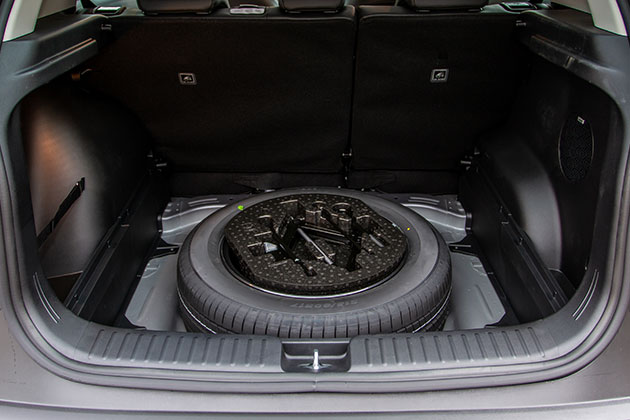
Towing Capacity of the Dodge Journey

Understanding Ford Stereo Wiring Color Codes

0

[ad_1]

In this article, we will explore the different wiring color codes for Ford stereo systems and how you can understand and work with them. Whether you are upgrading your stereo system or replacing a faulty one, knowing the color codes will help you make the right connections and enjoy high-quality audio in your Ford vehicle.

What are the standard Ford stereo wiring color codes?

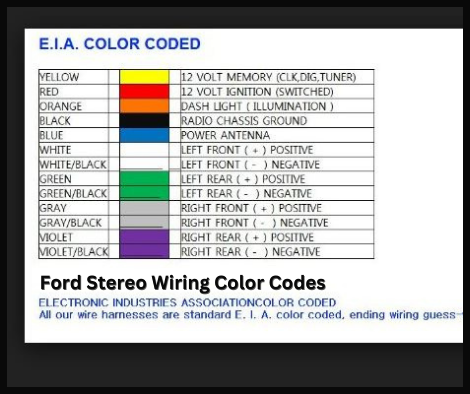
Standard Ford stereo wiring color codes include:

    • Yellow – constant power
    • Black – ground
    • Red – accessory power
    • Blue/White – amplifier remote turned on
    • White/White Black – front left speaker
    • Gray/Gray Black – front right speaker
    • Green/Green Black – rear left speaker
    • Purple/Purple Black – rear right speaker

Understanding these color codes will help you correctly connect your Ford stereo system without causing damage to the components.

Ford Stereo Wiring Color Codes

How do I identify the correct wires in my Ford vehicle?

Identifying the correct wires in your Ford vehicle can be done by using a wiring diagram specific to your vehicle’s make and model. This diagram can usually be found in the vehicle’s manual or obtained from the manufacturer. Additionally, using a multimeter to test the wires can help you verify their functions before making any connections.

It’s important to be cautious and patient when identifying wires, as incorrect connections can lead to malfunctioning stereo systems or even damage to the vehicle’s electrical system.

Are there any common mistakes to avoid when working with Ford stereo wiring color codes?

One common mistake to avoid when working with Ford stereo wiring color codes is assuming that the color codes are consistent across all Ford models. While there are standard color codes, variations may exist between different models and years. Cross-referencing the wiring diagram for your specific vehicle is crucial to avoid making errors.

Another mistake to avoid is cutting and splicing wires without properly insulating the connections. This can lead to short circuits and damage to the stereo system or the vehicle’s electrical system.

How can I use Ford stereo wiring color codes to install an aftermarket stereo system?

To install an aftermarket stereo system using Ford stereo wiring color codes, you can purchase a wiring harness adapter that connects directly to the vehicle’s existing wiring. The adapter will typically have labeled wires that correspond to the standard color codes, making it easier to match them to the wires on the aftermarket stereo.

Using a wiring harness adapter eliminates the need to cut or splice any of the vehicle’s original wiring, preserving the integrity of the electrical system and allowing for easy removal of the aftermarket stereo in the future.

Ford Stereo Wiring Color Codes

Conclusion

Understanding Ford stereo wiring color codes is essential for anyone looking to upgrade or replace their stereo systems in Ford vehicles. By familiarizing yourself with the standard color codes and using the appropriate wiring diagrams, you can confidently make the correct connections without risking damage to the vehicle or the stereo system.

FAQs

1. Can I use the same wiring color codes for all Ford models?

No, it’s important to refer to the specific wiring diagram for your vehicle to ensure accurate connections.

2. Will I need special tools to identify the correct wires in my Ford vehicle?

A multimeter and a wiring diagram specific to your vehicle’s make and model will help identify the correct wires.

3. Can I connect an aftermarket stereo system without using a wiring harness adapter?

While it’s possible, using a wiring harness adapter is highly recommended to avoid damaging the vehicle’s wiring and for ease of future removal.

4. Are there any safety precautions I should take when working with Ford stereo wiring color codes?

Avoid cutting and splicing wires without proper insulation to prevent short circuits and potential damage to the stereo or vehicle’s electrical system.

5. Where can I find the wiring diagram for my specific Ford vehicle?

The wiring diagram can usually be found in the vehicle’s manual or obtained from the manufacturer.


[ad_2]

Ford Stereo Wiring Color Codes

Tesla’s Autonomous Mode: A Crossword Clue Solution

0

[ad_1]

In this article, we will discuss the features and benefits of Tesla’s autonomous mode, commonly referred to as Autopilot. We will also cover how the technology works and its potential impact on the automotive industry.

What is Tesla’s Autopilot?

Tesla’s Autopilot is an advanced driver-assistance system that enables a Tesla vehicle to steer, accelerate, and brake automatically within its lane. The technology uses a combination of cameras, radar, ultrasonic sensors, and machine learning to interpret the vehicle’s surroundings and make driving decisions.

One of the key features of Autopilot is its ability to navigate highway driving, including lane changes and exits, without driver intervention. It also includes advanced safety features such as automatic emergency braking, collision avoidance, and blind-spot monitoring.

Tesla's Autonomous Mode

How Does Autopilot Work?

Tesla’s Autopilot uses a combination of sensor data and advanced algorithms to create a real-time picture of the vehicle’s environment. The system receives input from cameras, radar, and ultrasonic sensors, which are then processed by the onboard computer to make driving decisions.

The system is also capable of learning from its experiences, continually improving its performance through over-the-air software updates. This dynamic approach allows Autopilot to adapt to changing road conditions and improve its accuracy over time.

What are the Benefits of Autopilot?

One of the main benefits of Autopilot is enhanced safety. The system is designed to reduce the likelihood of accidents by providing a layer of protection against human error. It can also help in reducing driver fatigue on long journeys, as the system can take over some of the more routine driving tasks.

Another benefit is the convenience of automated driving. Autopilot can make driving easier and more enjoyable, especially in heavy traffic or on long stretches of highway. This can ultimately lead to a more relaxed and stress-free driving experience for Tesla owners.

What is the Impact of Autopilot on the Automotive Industry?

Tesla’s Autopilot has sparked a broader conversation about the future of autonomous driving and its potential impact on the automotive industry. As other car manufacturers develop their own autonomous technologies, the industry is moving towards a future where self-driving cars are commonplace.

Autonomous driving could also have broader implications for urban planning, public transportation, and the environment. It may lead to changes in the way we design and use roads, as well as reducing the overall number of vehicles on the road through shared autonomous transportation services.

Conclusion

Tesla’s Autopilot represents a major leap forward in the development of autonomous driving technologies. Its advanced features and potential impact on the automotive industry make it an exciting development for Tesla owners and the broader community. As the technology continues to evolve, it will be interesting to see how autonomous driving shapes the future of transportation.

Tesla's Autonomous Mode
HONG KONG, CHINA – 2021/12/05: Visitors are at the American electric company car Tesla Motors booth during the International Motor Expo (IMXHK) showcasing thermic and electric cars and motorcycles in Hong Kong. (Photo by Chukrut Budrul/SOPA Images/LightRocket via Getty Images)

FAQs

1. Is Autopilot the same as fully autonomous driving?

No, Autopilot is currently considered a Level 2 advanced driver-assistance system, which requires the driver to remain engaged and ready to take control of the vehicle at any time.

2. How does Autopilot handle unexpected situations on the road?

Autopilot uses a combination of sensor data and advanced algorithms to react to unexpected situations, such as obstacles in the road or sudden changes in traffic conditions.

3. Can Autopilot be used in all driving conditions?

No, Autopilot is currently designed for use on highways and limited-access roads. It may not be suitable for use in urban environments or on local roads.

4. How often does Tesla update its Autopilot software?

Tesla regularly provides over-the-air software updates to improve the performance and features of Autopilot. These updates ensure that the system continues to evolve and improve over time.

5. Is Autopilot legal in all countries?

The legality of using Autopilot varies by country and region. Tesla owners need to be aware of the relevant laws and regulations in their area before using Autopilot.


[ad_2]

Tesla’s Autonomous Mode

Lifted Dodge Ram 3500 Dually with Stacks: A Tough and Rugged Ride

0

[ad_1]

In this article, we will delve into the world of the Lifted Dodge Ram 3500 Dually with Stacks. We will explore its tough and rugged design, its powerful engine, and its impressive off-road capabilities. If you’re a fan of durable and reliable trucks, this article is for you!

What are the key features of the Lifted Dodge Ram 3500 Dually with Stacks?

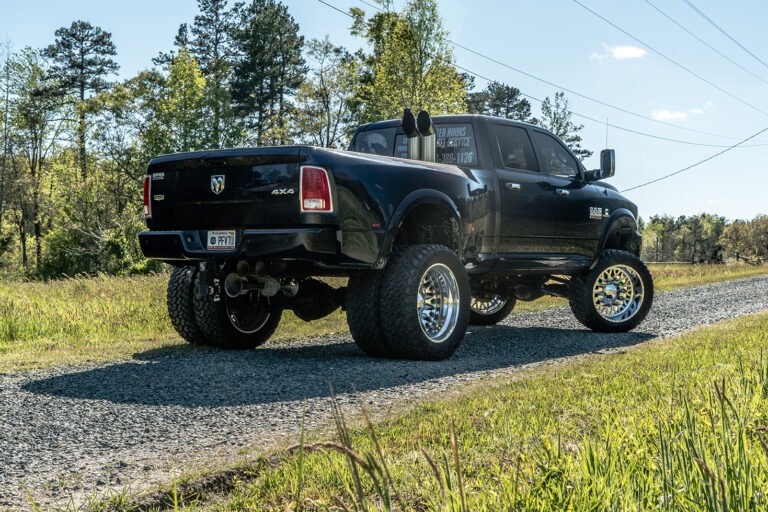
The Lifted Dodge Ram 3500 Dually with Stacks is a heavy-duty truck that is built for performance and durability. One of its key features is its lifted suspension, which provides increased ground clearance for off-road adventures. Additionally, it comes equipped with dual rear wheels, or “dual” configuration, which enhances its towing and hauling capabilities.

Another standout feature of this truck is the addition of stacks, which are vertical exhaust pipes that give it a rugged appearance and improve its overall performance. These features combined make the Lifted Dodge Ram 3500 Dually with Stacks a formidable presence on and off the road.

Lifted Dodge Ram 3500 Dually with Stacks

What sets the Lifted Dodge Ram 3500 Dually with Stacks apart from other trucks?

What sets the Lifted Dodge Ram 3500 Dually with Stacks apart from other trucks is its unique combination of power and style. The lifted suspension and dual rear wheels give it an imposing stance, while the addition of stacks adds a touch of aggression to its overall look. It’s a truck that demands attention and commands respect wherever it goes.

Furthermore, the Lifted Dodge Ram 3500 Dually with Stacks boasts a powerful engine, capable of producing impressive torque and horsepower. This makes it an ideal choice for those who require a reliable and capable truck for heavy-duty work or adventurous off-roading.

How does the Lifted Dodge Ram 3500 Dually with Stacks perform off-road?

The Lifted Dodge Ram 3500 Dually with Stacks is a beast when it comes to off-road performance. Its lifted suspension and dual rear wheels allow it to tackle uneven terrain with ease, while the added ground clearance ensures that it can overcome obstacles without breaking a sweat. Whether it’s crawling over rough trails or fording through shallow streams, this truck is built to handle it all.

Additionally, the inclusion of stacks not only enhances its performance but also gives it an advantage in off-road environments. The increased height of the exhaust pipes helps to keep them clear of dirt and debris, reducing the risk of damage during off-road excursions. With the Lifted Dodge Ram 3500 Dually with Stacks, you can confidently take on any off-road challenge.

What are the maintenance requirements for the Lifted Dodge Ram 3500 Dually with Stacks?

Due to its robust and rugged nature, the Lifted Dodge Ram 3500 Dually with Stacks requires regular maintenance to keep it in top condition. This includes routine inspections of the suspension, wheels, and exhaust system to ensure that everything is functioning as intended. It’s also important to stay on top of oil changes, filter replacements, and other standard maintenance tasks to keep the engine running smoothly.

Furthermore, given its off-road capabilities, it’s essential to clean and inspect the undercarriage after any particularly challenging off-road outings. This helps to prevent the build-up of dirt, mud, and debris, which can lead to corrosion or damage if left unchecked. By staying proactive with maintenance, you can ensure that your Lifted Dodge Ram 3500 Dually with Stacks remains a reliable companion for years to come.

Conclusion

IThe Lifted Dodge Ram 3500 Dually with Stacks is a formidable and rugged truck that offers exceptional performance both on and off the road. Its lifted suspension, dual rear wheels, and distinctive stacks make it a unique and attention-grabbing choice for those in need of a heavy-duty truck. With its powerful engine and impressive off-road capabilities, it’s a vehicle that’s built to handle the toughest challenges with ease.

Whether you’re tackling demanding work tasks or seeking adventure in the great outdoors, the Lifted Dodge Ram 3500 Dually with Stacks is more than up to the task. Its style, power, and capability makes it a standout option in the world of tough and rugged trucks.

Lifted Dodge Ram 3500 Dually with Stacks

FAQs

Q: Is the Lifted Dodge Ram 3500 Dually with Stacks suitable for everyday driving?

A: While the Lifted Dodge Ram 3500 Dually with Stacks is a powerful and capable truck, its size and raised suspension may make it less than ideal for everyday city driving. However, for those who value its off-road and heavy-duty capabilities, it can still serve as a reliable and distinctive daily driver.

Q: Can the Lifted Dodge Ram 3500 Dually with Stacks handle towing and hauling heavy loads?

A: Absolutely. The dual rear wheels and sturdy construction of the Lifted Dodge Ram 3500 Dually with Stacks make it an excellent choice for towing and hauling heavy loads. Whether it’s a trailer, equipment, or other sizable cargo, this truck is more than up to the task.

Q: Does the inclusion of stacks affect the performance of the Lifted Dodge Ram 3500 Dually?

A: The addition of stacks not only enhances the performance of the Lifted Dodge Ram 3500 Dually but also adds a unique visual element to its overall design. The vertical exhaust pipes improve airflow and reduce back pressure, resulting in a slight gain in horsepower and torque.

Q: What kind of terrain can the Lifted Dodge Ram 3500 Dually with Stacks handle?

A: Thanks to its lifted suspension, dual rear wheels, and rugged construction, the Lifted Dodge Ram 3500 Dually with Stacks is more than capable of handling a variety of terrains, including off-road trails, rocky surfaces, and muddy environments. It’s a versatile and dependable off-road performer.

Q: Are there any specific maintenance requirements for the stacks on the Lifted Dodge Ram 3500 Dually?

A: Given their height and position on the vehicle, the stacks on the Lifted Dodge Ram 3500 Dually may require occasional cleaning and inspection to ensure that they remain free from debris and corrosion. However, with regular maintenance, they should continue to provide top-notch performance and add to the rugged aesthetic of the truck.


[ad_2]

Lifted Dodge Ram 3500 Dually with Stacks

3 Inch Lift Kit for Dodge Dakota: What You Need to Know

0

[ad_1]

Welcome to our guide on 3 Inch Lift Kit for Dodge Dakota. In this article, we will discuss what you need to know about lift kits for your Dodge Dakota, including their benefits, installation process, and maintenance tips. If you are considering upgrading your vehicle with a lift kit, this article will provide you with the necessary information to make an informed decision.

What is a 3 3-inch lift Kit and Why Should I Consider It for my Dodge Dakota?

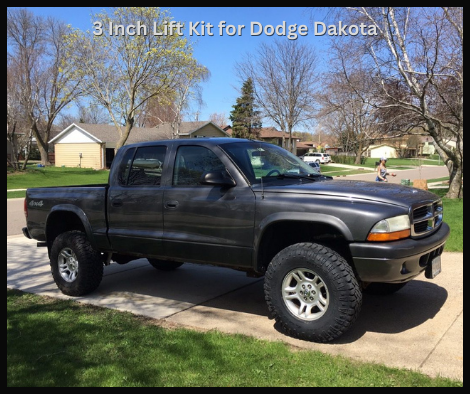
A 3-inch lift kit is a modification that raises the body of your Dodge Dakota to provide additional ground clearance. This allows for larger tires to be installed, improving off-road capabilities and giving your vehicle a more aggressive look. Lift kits are popular among truck enthusiasts who enjoy off-roading and want to customize the appearance of their vehicles. By installing a 3-inch lift kit, you can conquer rough terrain with ease and enhance the overall performance of your Dodge Dakota.

3 Inch Lift Kit for Dodge Dakota

How is a 3 Inch Lift Kit Installed and What are the Key Considerations?

When installing a 3-inch lift kit on your Dodge Dakota, it is essential to follow the manufacturer’s instructions carefully. The process typically involves lifting the body of the vehicle, installing spacers or new suspension components, and ensuring that everything is properly aligned. It is crucial to have the necessary tools and mechanical expertise to carry out the installation safely and effectively. Additionally, it is important to consider the impact of the lift kit on your vehicle’s handling and stability and to make any necessary adjustments to maintain optimal performance.

What are the Benefits of a 3-Inch Lift Kit for my Dodge Dakota?

One of the key benefits of installing a 3-inch lift kit on your Dodge Dakota is the increased ground clearance, allowing you to navigate through rough terrain without the risk of getting stuck or damaging the undercarriage of your vehicle. This is particularly advantageous for off-road enthusiasts who enjoy exploring challenging trails and rocky terrain. Additionally, the ability to install larger tires provides improved traction and a more commanding presence on the road. The lift kit also enhances the visual appeal of your Dodge Dakota, giving it a more rugged and aggressive stance.

How to Maintain a 3-Inch Lift Kit and Ensure Longevity?

Proper maintenance is essential to ensure the longevity and performance of your 3-inch lift kit for Dodge Dakota. It is important to regularly inspect the components of the lift kit, including the suspension, shocks, and alignment, to identify any signs of wear or damage. Routine cleaning and lubrication of the moving parts will help prevent corrosion and prolong the lifespan of the lift kit. Additionally, it is recommended to have a professional mechanic perform periodic maintenance and adjustments to ensure that the lift kit continues to operate safely and effectively.

3 Inch Lift Kit for Dodge Dakota

Conclusion

3-inch lift kits are a popular modification for Dodge Dakota owners looking to enhance the off-road capabilities and visual appeal of their vehicles. By understanding the installation process, benefits, and maintenance requirements of a lift kit, you can make an informed decision about whether it is the right upgrade for your Dodge Dakota. With proper installation and maintenance, a 3-inch lift kit can provide a significant improvement in performance and style for your vehicle.

FAQs

Q: Will installing a 3-inch lift kit void my warranty?

A: It is important to review the terms of your vehicle’s warranty to determine whether installing a lift kit will void the warranty. Some manufacturers may not cover certain components or issues related to modifications made to the vehicle.

Q: Can I install a 3-inch lift kit on my own?

A: While some experienced enthusiasts may have the knowledge and tools to install a lift kit on their own, it is recommended to have the installation performed by a professional mechanic to ensure safety and proper alignment.

Q: Will a 3-inch lift kit affect my Dodge Dakota’s fuel economy?

A: The installation of a lift kit can have a slight impact on fuel economy due to the additional weight and changes in aerodynamics. It is important to consider this factor when deciding to install a lift kit.

Q: Are there any legal considerations to keep in mind when installing a 3-inch lift kit?

A: Before installing a lift kit, it is important to review local regulations and laws regarding vehicle modifications to ensure compliance with height and safety standards.

Q: Can I still use my Dodge Dakota for daily driving with a 3-inch lift kit?

A: Yes, a 3-inch lift kit can be used for daily driving, but it is important to consider the impact on handling, stability, and fuel economy. Adequate adjustments and maintenance are essential to ensure safe and reliable daily use of the vehicle.


[ad_2]

3 Inch Lift Kit for Dodge Dakota

10 Cool Tesla Model 3 Wrap Ideas

0

[ad_1]

In this article, we will explore 10 unique wrap ideas for Tesla Model 3 cars. We will discuss the various design options and styles available, and how they can enhance the look of your Tesla Model 3. Whether you’re looking for a sleek, professional design or something more eye-catching and vibrant, there’s a wrap idea for every taste and preference. Let’s dive into the top 10 cool Tesla Model 3 wrap ideas!

What are the benefits of wrapping a Tesla Model 3?

Wrapping a Tesla Model 3 has several benefits. Firstly, it offers protection for the car’s paintwork, shielding it from scratches, dents, and fading caused by UV rays. Additionally, wraps can be easily removed, allowing for a change in design without affecting the original paintwork. Wrapping also provides a cost-effective alternative to a full paint job, and it allows for customization and personalization, making your Tesla Model 3 stand out on the road.

Moreover, wraps can be used to promote businesses, events, or causes, providing a mobile advertising platform. They also offer a level of creativity and artistic expression, allowing Tesla Model 3 owners to showcase their style and personality through their vehicle’s design.

10 Cool Tesla Model 3 Wrap Ideas

What are some popular Tesla Model 3 wrap ideas?

1. Matte Black: A classic and sophisticated option, matte black gives the Tesla Model 3 an elegant, understated look. It exudes professionalism and is a popular choice among luxury car owners.

2. Carbon Fiber: For a sporty and modern aesthetic, carbon fiber wraps provide a sleek and dynamic appearance. The textured finish adds depth and visual interest to the Tesla Model 3’s exterior.

3. Metallic Colors: Vibrant metallic wraps in shades such as silver, gold, or copper can make a bold statement and catch the eye. These flashy wraps are perfect for those who want to stand out on the road.

4. Color-Shift Wraps: With color-shift wraps, the Tesla Model 3 can change color and appearance depending on the angle and lighting. This option offers a unique and mesmerizing effect that turns heads wherever the car goes.

5. Graphic Designs: From geometric patterns to intricate illustrations, graphic designs allow for creativity and personalization. Whether you prefer a minimalist approach or something more avant-garde, the possibilities are endless.

How do I choose the right wrap for my Tesla Model 3?

When selecting a wrap for your Tesla Model 3, consider your personal style, the purpose of the wrap, and the overall aesthetic you want to achieve. If you’re using the car for business purposes, a design that incorporates branding and promotional elements may be more suitable. On the other hand, if you’re looking to add a touch of flair and individuality to your vehicle, opt for a wrap that reflects your personality and preferences.

It’s important to work with a reputable and experienced wrap installer who can provide samples and assist with the design selection process. They can also offer insights into the latest trends and styles, ensuring that your Tesla Model 3 wrap is both visually appealing and long-lasting.

Can I remove the wrap from my Tesla Model 3?

Yes, wraps can be easily removed from a Tesla Model 3 without causing damage to the original paintwork. This is one of the key advantages of using wraps, as it allows for flexibility and change. If you decide to update the design or revert to the car’s natural color, the wrap can be safely and professionally removed, leaving the paintwork in pristine condition.

10 Cool Tesla Model 3 Wrap Ideas

Conclusion

Wrapping a Tesla Model 3 offers a myriad of benefits, from protection and personalization to creativity and customization. With a wide range of design options available, there’s a wrap idea to suit every taste and preference. Whether you prefer a classic, sophisticated look or something more vibrant and eye-catching, wrapping your Tesla Model 3 allows you to make a statement on the road. It’s a cost-effective and versatile way to enhance the appearance of your car and showcase your style.

FAQs

1. Can I wash my Tesla Model 3 with a wrap?

Yes, wraps are designed to withstand regular washing and maintenance. However, it’s important to use non-abrasive cleaning agents and techniques to ensure that the wrap stays in optimal condition.

2. Will a wrap affect the resale value of my Tesla Model 3?

While some buyers may prefer the original paintwork, wraps can be removed without affecting the car’s resale value. In some cases, a well-maintained and visually appealing wrap can even enhance the appeal of a Tesla Model 3.

3. How long does a wrap typically last on a Tesla Model 3?

When properly cared for, wraps can last between 5 to 7 years. Factors such as sun exposure, weather conditions, and maintenance practices can influence the lifespan of a wrap.

4. Can I design my own custom wrap for my Tesla Model 3?

Yes, many wrap installers offer custom design services, allowing you to personalize the look of your Tesla Model 3 according to your preferences and specifications.

5. What should I consider when choosing a wrap installer for my Tesla Model 3?

Look for a reputable and experienced wrap installer with a portfolio of successful projects and positive customer reviews. It’s important to choose a professional who uses high-quality materials and has the expertise to deliver a flawless finish.


[ad_2]

10 Cool Tesla Model 3 Wrap Ideas

Unleashing the Tesla Coil’s Magic: The Power of Electrons

0

[ad_1]

Welcome to our article on the Tesla Coil’s magic and the power of electrons! In this article, we will explore the fascinating world of Tesla coils and their ability to generate and transmit high-voltage electricity. We will also delve into the science behind electrons and how they play a crucial role in the functioning of Tesla coils. Join us as we uncover the mysteries of this incredible technology and its impact on the world of electric power.

What is a Tesla Coil and How Does it Work?

A Tesla coil is an electrical resonant transformer circuit invented by Nikola Tesla in the late 19th century. It is used to produce high-voltage, low-current, high-frequency alternating-current electricity. The basic principle behind the Tesla coil is electromagnetic induction. The primary coil produces a magnetic field, which induces a high voltage in the secondary coil, creating a powerful electrical discharge in the form of electrical arcs and lightning-like effects.

The Tesla coil consists of a primary coil, a secondary coil, and a capacitor. When the high voltage from the power source is applied to the primary coil, it creates a rapidly oscillating magnetic field, which in turn induces a high voltage in the secondary coil. This high voltage can reach millions of volts, making the Tesla coil a powerful tool for various applications such as wireless transmission of electricity, medical devices, and entertainment.

Unleashing the Tesla Coil's Magic
Plasma globe decoration Tesla electric coil

What Role Do Electrons Play in Tesla Coils?

Electrons are fundamental particles that carry a negative electric charge. In the context of Tesla coils, electrons play a crucial role in the generation and transmission of high-voltage electricity. When the primary coil of the Tesla coil is energized, it creates a rapidly oscillating magnetic field, which causes the free electrons in the surrounding air to move back and forth at high speeds.

This movement of electrons generates a flow of electricity through the secondary coil, resulting in the production of high-voltage electrical discharges. The presence and movement of electrons are essential for the functioning of Tesla coils, as they are responsible for creating the intense electrical effects that are characteristic of Tesla coil operation.

What are the Applications of Tesla Coils?

Tesla coils have a wide range of applications, thanks to their ability to generate high-voltage electricity and produce spectacular electrical discharges. One of the most famous applications of Tesla coils is in entertainment, where they are used to create electrifying visual and audio effects in live performances and special events. The electrical discharges produced by Tesla coils can produce mesmerizing lightning-like displays that captivate audiences.

Additionally, Tesla coils have been used in scientific research, medical devices, and high-voltage testing. They have also been employed in wireless power transmission experiments, showcasing the potential for transmitting electricity wirelessly over long distances. The unique capabilities of Tesla coils make them a versatile tool in various fields of science and technology.

Unleashing the Tesla Coil's Magic

How Are Tesla Coils Related to Tesla Cars?

While Tesla coils and Tesla cars may seem unrelated at first glance, they are both part of the legacy of Nikola Tesla, the visionary scientist and inventor. Tesla coils represent one of Nikola Tesla’s most iconic inventions, demonstrating his groundbreaking work in the field of electrical power and high-voltage technology. On the other hand, Tesla cars, developed by Tesla, Inc., are a modern embodiment of Tesla’s vision for sustainable and efficient electric transportation.

Both the Tesla coil and Tesla cars are testimonies to the enduring impact of Nikola Tesla’s contributions to the world of electricity and technology. They serve as reminders of the potential for innovation and advancement in the realm of electric power and its applications in various domains.

Conclusion

In conclusion, the Tesla coil’s magic and the power of electrons are fascinating subjects that shed light on the remarkable capabilities of high-voltage electricity and its role in modern technology. From its invention by Nikola Tesla to its diverse applications in entertainment, science, and beyond, the Tesla coil continues to captivate and inspire enthusiasts and professionals alike. Understanding the role of electrons in the functioning of Tesla coils amplifies our appreciation for the wonders of electricity and the potential for innovation in the field of electrical power.

FAQs

1. Can Tesla coils be used for practical purposes?

While Tesla coils are primarily known for their entertainment value and as a scientific demonstration tool, they have been used for practical purposes such as medical devices, high voltage testing, and wireless power transmission experiments. However, their practical applications are limited compared to their use in entertainment and research.

2. Are Tesla coils dangerous?

Tesla coils can be dangerous due to their ability to produce high-voltage electrical discharges. It is important to handle Tesla coils with caution and follow proper safety protocols when operating them. Electrical safety measures should be observed to prevent the risk of electric shock or injury.

3. What is the connection between Nikola Tesla, Tesla coils, and Tesla cars?

Nikola Tesla, the inventor of the Tesla coil, is also the namesake of Tesla, Inc., the electric car manufacturer. While Tesla coils and Tesla cars serve different purposes, they both reflect Nikola Tesla’s contributions to the field of electricity and his vision for sustainable and efficient electric power.

4. Can Tesla coils transmit electricity wirelessly over long distances?

Tesla coils have been used in wireless power transmission experiments to showcase the potential for transmitting electricity wirelessly. However, the practical implementation of wireless power transmission on a large scale requires further technological development and infrastructure.

5. How do electrons contribute to the operation of Tesla coils?

Electrons play a crucial role in the generation and transmission of high-voltage electricity in Tesla coils. The movement of electrons in the presence of a rapidly oscillating magnetic field generates the electrical discharges that are characteristic of Tesla coil operation, demonstrating the fundamental role of electrons in the functioning of high-voltage electrical systems.


[ad_2]

Unleashing the Tesla Coil’s Magic

Everything You Need to Know About Tesla Model 3 Spare Tires

0

[ad_1]

Description:

In this article, we will discuss everything you need to know about Tesla Model 3 spare tires. From the types of spare tires available to how to properly use them, we will cover all the essential information you need to keep your Tesla Model 3 running smoothly in case of a flat tire or emergency.

What types of spare tires are available for the Tesla Model 3?

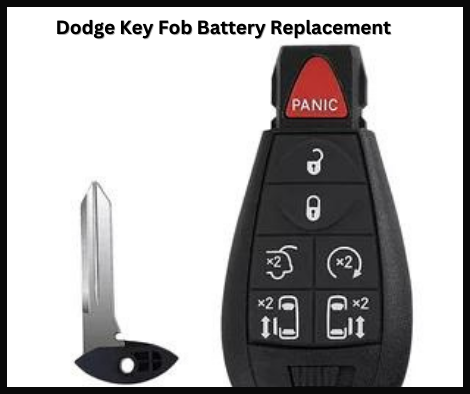
When it comes to spare tires for the Tesla Model 3, there are a few different options to consider. The first option is a full-size spare tire, which is essentially an extra tire that matches the size and specifications of the stock tires on your Tesla Model 3. This type of spare tire is ideal for long road trips or frequent driving in remote areas where help may not be readily available.

The second option is a compact spare tire, also known as a “donut” spare. This type of spare tire is smaller and lighter than a full-size spare tire, making it easier to store in your Tesla Model 3. However, compact spare tires are typically intended for temporary use only and may have speed or distance limitations.

Model 3 Spare Tires

How do I properly use a spare tire for my Tesla Model 3?

If you find yourself in need of a spare tire for your Tesla Model 3, it’s essential to know how to properly use it to ensure your safety and the longevity of your vehicle. First, consult your Tesla Model 3’s owner’s manual to locate the tire changing tools and instructions for accessing the spare tire.

Once you have the necessary tools and have safely pulled off to the side of the road, carefully jack up your Tesla Model 3 using the designated lifting points. Next, remove the flat tire and securely attach the spare tire to the wheel hub, making sure it is tightened properly. After the spare tire is in place, lower your Tesla Model 3 back to the ground and ensure the lug nuts are tightened to the recommended torque specifications.

Should I consider purchasing a spare tire for my Tesla Model 3 if it doesn’t come with one?

Most new Tesla Model 3s come equipped with a tire repair kit and a mobile tire service option, rather than a traditional spare tire. However, if you frequently travel in remote areas or prioritize the convenience and peace of mind of having a spare tire on hand, it may be worth considering purchasing a spare tire for your Tesla Model 3 separately.

While a tire repair kit and mobile tire service can be sufficient for most situations, having a spare tire readily available can be a valuable addition to your Tesla Model 3’s emergency preparedness kit.

How can I properly store a spare tire in my Tesla Model 3?

If you have decided to equip your Tesla Model 3 with a spare tire, it’s essential to know the proper way to store it for optimal safety and space efficiency. Depending on the size of the spare tire you choose, there are a few storage options to consider.

For a full-size spare tire, you may need to make modifications to the storage space in your Tesla Model 3, such as utilizing a cargo organizer or securing the spare tire in the trunk with bungee cords. As for a compact spare tire, it is often designed to fit in a designated location in your Tesla Model 3’s trunk or cargo area, ensuring it is readily accessible in case of a flat tire emergency.

Model 3 Spare Tires

Conclusion

When it comes to Tesla Model 3 spare tires, there are a variety of options to consider, including full-size and compact spare tires. Properly using and storing a spare tire can ensure your safety and preparedness in case of a flat tire emergency. Whether you choose to equip your Tesla Model 3 with a spare tire or rely on a tire repair kit and mobile tire service, being informed about your options is essential for a smooth driving experience.

FAQs

1. Can I use a compact spare tire as a long-term replacement for a flat tire on my Tesla Model 3?

No, compact spare tires are intended for temporary use only and should be replaced with a full-size tire as soon as possible. It is not recommended to drive long distances or at high speeds with a compact spare tire.

2. Will adding a spare tire to my Tesla Model 3 impact its performance or range?

Adding a spare tire to your Tesla Model 3 may slightly reduce its cargo space and add some extra weight, but it should not significantly impact the vehicle’s performance or range under normal driving conditions.

3. Can I use any spare tire for my Tesla Model 3, or does it need to be a specific type?

It is recommended to use a spare tire that matches the size and specifications of the stock tires on your Tesla Model 3 for optimal safety and performance. Consult your Tesla Model 3’s owner’s manual for specific spare tire recommendations.

4. Does Tesla offer a spare tire option for the Model 3 as an add-on accessory?

Tesla does not currently offer a spare tire option as a standard add-on accessory for the Model 3. However, spare tires can be purchased separately from third-party retailers or authorized Tesla service centers.

5. Can I use a spare tire for my Tesla Model 3 in conjunction with the mobile tire service option?

Yes, you can use a spare tire for your Tesla Model 3 in conjunction with the mobile tire service option, which provides on-site tire repair and replacement services. Having a spare tire on hand can be an additional safety measure in case of a flat tire emergency.


[ad_2]
Tesla Model 3 Spare Tires

Easy Steps for Dodge Key Fob Battery Replacement

0

[ad_1]

Easy steps for replacing the key fob battery in your Dodge vehicle. We will provide simple and clear instructions to help you through the process, ensuring that you can continue using your key fob without any issues. Whether you have a Dodge Charger, Challenger, or any other model, this guide will walk you through the process step by step.

How do I know when my Dodge key fob battery needs to be replaced?

If you notice that your Dodge Key Fob Battery is not working as it should, such as having to press the buttons multiple times for it to function, it could be a sign that the battery is running low. The key fob may also display a low battery notification on the vehicle’s dashboard. If you experience any of these issues, it’s time to replace the key fob battery.

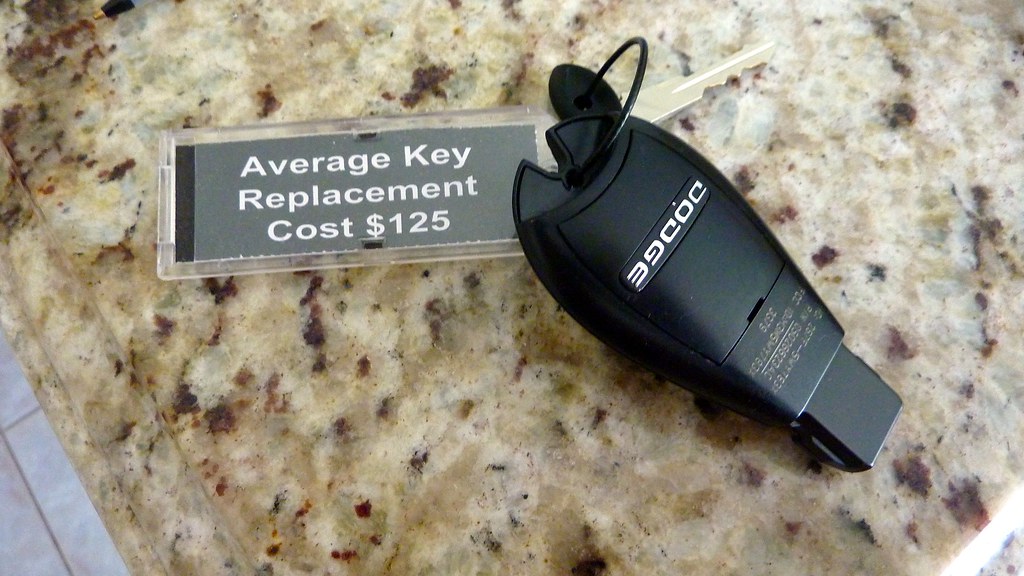
To begin the battery replacement process, you will first need to locate the small slot on the edge of the key fob. You can use a small screwdriver or a coin to gently pry open the key fob and access the battery compartment. Once the key fob is open, carefully remove the old battery from the compartment. Be sure to dispose of the old battery properly and avoid touching the new battery with your bare hands to prevent any oils or residue from affecting its performance. Insert the new battery into the compartment, ensuring that the positive and negative ends are aligned correctly. Finally, carefully snap the key fob back together, making sure that it is securely closed. Once the key fob is reassembled, test it to ensure that the new battery is working properly.

Dodge Key Fob Battery Replacement

What type of battery does my Dodge key fob use?

Dodge key fobs commonly use CR2032 lithium coin cell batteries. These batteries are widely available at most hardware stores and online retailers. When purchasing a replacement battery, be sure to check the specifications of your specific key fob model to ensure that you are getting the correct type of battery.

To begin the battery replacement process, you will first need to locate the small slot on the edge of the key fob. You can use a small screwdriver or a coin to gently pry open the key fob and access the battery compartment. Once the key fob is open, carefully remove the old battery from the compartment. Be sure to dispose of the old battery properly and avoid touching the new battery with your bare hands to prevent any oils or residue from affecting its performance. Insert the new battery into the compartment, ensuring that the positive and negative ends are aligned correctly. Finally, carefully snap the key fob back together, making sure that it is securely closed. Once the key fob is reassembled, test it to ensure that the new battery is working properly.

How long does a Dodge key fob battery last?

The lifespan of a Dodge key fob battery can vary depending on the frequency of use and other factors. On average, a key fob battery can last anywhere from 1 to 2 years. It’s important to keep an eye on the performance of your key fob and replace the battery as needed to avoid any inconvenience.

To begin the battery replacement process, you will first need to locate the small slot on the edge of the key fob. You can use a small screwdriver or a coin to gently pry open the key fob and access the battery compartment. Once the key fob is open, carefully remove the old battery from the compartment. Be sure to dispose of the old battery properly and avoid touching the new battery with your bare hands to prevent any oils or residue from affecting its performance. Insert the new battery into the compartment, ensuring that the positive and negative ends are aligned correctly. Finally, carefully snap the key fob back together, making sure that it is securely closed. Once the key fob is reassembled, test it to ensure that the new battery is working properly.

Dodge Key Fob Battery Replacement

Can I replace the Dodge key fob battery myself?

Yes, replacing the key fob battery is a straightforward process that can be done at home. With just a few basic tools and a replacement battery, you can easily replace the battery in your Dodge key fob in a matter of minutes. This can save you time and money compared to visiting a dealership or a locksmith to have the battery replaced.

To begin the battery replacement process, you will first need to locate the small slot on the edge of the key fob. You can use a small screwdriver or a coin to gently pry open the key fob and access the battery compartment. Once the key fob is open, carefully remove the old battery from the compartment. Be sure to dispose of the old battery properly and avoid touching the new battery with your bare hands to prevent any oils or residue from affecting its performance. Insert the new battery into the compartment, ensuring that the positive and negative ends are aligned correctly. Finally, carefully snap the key fob back together, making sure that it is securely closed. Once the key fob is reassembled, test it to ensure that the new battery is working properly.

Conclusion

Replacing the battery in your Dodge key fob is a simple task that you can easily do yourself. By following the steps outlined in this article, you can ensure that your key fob continues to function properly and avoid any inconvenience. Keep an eye on the performance of your key fob and replace the battery as needed to enjoy seamless operation.

FAQs

Is it necessary to use a specific type of battery for my Dodge key fob?

Yes, it’s important to use the correct type of battery for your specific key fob model to ensure proper functionality. Check the specifications of your key fob to determine the type of battery required.

Can I use a rechargeable battery for my Dodge key fob?

No, it’s not recommended to use a rechargeable battery for your key fob. Stick to the specific type of coin cell battery recommended for your key fob for optimal performance.

What should I do if my Dodge key fob is still not working after replacing the battery?

If your key fob is still not functioning properly after replacing the battery, it may be a sign of a different issue. In this case, it’s best to consult a professional for further assistance.

Are there any specific precautions I should take when replacing my Dodge key fob battery?

When handling the battery, be sure to avoid touching it with your bare hands to prevent any oils or residue from affecting its performance. Additionally, ensure that the key fob is securely closed after replacing the battery to avoid any damage.

How often should I replace the battery in my Dodge key fob?

The lifespan of the key fob battery can vary, but on average, it should be replaced every 1 to 2 years. Keep an eye on the performance of your key fob and replace the battery as needed to ensure smooth operation.

[ad_2]
Common Issues with the 2011 Honda CR-V

0

[ad_1]

Common issues and problems that the owners of the 2011 Honda CR-V may encounter. We will provide some possible solutions and tips on how to address these issues.

Is the 2011 Honda CR-V prone to transmission problems?

One common issue with the 2011 Honda CR-V is transmission problems. Many owners have reported issues with the transmission, such as rough shifting, slipping, and hesitation. This can be caused by a variety of factors, including low transmission fluid, worn-out clutch plates, or a faulty transmission control module. To address this issue, it is important to regularly check and maintain the transmission fluid levels, and have the transmission system inspected by a professional if you notice any unusual symptoms.

Are there any known electrical problems with the 2011 Honda CR-V?

Another common issue with the 2011 Honda CR-V is electrical problems. Some owners have experienced issues with the power windows, door locks, and the audio system. These problems can be caused by faulty wiring, blown fuses, or malfunctioning components. To troubleshoot and address electrical issues, it is important to check the fuses, inspect the wiring for any damage, and have the faulty components replaced by a qualified technician if necessary.

What are the common complaints about the air conditioning system in the 2011 Honda CR-V?

Many owners have also reported issues with the air conditioning system in the 2011 Honda CR-V. Common complaints include the air conditioning not cooling properly, strange noises coming from the HVAC system, and the compressor failing prematurely. These problems can be caused by refrigerant leaks, worn-out compressor components, or electrical issues. To address air conditioning problems, it is important to have the system inspected by a professional, check for refrigerant leaks, and perform regular maintenance to ensure optimal performance.

Common Issues with the 2011 Honda CR-V

What are the common issues with the braking system in the 2011 Honda CR-V?

Some owners have also reported issues with the braking system in the 2011 Honda CR-V. Common complaints include squeaking or grinding noises when applying the brakes, vibration or pulsation in the brake pedal, and reduced braking performance. These issues can be caused by worn-out brake pads, warped brake rotors, or malfunctioning brake calipers. To address braking system problems, it is important to have the brake system inspected and serviced by a qualified technician and have the brake pads and rotors replaced if necessary.

Is the 2011 Honda CR-V known for any specific engine problems?

Lastly, some owners have reported specific engine problems with the 2011 Honda CR-V. Common complaints include excessive oil consumption, engine misfires, and loss of power. These issues can be caused by worn-out piston rings, faulty ignition components, or a malfunctioning variable valve timing (VVT) system. To address engine problems, it is important to regularly check and maintain the engine oil levels, replace worn-out components, and have the engine system inspected by a professional if you notice any unusual symptoms.

Common Issues with the 2011 Honda CR-V

Conclusion

In conclusion, the 2011 Honda CR-V may experience common issues such as transmission problems, electrical problems, air conditioning issues, braking system problems, and specific engine problems. It is important for owners to be aware of these issues and take proactive steps to maintain and address them to ensure the optimal performance and longevity of their vehicles.

FAQs

1. Are there any recalls for the 2011 Honda CR-V related to these issues?

As of now, there are no official recalls specifically related to these common issues with the 2011 Honda CR-V. However, it is always advisable to stay updated with the latest information from Honda regarding any potential recalls or service bulletins that may address these problems.

2. How frequently should I have my 2011 Honda CR-V inspected for these issues?

It is recommended to have your 2011 Honda CR-V inspected by a qualified technician on a regular basis, such as during routine maintenance intervals or whenever you notice any unusual symptoms related to the common issues discussed in this article.

3. What can I do to prevent these common issues from occurring in my 2011 Honda CR-V?

To prevent these common issues, it is important to perform regular maintenance, such as checking and replacing fluids, inspecting and replacing worn-out components, and addressing any symptoms or warning signs promptly to prevent further damage.

4. Can I address these common issues on my own, or do I need to bring my 2011 Honda CR-V to a professional technician?

While some basic maintenance tasks can be performed by vehicle owners, it is always advisable to have a qualified technician inspect and address these common issues with the 2011 Honda CR-V to ensure proper diagnosis and resolution of the problems.

5. Are there any aftermarket solutions that can help prevent or address these common issues in the 2011 Honda CR-V?

There may be aftermarket solutions available to address or prevent these common issues, such as upgraded components or performance parts. However, it is important to consult with a professional technician or research reputable aftermarket products before making any modifications to your vehicle.


[ad_2]
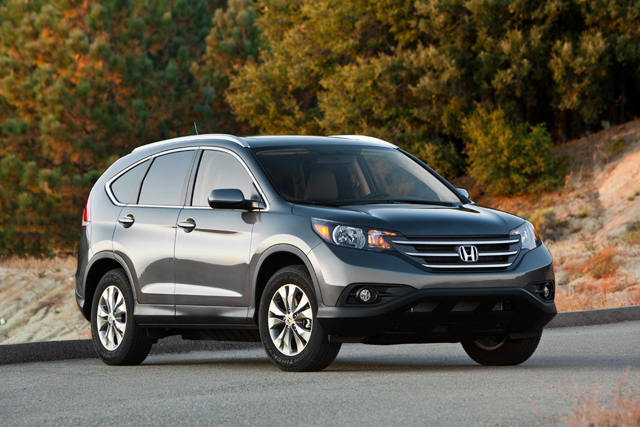
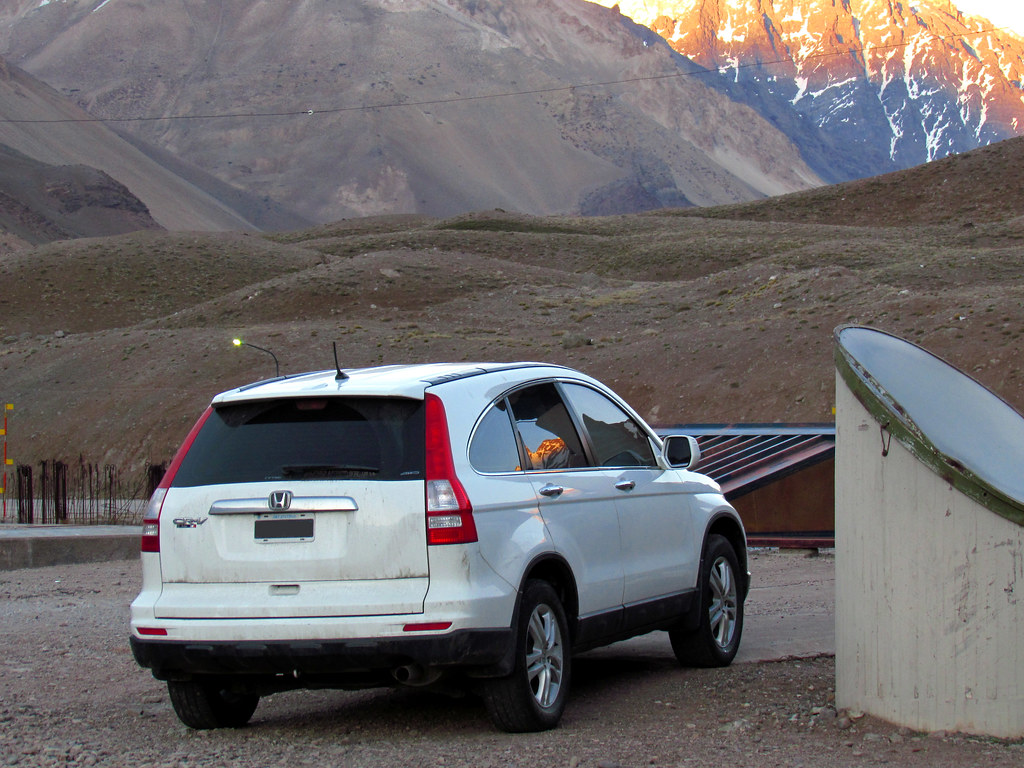
Common Issues with the 2011 Honda CR-V

Tesla Update 2022.44.30: What’s New?

0

[ad_1]

What are the new features in Tesla Update 2022.44.30?

The 2022.44.30 update brings several new features and improvements for Tesla vehicles. One of the key additions is the enhanced Autopilot functionality, which includes improved traffic-aware cruise control and auto-steer capabilities. This update also introduces new entertainment options, such as expanded streaming service support and enhanced gaming features. Additionally, there are new settings for climate control and driver assistance preferences, giving users more customization options for their driving experience.

Another notable feature included in this update is the improved voice command functionality, allowing drivers to control various vehicle functions using natural language commands. The update also includes bug fixes and performance improvements to enhance overall stability and user experience.

Tesla Update 2022.44.30

How will the new update enhance Autopilot functionality?

The 2022.44.30 update enhances Autopilot functionality by improving the vehicle’s ability to navigate through traffic and steer automatically. The improved traffic-aware cruise control feature allows the car to maintain a safe distance from surrounding vehicles and adjust its speed accordingly, providing a smoother and more efficient driving experience. The updated auto-steer capabilities enable the vehicle to better stay within lane markings and make more precise steering adjustments when navigating curves and turns.

These enhancements are designed to increase the confidence and performance of the Autopilot system, making it more reliable and capable of handling a wider range of driving scenarios. By improving these core Autopilot features, Tesla aims to provide a safer and more seamless driving experience for its customers.

What entertainment options are included in the 2022.44.30 update?

The latest Tesla update introduces new entertainment options, including expanded streaming service support and enhanced gaming features. With the 2022.44.30 update, Tesla vehicles gain access to additional streaming services, allowing passengers to enjoy a wider variety of multimedia content while on the road. This update also enhances the gaming experience by introducing new games and features, providing more entertainment options for both drivers and passengers.

These entertainment updates aim to further elevate the in-car experience, making Tesla vehicles more enjoyable and engaging for occupants. By expanding the availability of streaming services and improving gaming features, Tesla continues to differentiate its vehicles by offering cutting-edge entertainment functionality.

What settings for climate control and driver assistance are included in the new update?

The 2022.44.30 update introduces new settings for climate control and driver assistance preferences, giving users more customization options for their driving experience. With these new settings, Tesla owners can tailor the climate control system to their specific preferences, ensuring a comfortable interior environment at all times. Additionally, the update provides additional options for configuring driver assistance features, allowing users to fine-tune the vehicle’s driving aids to suit their individual preferences and driving styles.

By expanding the customization capabilities for climate control and driver assistance, Tesla aims to provide a more personalized and user-friendly experience for its customers. These new settings empower users to optimize their driving environment and overall driving experience, further enhancing the appeal and practicality of Tesla vehicles.

Tesla Update 2022.44.30

How does the improved voice command functionality work in the 2022.44.30 update?

The 2022.44.30 update includes improved voice command functionality, allowing drivers to control various vehicle functions using natural language commands. The enhanced voice control system enables users to interact with their Tesla vehicle more intuitively and efficiently, reducing the need for manual input and minimizing distractions while driving. By recognizing and interpreting natural language instructions, the updated voice command functionality offers a more seamless and convenient way to operate key vehicle features and settings.

With improved voice command capabilities, Tesla vehicles become more user-friendly and accessible, catering to a wider range of drivers and enhancing overall usability. This feature aims to streamline the user experience and make it easier for users to interact with their vehicles while on the go.

Conclusion

The 2022.44.30 Tesla software update brings significant enhancements to Autopilot functionality, entertainment options, climate control settings, driver assistance preferences, and voice command functionality. These new features and improvements contribute to a more capable, enjoyable, and personalized driving experience for Tesla vehicle owners, showcasing the company’s commitment to continuous innovation and customer satisfaction.

FAQs

1. Will the 2022.44.30 update be available for all Tesla vehicles?

Yes, the 2022.44.30 update will be available for all eligible Tesla vehicles, including Model S, Model 3, Model X, and Model Y. However, it’s important to note that certain features and improvements included in the update may vary depending on the vehicle model and its specific hardware capabilities.

2. Do the new entertainment options require a separate subscription or payment?

No, the new entertainment options introduced in the 2022.44.30 update are included as part of the vehicle’s existing software package and do not require an additional subscription or payment. However, access to specific streaming services may still be subject to individual subscription requirements and availability.

3. Can the improved voice command functionality understand multiple languages?

Yes, the improved voice command functionality in the 2022.44.30 update is designed to understand and process natural language commands in multiple languages, making it more versatile and accommodating for users around the world.

4. Will the new Autopilot enhancements work in all driving conditions?

The new Autopilot enhancements introduced in the 2022.44.30 update are designed to work in a wide range of driving conditions, including highways, suburban roads, and urban environments. However, drivers need to remain attentive and engaged while using Autopilot features, as they are not a substitute for responsible and vigilant driving.

5. How can I check if my Tesla vehicle is eligible for the 2022.44.30 update?

To check if your Tesla vehicle is eligible for the 2022.44.30 update, you can navigate to the “Software” section in your vehicle’s touchscreen display and check for available updates. If the update is available for your vehicle, you will be prompted to begin the installation process.


[ad_2]
Tesla Update 2022.44.30

Dodge Charger SXT: 0-60 in Seconds

0

[ad_1]

Dodge Charger SXT and its impressive 0-60 mph acceleration. In this article, we will delve into the specifics of the Dodge Charger SXT’s acceleration capabilities, discussing its performance, features, and specifications. We will also answer some frequently asked questions to give you a comprehensive understanding of this powerful car.

What is the 0-60 mph time for the Dodge Charger SXT?

The Dodge Charger SXT boasts an impressive 0-60 mph time of approximately 6 seconds. This rapid acceleration is achieved through the combination of a powerful engine, advanced transmission technology, and efficient drivetrain systems.

With its 3.6-liter V6 engine producing 292 horsepower and 260 lb-ft of torque, the Dodge Charger SXT delivers exhilarating performance and lightning-fast acceleration. Whether you’re merging onto the highway or simply enjoying a spirited drive, the Charger SXT’s impressive 0-60 mph time ensures that you’ll always have the power you need at your fingertips.

Dodge Charger SXT: 0-60 in Seconds

What contributes to the Dodge Charger SXT’s quick acceleration?

The Dodge Charger SXT’s rapid acceleration results from a combination of factors, including its powerful engine, advanced transmission, and responsive drivetrain. The 3.6-liter V6 Pentastar engine delivers an exceptional balance of power and efficiency, allowing the Charger SXT to accelerate from 0-60 mph with impressive speed and precision.

Furthermore, the Charger SXT‘s eight-speed automatic transmission is designed to optimize gear changes for maximum acceleration, ensuring that power is delivered to the wheels precisely when it’s needed. Additionally, the car’s rear-wheel drive system provides excellent traction and handling, allowing the Charger SXT to put its power to the pavement effectively in any driving situation.

What additional features of the Dodge Charger SXT enhance its performance?

In addition to its powerful engine and advanced transmission, the Dodge Charger SXT incorporates a range of features that contribute to its impressive performance. The car’s responsive steering and suspension systems provide precise handling and agile cornering, allowing drivers to push the Charger SXT to its limits with confidence.

Furthermore, the Charger SXT’s advanced braking system ensures that it can decelerate as impressively as it accelerates, with reliable stopping power and control. All of these features work in harmony to deliver a thrilling driving experience and make the Charger SXT’s acceleration capabilities truly stand out.

How does the Dodge Charger SXT compare to other vehicles in its class in terms of acceleration?

When compared to other vehicles in its class, the Dodge Charger SXT’s 0-60 mph time is certainly competitive, if not downright impressive. Its combination of robust engine performance, advanced transmission technology, and responsive drivetrain systems ensures that the Charger SXT can hold its own against other similarly priced and specced vehicles.

Furthermore, the Charger SXT’s acceleration capabilities are complemented by its spacious and comfortable interior, making it an attractive option for those seeking both performance and practicality in a car. For drivers looking for a powerful, capable sedan that can deliver adrenaline-pumping acceleration, the Dodge Charger SXT is a compelling choice.

Dodge Charger SXT: 0-60 in Seconds
On the drag strip, the 2023 Dodge Challenger SRT Demon 170 receives an NHRA violation letter for running a sub-nine-second quarter-mile without a safety cage or parachute, following in the footsteps of the original Demon, which was also banned from NHRA quarter miles.

Conclusion

In conclusion, the Dodge Charger SXT’s 0-60 mph time of approximately 6 seconds is a testament to its impressive performance and capabilities. With a powerful engine, advanced transmission, and a range of features designed to enhance its performance, the Charger SXT offers a thrilling driving experience and stands out among its peers in terms of acceleration.

FAQs

Is the Dodge Charger SXT suitable for everyday driving?

Yes, the Dodge Charger SXT is not only a high-performance sedan but also a practical option for daily driving. Its comfortable interior, spacious cabin, and advanced technology features make it a versatile and capable vehicle for day-to-day use.

Does the Dodge Charger SXT offer good fuel efficiency despite its impressive acceleration?

Yes, the Dodge Charger SXT’s V6 engine delivers a good balance of power and efficiency, allowing it to maintain respectable fuel economy even with its 0-60 mph acceleration capabilities.

What safety features does the Dodge Charger SXT include to complement its performance?

The Dodge Charger SXT is equipped with a range of advanced safety features, including traction control, electronic stability control, and an advanced airbag system, ensuring that it delivers both performance and peace of mind for drivers and passengers.

What are some additional performance-enhancing features of the Dodge Charger SXT?

The Dodge Charger SXT offers a range of performance-enhancing features, including sport-tuned suspension, performance brakes, and available performance-oriented packages that further elevate its driving dynamics and acceleration capabilities.

Is the Dodge Charger SXT a good option for enthusiasts seeking a high-performance sedan?

Absolutely, the Dodge Charger SXT’s combination of powerful performance, advanced technology, and thrilling driving dynamics make it a great choice for enthusiasts seeking an exhilarating and capable sedan.

[ad_2]
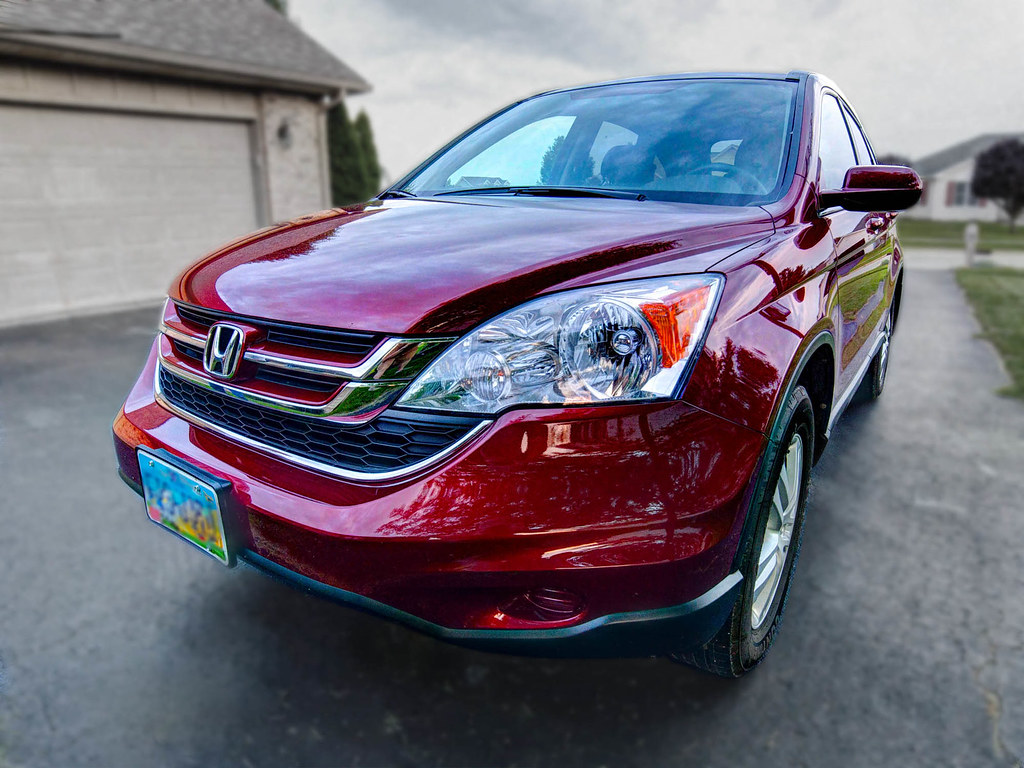
Everything You Need to Know About Tesla’s FSD Beta 10.69 3.1

0

[ad_1]

We will be discussing everything about Tesla’s Full Self-Driving (FSD) Beta 10.69 3.1. We will delve into the features, improvements, and advancements in the latest version, as well as its impact on Tesla cars and the future of autonomous driving. Whether you’re a Tesla owner, enthusiast, or simply curious about the advancements in self-driving technology, this article will provide you with all the essential information.

What is Tesla’s FSD Beta 10.69 3.1?

Tesla’s Full Self-Driving (FSD) Beta 10.69 3.1 is the latest version of their autonomous driving software. It is designed to enable Tesla vehicles to navigate and operate without human intervention in various driving scenarios. The FSD Beta 10.69 3.1 incorporates advanced artificial intelligence, machine learning, and real-time data processing to enhance the vehicle’s driving capabilities and decision-making processes.

This version of the FSD Beta includes significant improvements in object recognition, lane changing, traffic light and stop sign recognition, as well as overall driving performance. Tesla aims to continuously refine and upgrade the FSD Beta to achieve higher levels of autonomy and safety for their vehicles.

Everything You Need to Know About Tesla's FSD Beta 10.69 3.1

Key Features of FSD Beta 10.69 3.1

The FSD Beta 10.69 3.1 introduces several key features that enhance the vehicle’s autonomous driving capabilities. One of the notable advancements is the improved object recognition system, which allows the vehicle to accurately identify and respond to various objects and obstacles on the road.

Moreover, the updated lane-changing and merging algorithms enable the vehicle to navigate complex traffic scenarios with greater precision and confidence. Additionally, the software’s enhanced traffic light and stop sign recognition further improves the vehicle’s ability to obey traffic regulations and make safe driving decisions.

Impact on Tesla Cars

The release of FSD Beta 10.69 3.1 has a significant impact on Tesla cars, as it elevates their autonomous driving capabilities to a new level. With the implementation of advanced features and performance improvements, Tesla vehicles equipped with the FSD Beta become more adept at navigating challenging driving conditions and interacting with other road users.

Furthermore, the continuous development of the FSD Beta reaffirms Tesla’s commitment to creating a safer and more efficient driving experience for its customers. As the software evolves, Tesla owners can expect further enhancements that enhance the overall autonomy and intelligence of their vehicles.

Future of Autonomous Driving

The advancements in Tesla’s FSD Beta 10.69 3.1 represent a significant step forward in the evolution of autonomous driving. As the technology continues to mature and expand, it has the potential to revolutionize the automotive industry and redefine the concept of personal transportation.

Moreover, Tesla’s relentless pursuit of autonomous driving innovation paves the way for a future where self-driving vehicles are seamlessly integrated into our daily lives, offering increased safety, efficiency, and accessibility on the roads. The FSD Beta 10.69 3.1 serves as a testament to the ongoing progress towards fully autonomous vehicles and the transformative impact it will have on the way we travel.

][Everything You Need to Know About Tesla's FSD Beta 10.69 3.1

Conclusion

In conclusion, Tesla’s FSD Beta 10.69 3.1 represents a significant milestone in the development of autonomous driving technology. Its advanced features and performance improvements have a profound impact on Tesla cars, as well as the future of autonomous driving. As technology continues to evolve, we can anticipate further advancements that will shape the way we perceive and interact with vehicles on the road.

FAQs

1. How does FSD Beta 10.69 3.1 improve object recognition?

The FSD Beta 10.69 3.1 utilizes advanced artificial intelligence and machine learning algorithms to enhance object recognition capabilities. The software can accurately identify and react to various objects and obstacles on the road, increasing the vehicle’s safety and autonomy.

2. What are the key enhancements in traffic light and stop sign recognition?

The FSD Beta 10.69 3.1 incorporates improved traffic light and stop sign recognition algorithms, enabling the vehicle to perceive and respond to traffic signals with greater accuracy and consistency.

3. How does FSD Beta 10.69 3.1 impact the driving experience for Tesla owners?

Tesla owners equipped with the FSD Beta 10.69 3.1 experience an enhanced driving experience with improved autonomy and confidence in various driving scenarios. The software’s advancements elevate the overall driving performance and safety of Tesla cars.

4. What are the implications of FSD Beta 10.69 3.1 on the future of autonomous driving?

The FSD Beta 10.69 3.1 signifies a significant advancement in the journey toward fully autonomous vehicles. Its continued development and integration into Tesla cars foreshadow a future where autonomous driving technology becomes commonplace and reshapes the automotive industry.

5. When can Tesla owners expect further updates and enhancements to the FSD Beta?

Tesla continuously works on refining and upgrading the FSD Beta, and future updates are expected to be rolled out periodically. Owners can anticipate further advancements and improvements that will continue to elevate the autonomy and intelligence of their vehicles.

[ad_2]

The Worst Years for Dodge Challenger

0

[ad_1]

We will delve into the not-so-great years for the Dodge Challenger. The Dodge Challenger has had its fair share of ups and downs over the years, and in this piece, we will take a look at the worst years for this iconic car. We will discuss the specific models and years that had significant issues, the factors that contributed to these problems, and potential solutions for owners of these vehicles.

What were the worst years for the Dodge Challenger?

One of the worst years for the Dodge Challenger was 1974. This year saw a significant drop in performance and overall quality due to stricter emission standards and the oil crisis. The Challenger’s powerful V8 engines were detuned to meet these requirements, resulting in decreased horsepower and overall performance. Additionally, build quality suffered as the industry grappled with the impact of these changes. The 1980s also presented challenges for the Dodge Challenger, as it was temporarily discontinued in 1983 due to declining sales and shifting market demands. The reintroduction of the Challenger in the late 1980s saw lackluster performance and a lack of consumer interest, marking another low point for the model.

The Worst Years for Dodge Challenger

What were the main factors contributing to the issues in these years?

The main factors contributing to the Challenger’s woes during these years were external market forces and stricter regulations. The oil crisis of the 1970s forced automakers to rework their engine designs to meet emission standards and improve fuel efficiency. This led to compromises in performance and build quality, which affected the Challenger and other muscle cars of the era. Furthermore, shifting consumer preferences and competition from foreign manufacturers also played a role in the challenges faced by the Challenger in the 1980s.

What potential solutions are available for owners of Challengers from these years?

Owners of Dodge Challengers from the ’70s and ’80s can take several steps to address the issues from these years. For example, for those who own Challengers from the mid-’70s, investing in aftermarket performance upgrades and engine modifications can help restore lost power and improve the overall driving experience. Additionally, staying up to date with regular maintenance and repairs can help mitigate some of the build quality issues that arose during these years. As for the ’80s Challengers, owners can explore engine swaps or enhancements to improve performance or consider restoration projects to bring their vehicles back to their former glory.

What are the worst years for Dodge Challenger in recent times?

In recent years, the worst year for the Dodge Challenger was 2013. This year saw numerous reports of transmission issues, including rough shifting and slipping gears. Some owners also experienced electrical problems, particularly with the car’s power windows and locks. Additionally, the 2013 Challenger received lower reliability ratings compared to other model years, making it a challenging year for the iconic car.

The Worst Years for Dodge Challenger

Conclusion

While the Dodge Challenger has had its share of difficult years, it has remained a beloved and iconic car in the automotive world. From the challenges of the 1970s and ’80s to more recent issues, the Challenger has faced adversity but has persevered. For owners of Challengers from these challenging years, there are options available to address the issues and improve the driving experience. With proper care, maintenance, and potential upgrades, these cars can continue to be enjoyed for years to come.

FAQs

1. Are the issues from the worst years for the Dodge Challenger fixable?

Yes, the issues from the worst years for the Dodge Challenger are fixable. Owners can take various steps, such as investing in aftermarket performance upgrades, regular maintenance, and potentially restoration projects to address the issues and improve their driving experience.

2. How can owners address the transmission issues reported in recent years?

For owners experiencing transmission issues in recent years, it is recommended to seek professional diagnosis and repairs from certified mechanics. Some issues may be covered under warranty, and owners can also explore aftermarket transmission upgrades for a long-term solution.

3. What are some specific aftermarket upgrades available for owners of Challengers from challenging years?

Owners of Challengers from challenging years can explore aftermarket upgrades such as high-performance exhaust systems, upgraded engine components, suspension enhancements, and brake upgrades to improve the car’s performance and overall driving experience.

4. Are there any recalls for Dodge Challengers from the worst years?

There have been recalls for Dodge Challengers from various model years. Owners are encouraged to check the official website of the National Highway Traffic Safety Administration (NHTSA) for any recalls related to their specific vehicle.

5. Is it worth investing in a restoration project for a Challenger from a challenging year?

Investing in a restoration project for a Challenger from a challenging year can be rewarding for enthusiasts and collectors. However, it is essential to carefully assess the condition of the car, the costs involved, and the availability of parts before embarking on a restoration endeavor.

[ad_2]

Dodge Charger RT: Reaching Top Speed

0

[ad_1]
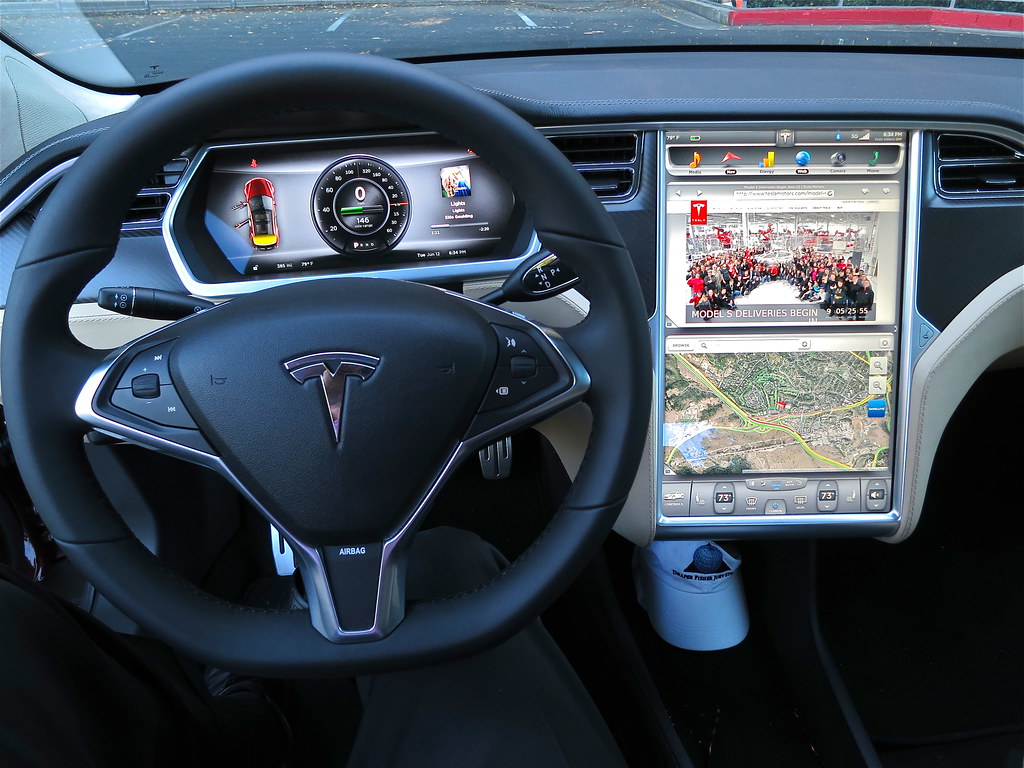
We will discuss the impressive performance of the Dodge Charger RT and how it can reach top speed. We will explore the powerful engine, aerodynamic design, and advanced technology that contribute to the Charger RT’s incredible speed. Additionally, we will provide tips for driving at top speed safely and responsibly. Whether you’re a Dodge enthusiast or simply curious about high-performance cars, this article is sure to provide valuable insights into the Dodge Charger RT’s capabilities.

What makes the Dodge Charger RT so fast?

The Dodge Charger RT is known for its impressive speed, thanks to its high-performance HEMI V8 engine. This engine delivers an exhilarating driving experience, with 370 horsepower and 395 lb-ft of torque, allowing the Charger RT to accelerate from 0 to 60 mph in just over 5 seconds. Additionally, the Charger RT features advanced aerodynamics that optimize airflow and reduce drag, further enhancing its speed capabilities. Furthermore, the car is equipped with a high-performance suspension system and responsive steering, providing exceptional handling at high speeds.

Moreover, the Charger RT utilizes advanced technology, such as launch control and traction control, to maximize acceleration and stability. These features work in conjunction with the engine and aerodynamics to ensure that the Charger RT delivers top-notch performance and speed.

Dodge Charger RT: Reaching Top Speed

How can I drive the Dodge Charger RT at top speed safely?

Driving the Dodge Charger RT at top speed requires skill, caution, and respect for traffic laws. Before attempting to reach top speed, ensure that you are on a clear, open road with no other vehicles or pedestrians in the vicinity. It is important to obey all speed limits and traffic regulations, as well as to be mindful of road conditions and weather factors that could affect your ability to maintain control of the vehicle.

Additionally, it is crucial to familiarize yourself with the Charger RT’s performance features, such as launch control and traction control, so that you can utilize them effectively while driving at high speeds. Always maintain a firm grip on the steering wheel, and do not engage in any distractions while driving at top speed. And most importantly, be mindful of your own limitations and ensure that you are in a proper state of mind and condition to handle the car’s speed capabilities.

What are the benefits of reaching top speed in the Dodge Charger RT?

Reaching top speed in the Dodge Charger RT can be an exhilarating experience for driving enthusiasts. It allows you to fully experience the car’s raw power and performance, delivering a thrilling adrenaline rush. Moreover, pushing the Charger RT to its limit can also help you appreciate the engineering and technology that have gone into its design, giving you a deeper understanding of the car’s capabilities.

Furthermore, the Charger RT’s speed and performance can be a valuable asset in certain driving situations, such as merging onto highways or passing slower vehicles with ease. It gives you a sense of confidence and control behind the wheel, knowing that you have the power and agility to maneuver through traffic swiftly and safely.

How does the Dodge Charger RT compare to other high-performance cars?

The Dodge Charger RT stands out among high-performance cars for its combination of speed, power, and practicality. While some high-performance cars may sacrifice comfort and practicality for speed, the Charger RT offers a spacious interior, comfortable seating, and advanced technology features, making it suitable for daily driving as well as exhilarating weekend adventures.

Additionally, the Charger RT’s price point makes it an attractive option for those seeking high performance without breaking the bank. With its impressive speed and handling capabilities, the Charger RT competes favorably with other high-performance cars in its class, offering a compelling combination of performance, value, and versatility.

Is the Dodge Charger RT suitable for everyday driving?

Yes, the Dodge Charger RT is well-suited for everyday driving, offering a comfortable and spacious interior, advanced technology, and a smooth ride. While it is capable of reaching top speed and delivering high-performance thrills, the Charger RT also excels as a reliable and practical daily driver. With its ample trunk space, comfortable seating for five, and user-friendly infotainment system, the Charger RT provides a well-rounded driving experience that is suitable for daily commuting and long road trips.

Furthermore, the Charger RT’s fuel efficiency, especially on the highway, makes it a practical choice for those who want a powerful car without compromising on everyday usability. Whether you’re navigating city streets or cruising on the open road, the Charger RT offers a versatile and enjoyable driving experience that is well-suited for everyday use.

Dodge Charger RT: Reaching Top Speed

Conclusion

The Dodge Charger RT is a high-performance car that excels in delivering top speed and adrenaline-pumping thrills. With its powerful engine, advanced aerodynamics, and cutting-edge technology, the Charger RT offers an exhilarating driving experience that is sure to impress enthusiasts and casual drivers alike. However, it is important to prioritize safety and responsibility when driving at top speed and to understand the car’s capabilities and features fully. The Dodge Charger RT’s formidable speed and performance make it a standout choice in the high-performance car market, offering a compelling blend of power, practicality, and value.

FAQs

Is the Dodge Charger RT a fuel-efficient car?

While the Charger RT’s focus is on high performance, it also offers respectable fuel efficiency, especially on the highway. Its fuel-efficient nature makes it suitable for everyday driving as well.

What safety features does the Dodge Charger RT have?

The Charger RT is equipped with a range of safety features, including advanced traction control, electronic stability control, and a suite of airbags. These features work together to enhance driver and passenger safety, even at high speeds.

Can the Dodge Charger RT be used for long road trips?

Absolutely. The Charger RT’s spacious interior, comfortable seating, and advanced technology features make it an ideal choice for long road trips, offering a smooth and enjoyable driving experience.

How does the Dodge Charger RT handle in different weather conditions?

The Charger RT’s responsive steering and advanced traction control system help it maintain excellent handling in various weather conditions, ensuring a confident and secure driving experience for the driver.

What sets the Dodge Charger RT apart from other high-performance cars?

The Charger RT distinguishes itself with its balance of high performance and everyday usability. Its spacious interior, advanced technology, and competitive price make it a standout choice in the high-performance car market.

[ad_2]

Understanding the Tire Size for the 2007 Honda Civic

0

[ad_1]

In this article, we will discuss the importance of understanding the tire size for the 2007 Honda Civic. We will break down the tire size specifications, why it’s important to choose the right size, and how to determine the correct tire size for your Honda Civic. Understanding the tire size is crucial for ensuring safety, performance, and overall vehicle functionality.

What tire sizes are compatible with the 2007 Honda Civic?

The 2007 Honda Civic typically comes with 15-inch wheels, and the tire size that is compatible with this vehicle is 195/65R15. The first number, 195, represents the tire width in millimeters. The second number, 65, represents the aspect ratio, which is the height of the tire sidewall as a percentage of the width. The “R” stands for radial construction, the standard type of tire construction used today. The final number, 15, indicates the diameter of the wheel in inches.

It’s essential to ensure that the replacement tires you choose have the same or similar specifications to the original tire size to maintain the vehicle’s intended performance and safety.

Understanding the Tire Size for the 2007 Honda Civic

Why is it important to choose the correct tire size for the 2007 Honda Civic?

Choosing the correct tire size is crucial for several reasons. First and foremost, the right tire size ensures safety on the road. Incorrect tire size can affect the handling, traction, and overall stability of the vehicle. It can also impact braking performance, especially in emergencies.

Additionally, the correct tire size ensures optimal fuel efficiency. When a tire is too large or too small for the vehicle, it can affect the rolling resistance, which in turn affects fuel consumption. Choosing the right tire size also influences the overall comfort and ride quality of the vehicle. Therefore, it’s essential to select the correct tire size to ensure the vehicle’s safety, performance, and efficiency.

How can I determine the correct tire size for my 2007 Honda Civic?

To determine the correct tire size for your 2007 Honda Civic, you can refer to the information provided in the owner’s manual or on the placard located on the driver’s side doorjamb. This information will specify the recommended tire size, inflation pressure, and load capacity for your vehicle. It’s important to adhere to these guidelines to ensure proper fitment and performance.

If you’re unsure or need assistance, you can also consult with a professional at a tire shop or the Honda dealership. They can provide expert advice and help you choose the correct tire size that best suits your driving needs and vehicle specifications.

What are the consequences of using the wrong tire size for the 2007 Honda Civic?

Using the wrong tire size for the 2007 Honda Civic can result in various consequences. It can lead to poor handling and stability, compromising the safety of the vehicle and its occupants. Incorrect tire size can also cause premature and uneven tire wear, leading to the need for early replacement.

Furthermore, the wrong tire size can impact the vehicle’s fuel efficiency, resulting in increased fuel consumption. It can also affect the accuracy of the speedometer and odometer readings, leading to potential legal and safety issues. Therefore, it’s crucial to avoid the consequences of using the wrong tire size by ensuring the proper fitment for your Honda Civic.

How often should I check the tire size and condition of my 2007 Honda Civic?

It’s important to check the tire size and condition of your 2007 Honda Civic regularly. This includes inspecting the tire pressure, tread depth, and overall tire condition at least once a month. Additionally, it’s recommended to have your tires rotated every 5,000 to 8,000 miles to promote even tire wear and prolong their lifespan.

Regular maintenance and inspection of your tires will help ensure the proper fitment and condition, promoting the safety, performance, and longevity of your 2007 Honda Civic.

Understanding the Tire Size for the 2007 Honda Civic

Conclusion

Understanding the tire size for the 2007 Honda Civic is vital for maintaining safety, performance, and efficiency. By choosing the correct tire size and regularly inspecting the condition of your tires, you can ensure the optimal functionality and longevity of your vehicle. Whether referring to the owner’s manual, consulting with professionals, or performing routine checks, it’s essential to prioritize the correct tire size for your Honda Civic.

FAQs

1. Can I use a different tire size than the recommended one for my 2007 Honda Civic?

It’s not advisable to use a different tire size than the recommended one for your 2007 Honda Civic. Using the wrong tire size can compromise the vehicle’s safety, performance, and overall functionality. It’s essential to adhere to the manufacturer’s specifications to ensure the proper fitment and performance of your vehicle.

2. How do I know when it’s time to replace the tires on my 2007 Honda Civic?

You should consider replacing the tires on your 2007 Honda Civic when the tread depth reaches 2/32 of an inch. Additionally, if you notice any signs of uneven or excessive wear, sidewall damage, or bulges, it’s crucial to have your tires inspected and potentially replaced by a professional. Regular tire maintenance is essential for ensuring the safety and performance of your vehicle.

3. Can I upgrade to a larger or smaller tire size for my 2007 Honda Civic?

It’s recommended to stick to the original tire size specified for your 2007 Honda Civic. Upgrading to a larger or smaller tire size can affect the vehicle’s handling, fuel efficiency, and overall performance. It’s important to consult with a professional to determine the best tire size that suits your driving needs and vehicle specifications.

4. What are the potential risks of driving with worn or underinflated tires on my 2007 Honda Civic?

Driving with worn or underinflated tires can increase the risk of tire blowouts, reduced traction, and compromised handling. It can also lead to decreased fuel efficiency and potential damage to the vehicle’s suspension components. Regularly checking and maintaining the condition and pressure of your tires is crucial for promoting safe and efficient driving.

5. How can I ensure the longevity of the tires on my 2007 Honda Civic?

To ensure the longevity of your tires, it’s essential to perform regular maintenance, including proper inflation, tire rotations, and alignments. Additionally, driving cautiously and avoiding harsh braking and acceleration can help prolong the lifespan of your tires. By prioritizing tire care and maintenance, you can maximize the durability and performance of your 2007 Honda Civic tires.

[ad_2]

Demystifying the Firing Order for 5.4 Ford Engines

0

[ad_1]

In this article, we will discuss the firing order for 5.4 Ford engines and help demystify this aspect of your vehicle’s operation. Whether you’re a DIY enthusiast or just curious about how your car works, understanding the firing order is a key component of engine knowledge. We’ll break down what the firing order is, why it’s important, and how to determine the firing order for your 5.4 Ford engine.

What is the firing order for a 5.4 Ford engine?

The firing order refers to the specific sequence in which the engine’s cylinders are fired by the spark plugs. In a 5.4 Ford engine, the firing order is 1-3-7-2-6-5-4-8. This means that the first cylinder to fire is the number 1 cylinder, followed by the number 3 cylinder, and so on until all eight cylinders have been fired. This sequence is crucial for the engine to operate smoothly and efficiently.

Understanding the firing order is important for various maintenance and diagnostic tasks related to your 5.4 Ford engine. It helps with troubleshooting engine performance issues, identifying cylinder misfires, and conducting routine maintenance tasks such as spark plug replacement and ignition system testing.

Demystifying the Firing Order for 5.4 Ford Engines

Why is the firing order important?

The firing order is critical for ensuring that the engine’s cylinders are fired in the correct sequence, which directly impacts the engine’s performance and efficiency. A proper firing order allows the engine to run smoothly, produce power efficiently, and minimize vibrations and noise. If the firing order is incorrect or disrupted in some way, it can lead to engine misfires, rough idling, and overall reduced performance.

Additionally, knowing the firing order is essential for performing maintenance and repairs on your 5.4 Ford engine. When replacing spark plugs or ignition coils, for example, it’s important to know the correct firing order to ensure that the engine operates as intended. Without this knowledge, you risk causing further issues or damage to the engine.

How do I determine the firing order for my 5.4 Ford engine?

Determining the firing order for your 5.4 Ford engine is relatively straightforward. You can refer to the engine’s specifications in the owner’s manual or service documentation for the precise firing order sequence. Additionally, many vehicles have the firing order information printed on the intake manifold or near the ignition coil pack.

If you’re unable to locate the firing order information, you can also consult with a qualified mechanic or automotive professional for assistance. They can use their expertise and resources to identify the correct firing order for your specific vehicle.

Demystifying the Firing Order for 5.4 Ford Engines

Conclusion

Understanding the firing order for your 5.4 Ford engine is an important aspect of maintaining and troubleshooting your vehicle. By knowing the correct firing order sequence, you can ensure that your engine runs smoothly, performs efficiently, and avoids potential issues related to misfires and performance degradation. Whether you’re performing routine maintenance or diagnosing engine problems, having a clear understanding of the firing order will serve you well as a vehicle owner.

FAQs

1. Why is the firing order different for each engine?

The firing order is determined by the engine’s design and configuration, and it can vary based on factors such as the number of cylinders and the engine’s layout. Different engine designs require different firing order sequences to operate effectively.

2. Can the firing order be changed or modified?

While it is technically possible to modify the firing order of an engine, it is not recommended unless you have a thorough understanding of engine mechanics and the potential implications of altering the firing order. For most vehicle owners, sticking to the manufacturer’s specified firing order is the best approach.

3. Should I check the firing order during routine maintenance?

Checking the firing order is not typically included in routine maintenance tasks unless you are experiencing engine performance issues or are replacing components such as spark plugs or ignition coils. In those cases, it’s important to verify the correct firing order to ensure proper engine operation.

4. What happens if the firing order is incorrect?

If the firing order is incorrect, it can lead to engine misfires, rough idling, reduced power, and overall poor performance. It’s important to address any issues related to the firing order promptly to prevent further damage to the engine.

5. Can I determine the firing order without professional help?

Yes, you can typically determine the firing order for your 5.4 Ford engine by referencing the owner’s manual, service documentation, or labels on the engine itself. If you’re unsure, it’s always best to seek help from a qualified mechanic or automotive professional.

[ad_2]