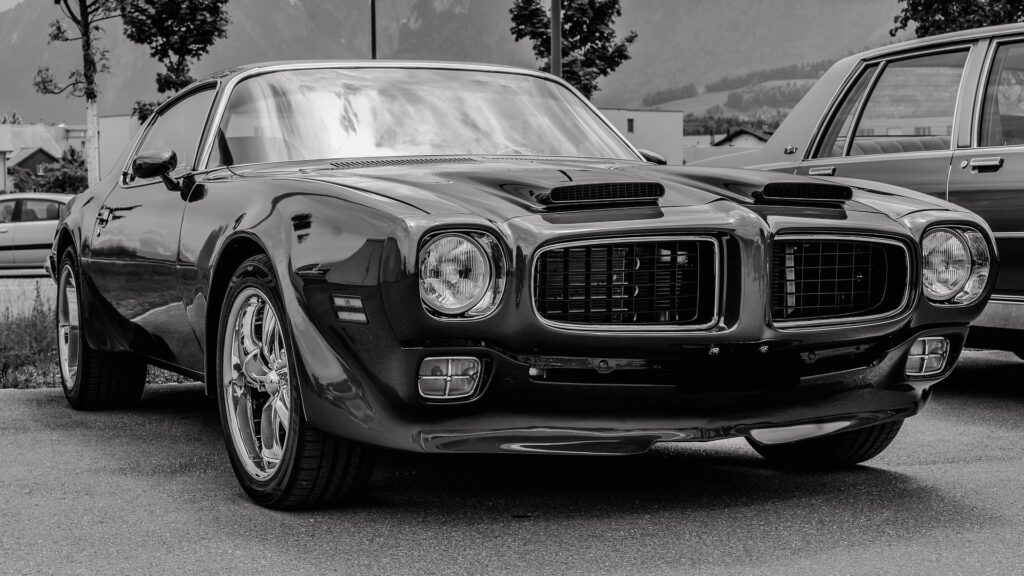
Do you ever hear of these 5 sports cars?

0

It’s remarkable to see so many small supercar and sportscar manufacturers emerge, all vying for a piece of the pie in a specialized market with a lot of money. Only a few make it long enough to build a client base (Pagani or Koenigsegg,) develop some sort of excitement, attract investment (Rimac,) or simply be spoken about (Lykan, Hennessey, or even Zenvo.) New supercar manufacturers appear to be sprouting up like mushrooms (and disappearing just as quickly), much more so than sports car manufacturers. In this regard, I was able to locate five intriguing sports vehicles that you have most likely never heard of. All of them are attempting (or have attempted) to elicit some form of evolution in this severely constrained market.

For all of them, the final aim is the same: to sell as many automobiles as possible while remaining profitable. Enter the realm of the extraordinary, brave, and occasionally rather inventive pieces of automotive aristocracy you’ve never heard of.

I’ll begin with a vehicle from Slovenia that was created in part by a racing car driver.

Auto racing, bull fighting, and mountain climbing are the only real sports… all the others are games.

– Ernest Hemingway –

sports cars

TUSHEK RENOVATIO T500

The Tushek Renovatio T500, based on a fairly good tubular chassis from the K1 Attack kit car, received complete track-focused modification from some of Slovenia’s most sophisticated automotive firms. 

Would you have guessed that Slovenia, a small European country, has anything to do with sports cars?

So there you have it. Aljosa Tushek, one of the country’s most well-known racing drivers, designed the Tushek Renovatio T500 sports vehicle (some could even call it a supercar) in 2012. It was his second effort to break into the track-focused sports car industry and design a vehicle that could be driven by both journalists and consumers. The Tushek Renovatio T500, based on a fairly good tubular chassis from the K1 Attack kit car, received complete track-focused modification from some of Slovenia’s most sophisticated automotive firms. Remember that the Akrapovic exhaust, as well as the firm that distributes Ferrari carbon fiber molded components and the company that manufactures Porsche brakes, are all from the nation.

sports cars
copyright @ autocar

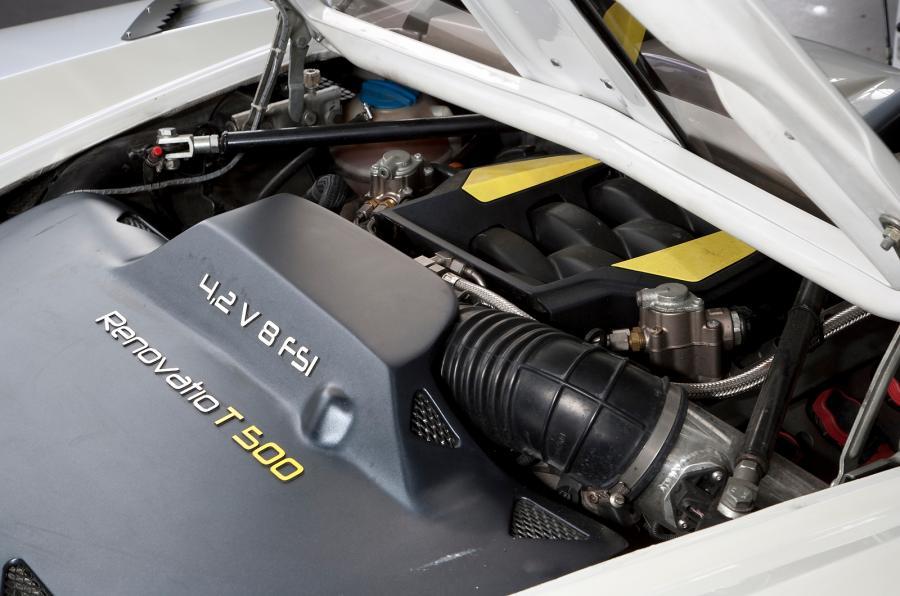
The Renovatio T500, it turns out, took something from each of them. The 4.2-liter V-8 engine utilized by Audi in the RS4 provided the inspiration for its sub-2,500-pound chassis. Later on, some automobiles even included the R8’s V-8 engine. Tushek desired dry sump lubrication, and that engine provided it. The Tushek Renovatio isn’t the most powerful of the bunch, but it has a few tricks under its sleeve. The Renovatio T500 is as focused as some of the greatest cars from bigger companies, with equipment like a Hewland sequential gearbox and some clever software wizardry to handle all the racing aspects of the car. I couldn’t locate a reliable source to establish how many vehicles Tushek really built, although there were some orders placed. This isn’t unexpected, given that the automobile the firm built isn’t as futuristic as some may believe. It will reportedly accelerate to 62 mph in 3.7 seconds, indicating that it does not intend to compete with the Ferrari 458 Italia or its clones. Originally, the firm was located in Graz, although production was done in Slovenia. The firm was rebranded Tushek & Spigel in 2014, with the release of the quicker, meaner, and even more track-focused TS600 with over 700 horsepower.
copyright @ autocar

MITSUOKA OROCHI

Nonetheless, the Mitsuoka was not a commercial success, and the firm only produced 400 units. 

The Mitsuoka Orochi may be the most cryptic of them all when it comes to obscurities. The car’s design dates back to 2001 in Japan, although it didn’t go into production until 2006. The media has not been kind when it comes to its design, yet one has to appreciate the creators’ sheer insanity and daring. In the realm of restricted sports vehicles, a mid-engine configuration with rear-wheel drive appears to be the standard. However, the Orochi truly stands out from the rest of the planet after that. The design is reminiscent of Mitsuoka’s past works. They’re recognized in Japan for making very complex, if not particularly attractive, body modifications for everyday automobiles and drivers. In this sense, Orochi (named after an eight-headed dragon from Japanese mythology) acquired a bizarre-looking front end that resembled a monster.

copyright@autoexpress

The backside isn’t much better. This automobile appears to have been created in clay, then someone came in and melted all of the clay, leaving the final design. Nonetheless, the Mitsuoka was not a commercial success; the firm only manufactured 400 units, but I doubt they sold that many between 2006 and 2014. 
copyright@autoexpress

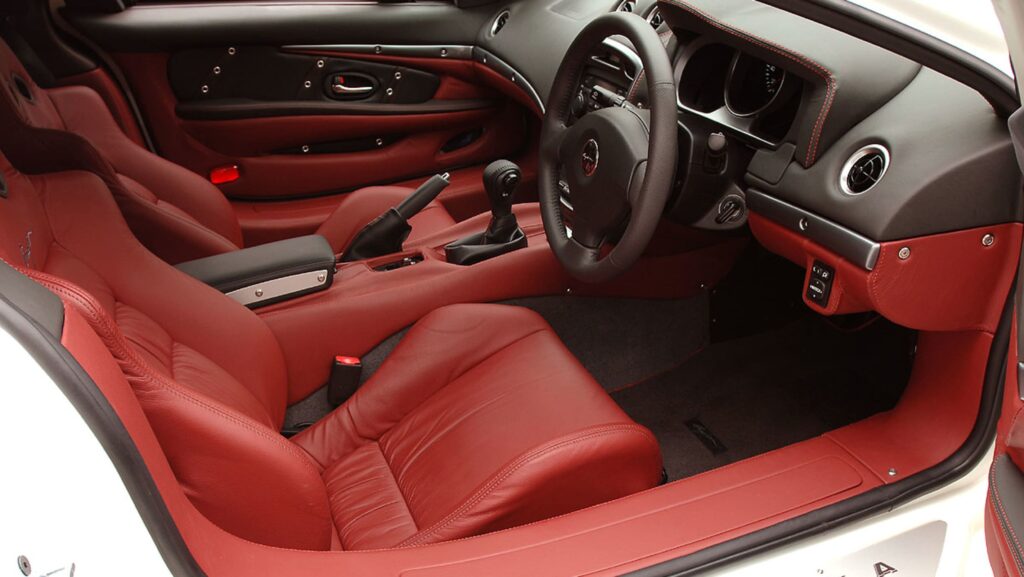
Mitsuoka’s sporty driving qualities would have been the most entertaining aspect. While not exactly supercar light, 3,400 lbs cannot be considered heavy. Mitsuka used a Toyota-sourced 3.3-liter V-6 with 230 horsepower in the back. Please don’t laugh. I understand that this is a poor figure by today’s (and even yesterday’s) standards, but the automobile wasn’t just about the numbers. It was all about obscurity and its odd appearance. Regrettably, this turned out to be its only genuine peculiarity. The V-6 was mated to a 5-speed manual gearbox. The Orochi Evangelion Edition marked the conclusion of production in 2014.

DAVID BROWN AUTOMOTIVE SPEED BACK GT

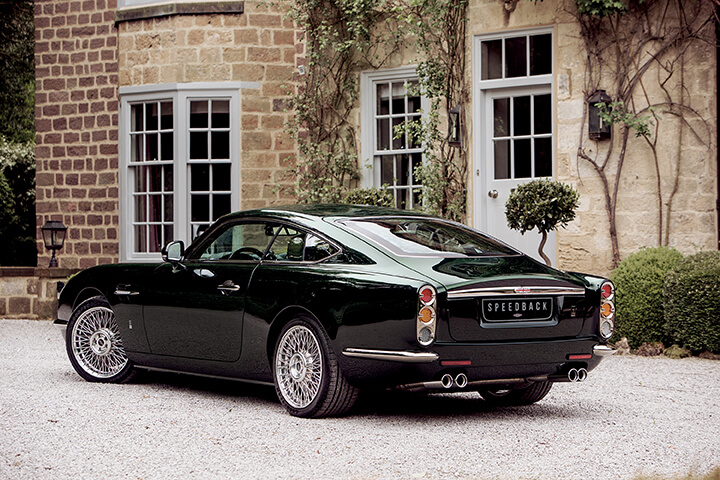
In order to pay homage to such vehicles’ elegance, exclusivity, and refinement, the Speedback GT was designed to resemble one of the greatest – the Aston Martin DB5. 

This vehicle resembles the Aston Martin DB vehicles of the past. Despite apparent stylistic inspirations from Aston Martin, the developer of the beautiful David Brown Automotive Speedback GT is emphatic that he does not want his cars linked with Aston Martin classics.

Nonetheless, the $700,000+ vehicle has a strong resemblance to current British sports cars. In truth, the Jaguar XKR s construction is hidden behind its customized appearance and luxurious cabin. The Jaguar XKR provides the drivetrain, suspension, and virtually all other components. However, this does not compromise the Speedback GT’s uniqueness. This automobile was designed by David Brown as a tribute to the earlier, more powerful cruisers with a presence. In order to pay homage to such vehicles’ elegance, exclusivity, and refinement, the Speedback GT was designed to resemble one of the greatest – the Aston Martin DB5.

Now that the XKR is no longer in production, one may wonder how this can be a long-term business. Before embarking on this journey, David Brown performed the deed and purchased a lot of XKRs.

copyright@davidbrownautomotive

“We bought a lot of XKs from Jaguar before they stopped making them. We also remove the worn elements, such as the panels and the interior, leaving only the rolling chassis, engine, and transmission. We have enough components to last us a while. In 2016, he told TopGear, “And if you know someone who wants a ‘fresh new’ XKR, I’m your guy…”

While the Speedback GT lacks cutting-edge technology or “out-of-this-world” propulsion, it makes a strong argument for itself with a customized appearance and a sumptuous interior of wood, metal, and leather. Infotainment? Definitely! It includes a 7.0-inch touchscreen with navigation, Bluetooth, USB connection, and a Bowers and Wilkins audio system, as well as a Bowers and Wilkins audio system. 
copyright@davidbrownautomotive

Check out these specs if you’re still not sure what makes it a sports car: 

Engine 5.0-liter V-8
Horsepower 503
0-to-62 mph 4.6 seconds
Transmission six-speed auto
Top Speed 155 mph

MARUSSIA B2

copyright@autoevolution

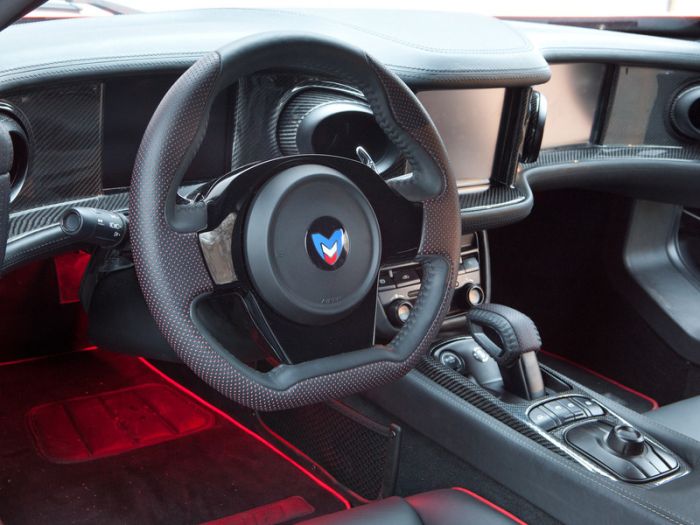
The Marussia B2 has a distinct look to it that isn’t found on other cars of its type. 

Russian supercars aren’t exactly well-known. Yet, in 2009, a Moscow-based firm unveiled the Marussia B1 and, shortly after, its sequel, the Marussia B2. I’m here to discuss the latter, as I feel it is a superior product altogether. Marussia, like virtually every other small-scale sports car or supercar manufacturer, outsourced its production to a third party. In this scenario, Valmet Automotive of Finland (the same firm that built the Fisker Karma) was in responsibility of producing 500 B2 vehicles. Sure, manufacturing of the vehicle, which was fairly priced at $130,460 in 2012, was capped. Marussia claimed to have worked on the car with a variety of high-end firms, including KW for suspension development and Cosworth for engine development.
copyright@autoevolution

“The B2 is an outward manifestation of our talents and ambitions. The B2 allows our designers and clients to explore their wilder side by using the same incredibly light and robust chassis construction paired with Marussia-Cosworth power units.” 

Although the Marussia B2 is obviously well-styled, it does have a distinct look about it that isn’t always linked with other comparable cars. It’s a purpose-built machine with improved track performance and a fun driving experience for drivers. All of this is made possible by the vehicle’s low weight of 2,425 pounds and 420 horsepower engine. The top-of-the-line 2.8-liter turbocharged engine, developed in collaboration with Cosworth, has a 0-62 mph time of 3.2 seconds and a peak speed of nearly 190 mph. The other variant, which costs around $130,000, is powered by a naturally aspirated 3.5-liter V-6 with 300 horsepower. Not at all shabby.

DC DESIGN AVANTI

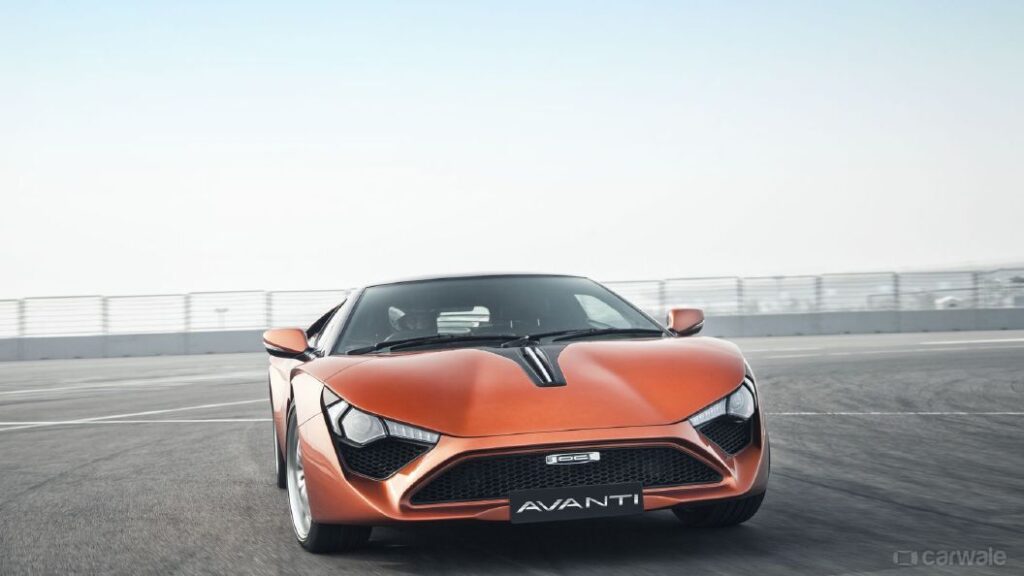
The mid-engined automobile had composite steel construction, a composite carbon body, and a 250-horsepower 2.0-liter I-4 turbocharged engine. 

Dillip Chhabria, the founder of DC Design, developed India’s first sports vehicle, the DC Design Avanti. DC Design, for the record, is a firm attempting to break into the world of coachbuilding, which is dominated by companies like Pininfarina, Bertone, and others. In that respect, designing a sports vehicle is simply the first step, and the Avanti (named after the Studebaker Avanti) was exactly that. The mid-engined automobile has a composite steel framework, a composite carbon body, and a 250-horsepower 2.0-liter I-4 turbocharged engine. The engine, in fact, comes from Renault Sport. Surprisingly, that was the first obstacle DC Design ran into, when Renault Sport refused to supply DC with engines.
copyright@carwale.com

Nonetheless, the Avanti’s design was influenced in part by some Ferrari cars, albeit the aesthetic elements are difficult to discern. The DC Design Avanti used a tube frame chassis, as do many small-scale sports cars, but it also included double wishbone suspension and 330mm AP Racing brakes. The Avanti isn’t a supercar with 250 horsepower and a weight of 3,443 pounds. Yes, it’s a sports car.

copyright@carwale.com

CONCLUSION

Each of the sports vehicles described here has its own distinct personality, which is generally linked with individuals who conceived them in the first place. 

Each of the sports vehicles described here has its own distinct personality, which is generally linked with individuals who conceived them in the first place. Sure, none of these ever went beyond a few manufacturing units, but for its inventors, each of them was and continues to be a “dream-come-true” experience. Who’d have guessed that a man from Slovenia could design a sports vehicle or that a man from India could approach Renault Sport and request an engine? Then there’s the Marussia B2, a Russian effort at sports vehicles that was really transferred from Moscow to Finland. 

Regardless of their difficulties or the cars’ actual usefulness, these five sports cars convey a tale about people who are passionate about automobiles. They were so enamored with one other that they were able to place their names in the spotlight.
8 of the Rarest American Muscles in the world

Do you love cars? Have you always wanted to explore more about America’s automotive past? If this is on your mind, then I’m sure you’ll be very interested in knowing what some of the rarest and fastest muscle cars that the United States has ever produced were.

There are a few things that can make a car truly special. One of those things is a rarity. The fewer units manufactured, or the harder it is to find one, means that demand will drive prices up well above what an entry-level model would normally be worth. As for American muscle cars, these are especially tough to find in good condition. Many of these cars were only produced for a short time, so the chance of finding one in good condition is even slimmer.

I’m not a feminist. I hail men, I love men. I celebrate American male culture, and beer, and bars and muscle cars
– Lady Gaga –

So without further ado, here’s a list of some of the rarest and fastest American muscle cars ever made.

Rarest American Muscles

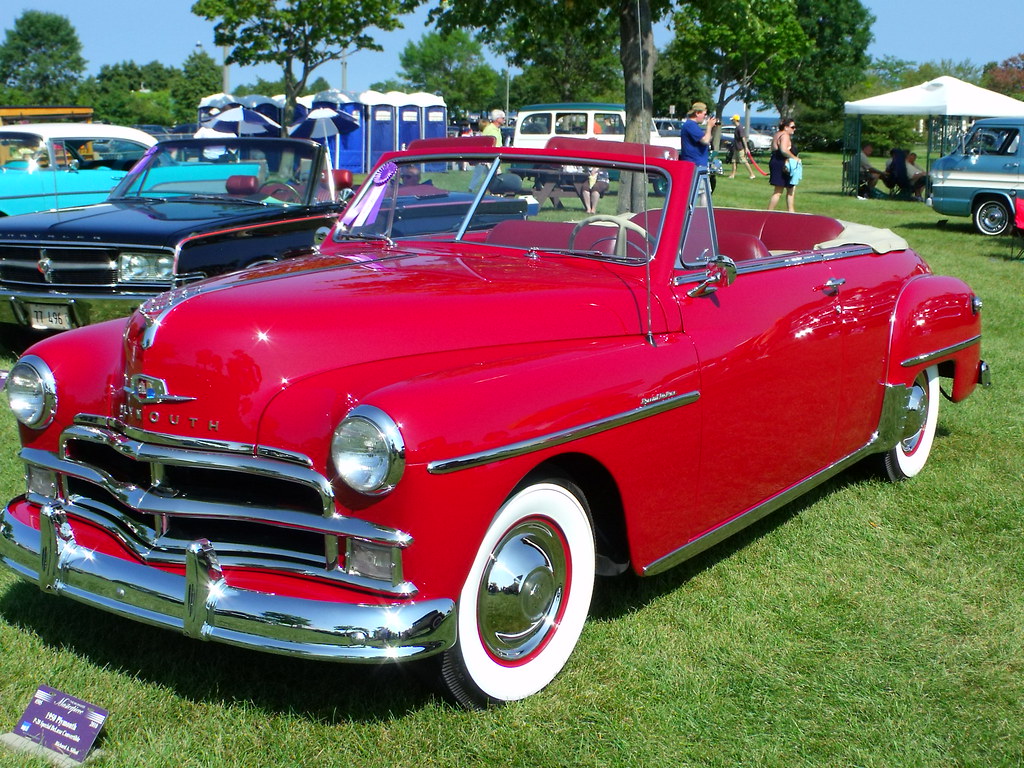
1. 1950 Plymouth Rebel Convertible – Fastback (Fury Road)

In 1950, the Plymouth Vehicle Division was tasked to build a coupe that would compete with other popular models such as Mercury and Ford. After considering many different ideas, Mayflower decided on building a fastback version of their people’s car (Rebel). This model was based on the same platform as the Plymouth Fury.

In order to provide a unique design, Plymouth produced the Rebel Convertible. This model was equipped with an innovative automatic transmission and V8 engine. In 1952, this model received a new hood and tail fins inspired by the 1949-1950 Lincoln Zephyr. As of today, only 959 of these models were made, with 50 of those being convertibles. It only takes $200k to buy one, which makes it more affordable than any other muscle car ever built in America. In terms of rarity, this car is at the top along with its brother model: the Plymouth Fury Street Hemi Convertible.

2. 1956 Chevy Bel Air – Fastback (Biscayne)

The Bel Air was a care package that the Chevrolet division of General Motors produced for the 1956 to 1958 model years. This coupe came equipped with the option of either a 150 horsepower or a 200 horsepower V8 engine. In 1957, this model was given an all-new nose, and it received hubcaps that featured a chrome center and white center circle. In total, there were only 2,977 cars produced, and of those, only 963 were fastback models. The remaining ones were wagon models.

Being one of the most expensive muscle cars ever built in America, you can see why it’s highly coveted. The average value of this car is $190k, which makes it one of the rarest muscle cars ever made.

3. 2nd Generation Pontiac GTO – Fastback (Trans Am)

The Motorama, which was a series of cars that were all designed within a period of 2 days, was released in July 1962, and it featured the newly designed Pontiac GTO. While the original GTO vehicles had been based on the Chevy Nova platform, this model received a completely new chassis. In addition to its wider stance and American-made V8 engine, this model also came with rear-wheel drive that gave it more power than models equipped with a manual transmission.

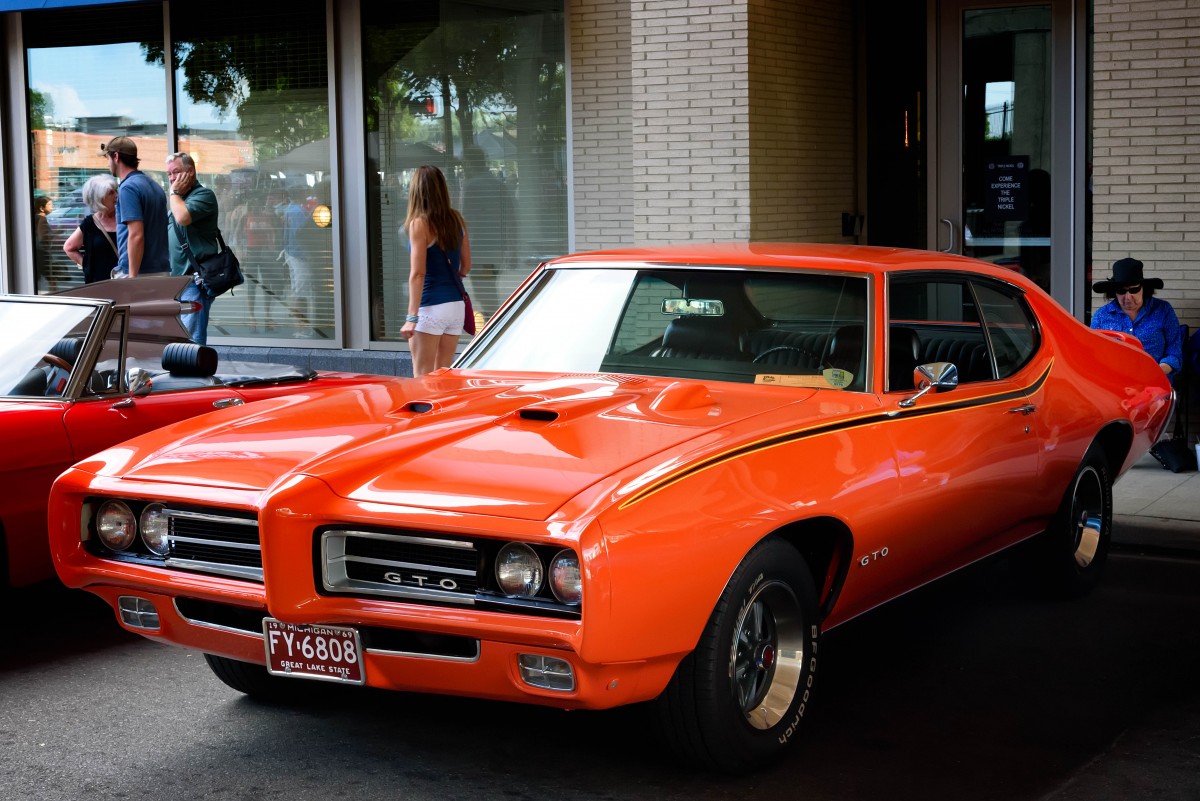
In total, there were only 2,248 models of the Pontiac GTO produced during its lifetime. All of this makes this model very rare and very desirable. In terms of value, it’s been estimated that one of these cars can sell for as much as $100k above the average price.

Pontiac GTO

4. 2nd Generation Pontiac LeMans – Fastback (Grand Prix)

The 1963 Pontiac LeMans was a fastback coupe that was equipped with a 220-horsepower V8 engine. It came equipped with disc brakes and fuel injection. This model received major updates from 1964 to 1966, such as new fenders and a new hood.

In total, 1,289 of these models were produced, and only 955 of those were fastback variants. If you can find one that’s in perfect condition, you’ll be able to get one for as much as $100k above the average price.

5. 1967-69 Pontiac Firebird – Fastback (Trans Am)

The Firebird was a coupe that the Pontiac division of GM produced for one or two model years in 1967 and 1968. The following year, this vehicle started being sold as a fastback version which included a more powerful version of the previously mentioned 220 horsepower V8 engine. In total, there were only 3,658 American muscle cars produced from 1967 to 1969. Only 2,363 (nearly 80%) were fastback models out of those. 

Being such a desirable model for car enthusiasts, you can see why this is one of the most expensive American muscle cars ever made. It’s been estimated that one of these cars will cost you as much as $200k.

Pontiac Firebird

6. 1970-1972 Plymouth Superbird – Fastback (Road Runner)

In 1970, Plymouth decided to give the Road Runner model a facelift by designing a new nose and adding spoilers on both sides of the car. In addition to many other updates, they also tweaked the original Hemi V8 engine so it could make 425 horsepower or 475 horsepower. In total, there were only 648 models produced from 1970 to 1972. Out of those, only about 300 units were fastback variants. This makes this model extremely rare and very valuable. It’s been estimated that one of these cars will cost you as much as $250k.

7. 1970 Plymouth Hemi ‘Cuda – Fastback (Duster)

In 1970, Plymouth introduced a new version of the Road Runner. The vehicle was given new headlights in the front, an all-new nose and back, and larger tires. In addition to many other changes, the original Hemi engine was tweaked so it could produce 425 horsepower. 

This model was sold until 1974, when it received another facelift with a new grill and wing in the back. Despite being sold for several years, this model was only produced for two years: 1970 and 1971. In total, only 2,825 models were built, and of those, only 1,507 were fastback variants. This is one of the most sought-after American muscle cars in terms of rarity. The average price for a Hemi ‘Cuda today is $200k.

8. 1971 Plymouth Duster – Fastback (Road Runner)

In 1971, Plymouth decided to give the Road Runner model a facelift by redesigning the front end and giving it a new grill with pointed headlights. In addition to many other changes, they also tweaked the original V8 engine so it could make 425 horsepower or 475 horsepower. In total, there were only 3,431 models produced from 1971 to 1974. Out of those, only 1,350 were fastback variants. Being such a desirable car, it’s no surprise that this is one of the most expensive muscle cars ever made. The average price for a Plymouth Road Runner today is $200k.

After reviewing all the models above, it’s pretty obvious why American muscle cars are so rare and Fastest. Of course, these aren’t all the expensive muscle cars ever made in America, but these are just some of the rarest and fastest ones that you can find for sale today due to their rarity and high price tags.

They may seem rarer now than they did in the ’70s and 80’s

0

In 2022, gas and diesel are expected to rise. As a result, the “muscle car” will be making a comeback as people try to save fuel costs by going faster and getting better mileage with these cars. They may seem rarer now than they did in the ’70s and 80’s when fuel prices were low. However, they’re still worth it if you want something that can really get up and go. Here are some things you need to know before buying your first muscle car in 2022:

1) Muscle cars were never really gone- they just went into secrecy over the years. The reasoning behind this was simple: in the ’70s and 80’s people didn’t care as much about performance. People were more concerned with looks and luxury. It was a different time, as gas was much cheaper and everyone had fewer expenses. However, in 2022, people are going to start caring again because of the price of gas.

2) Performance will always be important, but fuel efficiency will too because of how high gas prices will get. This means that the muscle car may become a higher-end item that sometimes costs more than your average new car. For example, if you want to buy a Ford Mustang Shelby GT 500 in 2022, it’s expected to cost over $72,900.

3) There will be other options, too, besides muscle cars like electric cars, hybrids, and self-driving cars. However, these are not expected to be able to rival muscle cars in power and speed or even on gas mileage. These might be the best option if you’re looking for something that can go as fast as a muscle car but doesn’t have quite as much power when compared to one. However, they’ll still need gasoline every now and then.

4) These cars will also be getting a lot of attention for their looks. They’ll be more about taking up the road, getting down the road, and cruising than they will on style. Many of them will look like modern American muscle cars but with a new look. It may be that these cars were never really gone, only in hiding.

5) For example, you may see these cars become more luxurious since people can now afford this type of car. They might have nice interiors as well as comfort features like heated seats and a nice cabin atmosphere. However, they’re going to remain fast and powerful.

6) New engine designs may be made for these cars to help them become even more powerful and faster. At this point, it’s too soon to tell what exactly engineers are going to decide on, but it could be that hybrid engines or diesel engines are going to be integrated into these new muscle cars. Polaris may even become the new engine of choice in these cars because of how much power they can produce.

7) You can customize your muscle car in 2022, or you could have one built from scratch by a company like Lincoln. In fact, you’ll have plenty of options as long as you’re willing to spend enough money. The most expensive muscle car in 2022 right now is probably the Ford Mustang Shelby GT 500. However, it’s expected to cost as much as a small home by this point.

8) The price of gas may be formidable, but it will be worth it if the muscle car can help you go faster and get better mileage. However, for people concerned with things like budgeting, electric cars are much more affordable than muscle cars. However, they’re still not as powerful or able to hold their own on the highway against a real muscle car like a Ford Mustang Shelby GT 500.

9) People who like to drive fast will find the muscle car a lot of fun by 2022. In fact, you’ll probably find that a lot of people are going to want the muscle car, and they’re going to wait until they can get one. This means that the muscle car will be in high demand around this time, especially among people who live in states where gas is expensive.

10) Many people may want to buy two cars- one electric and one high performance. They might wind up with two different types of cars because of how different they are in terms of price, performance, and even appeal.

11) Some people may not want to wait for this to happen. Instead, they’ll choose to buy a new car (a hybrid or an electric) and get used to the idea that there won’t be any more muscle cars in 2022. However, people who know their cars will probably still want one because they know that the muscle car may come back yet again.

12) You might see some older muscle cars being sold at a bargain price by 2022. These cars may have been parked away for many years and are then put up for sale as a result of low gas prices, and the economy is bad at this time. This will make them more affordable to the average person, and they’ll be worth buying because of the status of the muscle car in terms of performance, looks, and style.

13) It’s possible that these cars may become rarer because there won’t be a real demand for them by 2022. Instead, people will try to fix them up so they can still be used as they were intended to be. It’s also possible that you might buy an old muscle car at this point, but it might not really be usable at this time due to some mechanical issues or because it hasn’t been maintained well in the first place.

14) The future of muscle cars is going to depend on what engineers decide to do with these vehicles in terms of design and performance. They could be powered by gasoline, or they could be powered completely by electricity. They could also be hybrid vehicles, or fossil fuels could even power them in 2022.

15) The number of muscle cars on the road will depend on how many people see them as a necessity instead of as a luxury in their lives. It may take a while for them to either get used to the idea of buying an expensive muscle car or for their gas prices to rise so high that it’s impossible not to buy one.

16) The power and speed of your average muscle car are going to get even better over time due to new designs and new engine options. For example, it’s possible that gasoline-powered engines will be changed so they can get even better mileage as long as they are able to produce the power of a muscle car.

17) It also seems likely that sound systems in these cars will have to be improved at this point, or muscle cars won’t really be considered muscle cars anymore. They’ll be more like luxury cars on wheels, and that could change the entire dynamic of what these vehicles are about in the first place.

18) The basic design of your average muscle car is not going to change by 2022. However, you might see an increase in comfort features along with a lot of high-tech features that help vehicle owners make sure their engines run well.

19) Muscle cars might become more popular because they are more affordable than they’ve ever been before. Gas prices may be high, but they’re not going to cost as much as they’ll do so in 2022. This means that people will want to get new ones and use them instead of older ones since they’ll be less expensive.

20) Driving your muscle car has never been better because you can control your car with touch screens and by using other tech features as well. This means that you could get better gas mileage or even find a way to save money on gas in some cases if you use the proper driving method for your muscle car.

The Best Of 1960s and 1970s

I

n this article, the long-running discussion over the best Muscle Cars from the 1960s and 1970s comes to a close. Continue reading if you’re seeking for data-backed results on the top Muscle Cars from the 1960s and 1970s (rather than just my opinion like every other article on the internet),

Discover the full list of vintage American Muscle Cars that ruled the 1/4 mile charts year after year from 1964 to 1974. Let’s start with a definition of a muscle automobile if you’re unfamiliar.

The golden age of muscle cars lasted from 1964 to 1974, and that’s what we’ll be talking about in today’s article.

They say you only go around once, but with a muscle car you can go around two or three times

– Tim Allen –

What is a Muscle Car?

Muscle Cars were V-8-powered 2-door intermediate-sized automobiles created for straight-line performance in the quarter-mile by American automakers such as Chrysler, Ford, General Motors, and American Motos.

The 1964 Pontiac GTO was the first muscle car, capable of sub 14-second quarter-mile times right out of the box. A 389 CID V-8, three 2-bbl carburetors (“Tri-Power”), and a 4-speed manual transmission were the perfect combo.

Younger buyers were targeted for Muscle Cars, which had sticker costs in the $3,000 range and were devoid of creature comforts. Other features include front and rear seats, dual exhaust, rear-wheel drive (ideally with both wheels spinning), and a 4-barrel carburetor at a minimum.

What Are the Best Muscle Cars?

For the sake of this article, the best Muscle Cars are those that appeared in the top ten fastest muscle car rankings on many occasions between 1964 and 1974.

It doesn’t matter if a model featured numerous times in a single year or only once in a single year; what matters is the total number of times one specific model occurred over the course of this time period.

Given that these are the best of the best muscle car models, we’ll look at the top five outcomes based on that data to determine the winners.

Now that that’s out of the way, how about we take a look at the finest Muscle Cars from the 1960s and 1970s?

5th Place: The Plymouth Road Runner

From 1968 to 1974, the Plymouth Road Runner was ranked fifth on the top 10 quickest Muscle Cars lists 45 percent of the time.

In 1968, the Plymouth Road Runner was introduced as a low-cost, high-performance supercar aimed at youthful buyers with limited funds.

A stripped-down big block Road Runner that could run low 14-second quarter-mile passes out of the box could be had for less than $3,000.

Depending on the year, the Plymouth Roadrunner had a 340, 383, 440, 440 Six Pack, or 426 Hemi. The 440 Hemi with three 2v carburetors (dubbed the “Six Pack”) and the 426 Hemi with dual 4v carburetors were the two best performances.

The 440 Six Pack in a 1969 1/12 Plymouth Roadrunner, on the other hand, was the faster of the two engines.


Historical Performance Statistics

Year

Model

Engine

ET

Ranking

1969

Roadrunner

440 Six Pack

12.91

2nd

1969

Roadrunner

426 Hemi

13.32

6th

1970

Roadrunner

426 Hemi

13.34

3rd

1971

Roadrunner

440 Six Pack

13.71

6th

1971

Roadrunner

426 Hemi

13.50

3rd

4th Place: The Buick Gran Sport

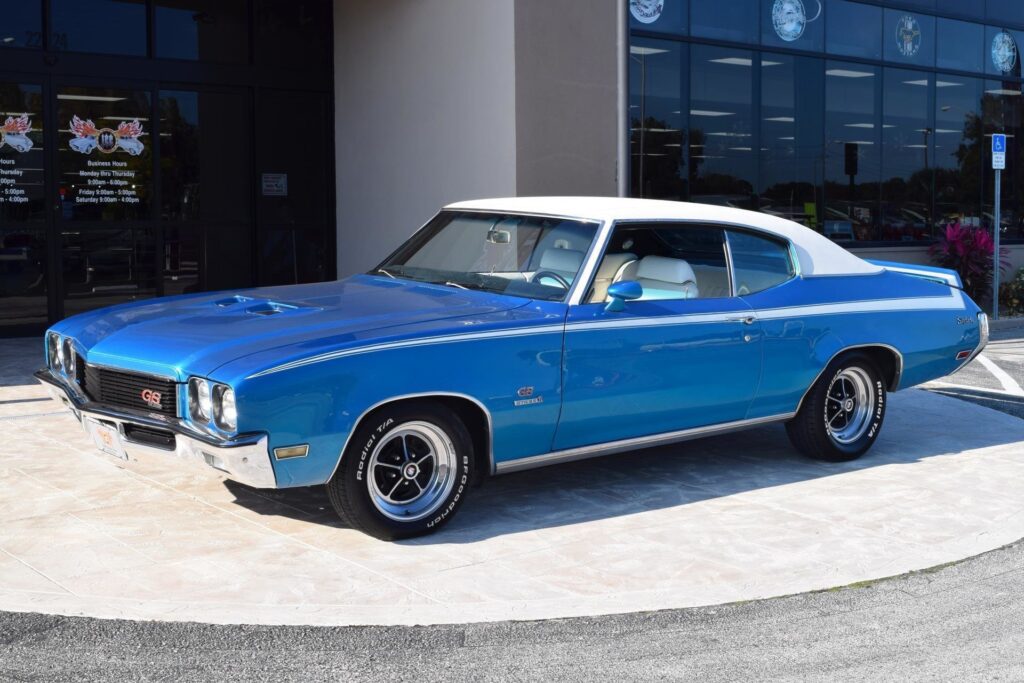
The Buick Gran Sport is ranked fourth, appearing on top 10 quickest Muscle Cars lists 55% of the time.

The Buick GS was a $200.53 option on the base Skylark chassis when it was introduced in 1965, and it cemented Buick’s place as a top-performing American vehicle during the 1960s and 1970s.

The Gran Sport gallantly entered as the fifth quickest muscle car of 1965 in its first year, with variable levels of quarter-mile success over the next nine years, with its 401 CID Wildcat 455 engine rated at 325 horsepower.

Over the years, the Buick GS was available with a 350, 400, 401, and 455 CID V-8 engine. The 455 Stage 1, which was available from 1970 to 1972, was the most powerful high-performance option.

The Buick GSX was Buick’s reaction to the Pontiac GTO Judge, and it featured multi-colored side stripes, ram air induction, a hood tachometer, a rear decklid spoiler, and GSX badges, among other features.

From 1970 to 1972, the GSX was available with a 350, 455, or 455 Stage 1 engine, depending on the year.

Historical Performance Statistics

Year

Model

Engine

ET

Ranking

1965

Buick GS

401

15.3

5th

1966

Buick GS

401

14.92

10th

1967

Buick GS

400

14.7

6th

1970

Buick GS

455 Stage 1

13.66

4th

1972

Buick GS

455 Stage 1

14.10

1st

1973

Buick GS

455 Stage 1

15.3

7th

3rd Place: The Ford Mustang

The Ford Mustang is ranked third, appearing on top 10 quickest Muscle Cars lists 64% of the time.

By launching the V-8-powered lightweight and small Mustang model halfway through the 1964 model year, Ford created a new sub-category of automobiles known as Pony Cars.

These sporty coupes sparked a revolution, selling 300,000 units in their first year alone and passing one million units after only two years.

The Ford Mustang was available in a variety of performance variants, including the 2+2, Mach 1, Cobra Jet, and Boss, all of which featured different high-performance engine options depending on the model year.

A 289 Hi-Po, Boss 302, 351-Cleveland, 351 HO, Boss 351, 428 Cobra Jet, 429 Super Cobra Jet, and Boss 429 were among the performance options available.

Historical Performance Statistics

Year

Model

Engine

ET

Ranking

1964

Coupe

289 Hi-Po

14.68

2nd

1965

2+2

289 Hi-Po

15.9

7th

1968

Cobra Jet

428 CJ

13.56

3rd

1969

Mach 1

428 CJ

13.69

10th

1971

Mach 1

429 SCJ

13.40

2nd

1971

Boss 351

351

13.50

4th

1972

Fastback

351 HO

15.1

6th

2nd Place: The Chevrolet Chevelle (3-Way Tie)

The Chevrolet Chevelle SS is placed second in a three-way tie with the Chevrolet Camaro and the Pontiac GTO, appearing on top 10 fastest Muscle Cars lists 73 percent of the time.

In 1964, the Chevrolet Chevelle SS was born with a 327 CID V-8 engine. It came standard with bucket seats, a four-gauge cluster, a center console, and SS wheel coverings and was available as a hardtop or convertible. A 4-speed Muncie transmission, heavy-duty suspension, and a positraction rear differential were also popular choices.

Over the years, the Chevelle SS had a variety of engine options, including the 327, 396, 402, and 454. The legendary LS6 454 CID V-8, rated at 450 horsepower and 500 ft-lb of torque, was the most powerful engine.

The LS6 not only produced the greatest horsepower and torque of any Chevelle, but it also had the quickest quarter-mile time. The LS6 454 made its debut in 1970, and it was offered as a Chevelle SS or El Camino SS.

Historical Performance Statistics

Year

Model

Engine

ET

Ranking

1964

Malibu SS

327

16.2

8th

1965

Malibu SS

396

14.6

2nd

1966

Malibu SS

396

14.42

8th

1967

Malibu SS

396

14.9

8th

1968

Chevelle SS

396

13.60

4th

1969

Yenko Chevelle SYC

427

13.31

5th

1970

Chevelle SS

454

13.12

2nd

1972

Chevelle SS

454

14.76

5th


2nd Place: The Chevrolet Camaro (3-Way Tie)

The Chevrolet Camaro is tied for second place with the Chevrolet Chevelle SS and the Pontiac GTO, and it appears on the top 10 fastest Muscle Cars lists 73 percent of the time.

After introducing the Malibu/Chevelle SS, Chevrolet continued to contribute to the muscle car craze. In response to Ford’s Mustang, Chevy introduced the lightweight, tiny Camaro in 1967 as its initial effort into the pony car market.

The factory offered various Camaro models, including the Z/28, Super Sport (SS), Rally Sport (RS), and COPO. The Z/28 was available with either a 302 or 350 CID V-8 engine, depending on the year. Over the years, the Super Sport was available with a variety of engines, including a 327, 350, or 396 CID V-8.

A 427 CID V-8 was offered from the factory through the Central Order Production Order (COPO) program. Chevy’s high-performance model Dealers like Don Yenko exploited the loophole, allowing his Yenko Camaro to obtain a 427 CID V-8 with 425 horsepower.The ZL-1 427 CID V-8 was a step up from the 427 CID V8 with aluminum block and heads, which produced 430 horsepower. In 1969, only 69 ZL-1 Camaros were produced, increasing $4,160 to the sticker price and bringing it closer to $7,300.

Historical Performance Statistics

Year

Model

Engine

ET

Ranking

1967

Z/28

302

14.9

7th

1968

Z/28

302

13.77

6th

1969

Yenko Camaro SYC

427

12.59

1st

1969

Copo

427

13.16

4th

1969

Super Sport

396

13.0

3rd

1972

Z/28

350

14.5

3rd

1973

Z/28

350

14.69

2nd

1974

Z/28

350

15.4

2nd


2nd Place: The Pontiac GTO (3-Way Tie)

The Pontiac GTO is considered the first muscle vehicle, and it inspired the rest of the list. The GTO, however, ranks in second position in a three-way tie with the Chevelle SS and Camaro, appearing on top 10 fastest Muscle Cars lists 73 percent of the time.

Pontiac would not have started the muscle car movement if it hadn’t released the large block Tri-Power GTO in 1964, and I would most likely be writing about historic Porsches, Ferraris, or Aston Martins.

The 389 with three two-barrel carburetors, marketed as “Tri-Power,” was the powerful engine option from 1964 to 1966. Pontiac then shifted to the 400 CID V-8 in 1967, introducing the 455 in 1970. In 1974, a GTO could only be equipped with a small block 350 CID V-8.

From 1969 through 1971, Pontiac sold the GTO with the “The Judge” package, which included multi-colored side stripes, “The Judge” decals, a rear decklid spoiler, and base engines ranging from the Ram Air III 400 to the 455 H/O, depending on the year.

Historical Performance Statistics

Year

Model

Engine

ET

Ranking

1964

GTO

389

14.1

1st

1965

GTO

389

14.5

1st

1966

GTO

389

14.05

5th

1967

GTO

400

14.09

4th

1970

GTO

400 RAIV

13.60

5th

1972

GTO

455 HO

14.6

4th

1973

GTO

455

14.7

3rd

1974

GTO

350

15.4

3rd

First Place: The Oldsmobile 4-4-2

The Oldsmobile 4-4-2 was introduced in 1964 and had a four-speed manual transmission, four-barrel carburetor, and dual exhaust, hence the moniker “4-4-2.”

The Oldsmobile 4-4-2 was statistically the greatest way to ensure you had one of the quickest Muscle Cars around, appearing on top 10 fastest Muscle Cars lists 82 percent of the time.

While other Muscle Car models were technically faster in the quarter-mile, the 4-4-2 accomplished it more frequently and reliably.

From 1966 through 1972, the W-30 package added ram air induction, a calibrated 4v carburetor, a hotter cam, and a better-flowing dual-exhaust. The W-30 was offered with a 400 CID V-8 from 1966 to 1969, then a 455 CID V-8 from 1970 to 1972.

Historical Performance Statistics

Year

Model

Engine

ET

Ranking

1964

4-4-2

330

15.8

6th

1965

4-4-2

400

15.0

4th

1966

4-4-2

400 W-30

13.8

1st

1967

4-4-2

400 W-30

13.92

2nd

1968

4-4-2

400 W-30

14.0

10th

1970

4-4-2

455 W-30

13.89

10th

1971

4-4-2

455 W-30

13.90

10th

1972

4-4-2

455 W-30

14.37

2nd

1973

4-4-2

455

14.90

4th

Conclusion

So, based on how many times they appeared on the eleven top 10 fastest muscle car lists from 1964 to 1974, these are the statistically greatest muscle vehicles from the 1960s and 1970s.

Given that these cars were designed specifically for quarter-mile time trials, it seemed only natural to use publicly available ET data to determine which models routinely won during the Muscle Car period.

As a result, I was unable to introduce my personal prejudices and beliefs into the discussion and instead solely offered the results based on sourced facts.

Are you in agreement or disagreement with the statistical findings? Were you surprised to learn that the 4-4-2 came in first? What criteria would you use to decide which muscle cars are the best?

Despite the fact that each Expedition Overland vehicle is unique,

0

This week, we’re going to share some car maintenance advice. Despite the fact that each Expedition Overland vehicle is unique, we utilize some universal checks and balances on a regular basis to guarantee that our fleet is safe and performing at its best. These pointers may appear basic at first, but they’re crucial to know if you’re new to overlanding.

As an overlander, it’s critical to discuss and communicate about your vehicle appropriately. Investigating and utilizing your five senses to inspect your car on a regular basis is one of the finest methods to achieve this. This can be accomplished by gathering vehicle data, monitoring vehicle angles, and performing routine checks. We’ll get into the specifics further on.

We take better care of the maintenance of our cars than we take care of the maintenance of our bodies

– David H. Murdock –

COMPILE VEHICLE INFORMATION

Take out the Owner’s Manual first! It is a priceless resource. Create a document or spreadsheet that contains the information shown below. The majority of these details may be found in your Owner’s Manual. This list will not only help you become more familiar with your car, but it will also come in handy when ordering components, discussing your vehicle, or chatting with a technician.

  • Oil type and quantity
  • Oil filter and part number
  • Air filter and part number
  • Gross Vehicle Weight Rating (GVWR): this is your vehicle’s curb weight plus payload (also found inside the driver door)
  • Stock wheel size, tire size and recommended tire pressure

The ground clearance of your car is something you should be aware of. To calculate this, take a measurement from the vehicle’s lowest point to the ground. Make a note of the kind of suspension on your car if it has been modified: Is it possible to have independent front suspension (IFS)? What are leaf springs? Is the front axle solid? Coilovers? Are you aware of where to get radiator and transmission fluids, as well as how to check the oil? If not, consult your Owner’s Manual for further information. It’s also crucial to have a feel for your vehicle’s reaction time. This not only informs you if your brakes are in good working order, but also how quickly they respond in an emergency. I’ve treated the waistcoat as if it were a corset, so that it becomes the first layer in the process of putting clothes on the body. There is constant motion between layering and revealing.

It’s more important to learn how your car reacts NOW than when an elk leaps across the road in front of you. Take your car for a spin to do this. Before you go, make sure your car is entirely empty – no water bottles, tools, or lunch bags, for example. Drive to a safe place where there will be no traffic. You must carry out this activity at your own risk. Accelerate at 60 mph, then slam the brakes hard — to full lock up – using your stopwatch or counting in your brain (as you would if something ran out onto the road and you had to stop suddenly). Keep track of how long it took the car to respond. Are your brakes in good operating order? Is the anti-lock brake system (ABS) in good working order? On both dry and wet pavement, give it a shot. This drill sharpens your emergency reaction time and provides you a sense of how your car behaves. Of course, do it at your own risk in a safe, traffic-free place.

OBSERVE YOUR VEHICLE ANGLES: APPROACH, BREAK-OVER AND DEPARTURE

The capacity of a vehicle to overcome difficulties in an off-road setting is shown by its vehicle angles. Approach, brake-over, and departure are the three sorts of vehicle angles. The angle between the front tires and the lowest section of the vehicle’s body at the front of the vehicle is known as the approach angle. The highest slope your car can climb without scratching the front bumper is represented by this angle. The angle between the lowest section of your vehicle and the bottom of both the front and rear tires is known as the break-over angle. The break-over angle shows how steep of a hill a vehicle can drive over without damaging its underside. The angle formed by the bottom of your rear tire and the lowest section of the vehicle’s body to the rear. This is the steepest descent your vehicle can make without scratching the back bumper. Keeping these angles in mind when facing off-road hazards is a smart approach to avoid vehicle damage.

INSPECT YOUR VEHICLE REGULARLY

We at Expedition Overland handle our cars the same way a skilled pilot would care for his or her plane by doing routine pre-‘flight’ checks. We’ve identified a number of little concerns that may turn into significant ones just by being proactive. Regular daily, weekly, and monthly vehicle check ups will become instinctive in no time if you are ready to be consistent. Inspections are out on a daily basis Every time you approach the driver’s seat, do a walk-around examination. While giving your car a once-over, keep the following points in mind.

  • Approach from the side, keeping an eye on the vehicle’s underbelly. Do you see any drippings? If that’s the case, figure out what’s causing it and correct it. 
  • Take a look at the wheels and the paint. Look for oil splotches on the paint’s surface. Oil droplets are split up into particles by the wind and finally hit your rear tailgate. These splotches are a sure clue that you’ve been soaking while driving. 
  • Keep an eye on your CV boots. This flexible rubber boot, especially on a lifted vehicle, is a typical place for breakdown at any moment.

Turn off the music on your first drive of the day and listen to the noises of your car for the first mile. In reverse, does everything feel and sound right? Are you driving? Do you hear anything new? Is there any rattling? If this is the case, make a note of the discrepancies. “Your car talks to you; you just have to listen,” Clay’s grandfather reportedly said. Watch “Oh Hey There!” for more information on this topic. Jeff takes you on a vehicle maintenance tour.

Weekly Inspection These items are best checked on a weekly basis.

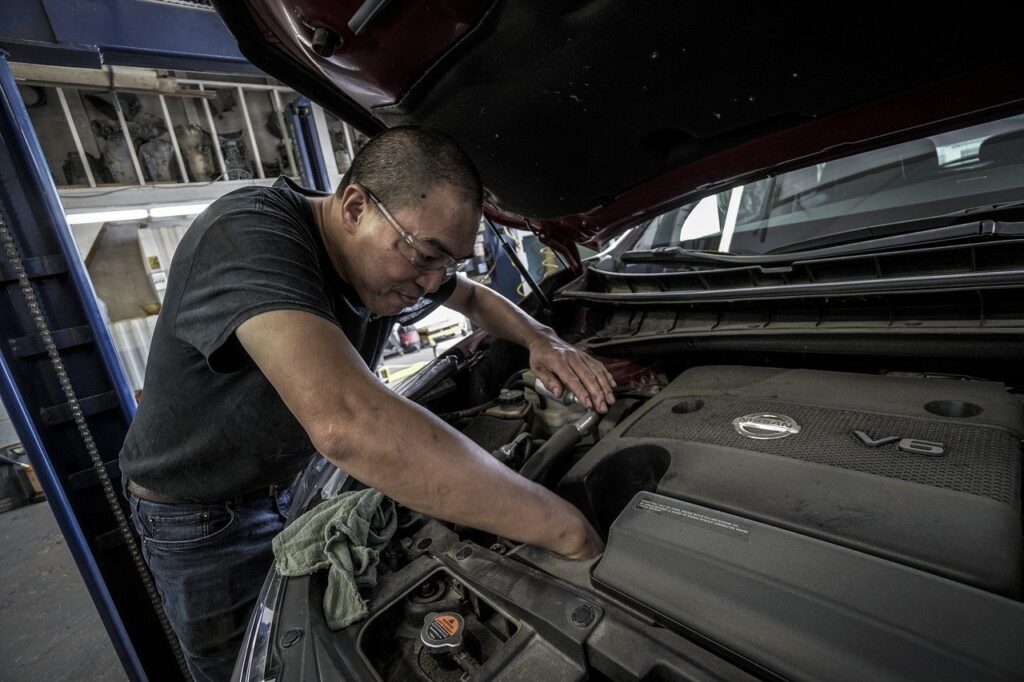
  • Remove the hood! By wiggling, touching, and watching a cool engine, we adopt a hands-on approach. These preventative procedures will deal with potential failure spots before they become a problem. 
  • Blow on your air filter or gently smack it on the ground to clean it. Make sure it’s securely replaced. 
  • Make sure the fluid levels are correct. Have you filled up your windshield washer, radiator, and transmission fluids? When checking the fluid levels in an automatic transmission, keep in mind that the engine must be running. 
  • Examine the hoses and clamps. Examine the clamps for stiffness, cracks, fatigued regions, and missing clamps. Are the hoses properly routed in their clips? 
  • Examine the connections to the main battery. Examine the battery terminals for tightness and corrosion. Vibrations might cause internal battery breakdown over time. 
  • In order to discover a faulty alignment sooner rather than later, keep an eye out for uneven tire wear. This happens a lot more on the front tires. If you have a dedicated off-road vehicle that isn’t your daily driver, check this once a month. 
  • Look at those lug nuts! A nut will loosen before it fails. If you’re on a long-term overland trip, they are important to check on a daily basis to avoid a catastrophic tragedy.

Monthly Inspection These items are best checked on a monthly basis.

  • Shake each tire at the 9 o’clock and 3 o’clock positions back and forth. Bad tie rod ends, steering components, or weak connections might cause strange movement or clunking sounds. 
  • Take each tire’s top and shake it back and forth. A knocking sound could indicate a damaged wheel bearing or a bad ball joint. 
  • Examine the area beneath your vehicle by physically crawling below it. Things should be shaken. Are the brackets all right? Is there any rubber that has cracked or split? Are there any missing bolts? Is there anything that appears to be bent? Is there any muck that shouldn’t be there? Is there any grass that could catch fire if it gets wet? Is your skid plate clean on top if you have one? 
  • Examine the wiring. Are there any hot, dry, or fractured wires?

Once a month, it’s also a good idea to go over all of your systems thoroughly. All lights, pumps, and heater systems, as well as any factory or air lockers (for a mile or two per month) and your winch, are included. Turn on 4WD and 4lo. Testing these systems not only maintains everything lubricated and running well, but it also makes it much safer to deal with problems in advance.

We are huge fans of American muscles

We are huge fans of American muscles. We just do it because we can’t help ourselves. Walking out to your garage to see your baby, who is tenderly protected by a decent car cover, is the sweetest feeling in the world. She is seated there. I’m just waiting for someone to notice her and give her the respect she so richly deserves. You go around the car, grazing the car cover with your hand, pondering whether you have time to take her for a little drive before heading to work. We know because we’ve been there.

Who would want to buy a good car when you can buy an American car?

Maybe you’re looking for a superb American muscle automobile. We intended to compile a list of the top five American muscle cars of all time, but there are simply too many worthy contenders. Instead of limiting ourselves to just five, we decided to make a list and see where it took us. So, without further ado, let’s get right in and take a look at some iconic American muscle vehicles.

One of the best things about owning a muscle car is all of the sweet little numbers you can get. The 1960s and 1970s were a great time for muscle vehicles, especially those with big V8 engines that could deliver a lot of torque. This era produced some of the rarest muscle vehicles, and it’s simple to see why they were so popular. They’re quick! When the 1980s arrived, there were still some terrific cars with plenty of horsepower, but emissions and other laws put a damper on the celebration, and muscle cars had to be tamed a little in comparison to their 1960s and 1970s counterparts.

  • The (COPO) or Central Office Production Order system in the 1960 COPO Camaro was geared for fleet sales and included stain-proof upholstery for taxicabs and heavy-duty suspension for cop vehicles. What’s even better is that some dealerships recognized that if they ordered one of these cars using the correct order numbers, they could acquire them with amenities that Chevy didn’t want the typical motorist to have in their Camaro. Chevy placed production order 9561 for a 425 horsepower, V8 rates, 427 big block engine that is essentially a race engine in the Corvette form. This engine was created and developed for the Chaparral racing team to use in the Can Am series. Chevy, on the other hand, is really sly and didn’t place any unique insignia on the engine or anything, so if you open the hood and look at the engine, you won’t know what it is. Instead, you’ll see standard Chevrolet badges. Anyway, there was a COPO 9560 production order for an engine with an additional 5 horsepower rating, but everyone knew it actually delivered close to 550 horsepower. It was a V8 ZL-1 427 engine made entirely of aluminum, and it could move! Only 69 of these ZL-1 Camaros were made, and if you wanted to purchase one at auction, you’d have to pay $400,000 or more.

The Pontiac GTO Judge, which debuted in 1969, has always been a popular muscle vehicle. In fact, until 1968, when it faced a lot more competition, the 1964 version dominated the market. Paul Revere and the Raiders, a rock band, composed a song about it and sung about the ever-popular GTO. The song was featured in the Judge’s first commercial and was one of the first rock music videos to be released. Pontiac decided to develop a less expensive version of the GTO with a 350-cubic-foot ET (elapsed time) engine. However, John DeLorean, the Pontiac CEO at the time, flatly rejected the notion. Instead of giving a GTO with a lesser engine, he thought they should provide a bigger and better GTO that was a step up from the standard one, and that’s exactly what they did. This version included a Ram Air III engine with 360 horsepower as standard equipment. If the buyer desired even more power, the Ram Air IV engine with 370 horsepower was available. The convertible version of the GTO Judge, which came with a Ram AIR IV engine, was the only alternative choice for a GTO Judge. Only five of these were made in 1969, making them extremely uncommon. Many people are curious about the origins of the GTO Judge’s name. According to rumors, John DeLorean was a major admirer of Rowan and Martin’s Laugh-In on television. It’s a sketch comedy show, and he named the Judge after one of the show’s most successful skits.

  • The Chevy of 1970 The Chevelle LS6 was built after General Motors eventually agreed to relax their long-standing rule that engines greater than 400 cubic inches could only be put in medium or larger vehicles. The Corvette had traditionally been Chevy’s best-selling and best-performing automobile, and the company didn’t want its sales to suffer as a result of any car with a greater horsepower rating than the Corvette. That restriction was in existence until 1970, when it was relaxed. A 454 LS5 390 horsepower engine was the most powerful in a 1970 Corvette. That was about to change. The LS6 V8, 454-cubic engine was put in the Chevelle SS, and a slew of other automobiles quickly followed suit. All of the company’s divisions participated, and Oldsmobile received a 455-cubic-inch engine instead of the standard 442. Most people estimated the LS6’s power to be 500 lb-ft of torque and 450 hp. Those estimations, however, were not quite accurate. Because of a massive 780 CFM carb and a high 11.25:1 compression ratio, the real horsepower was closer to 500. In 1970, Car and Driver tested one and discovered that it could travel from 0-60 in 5.4 seconds and a quarter mile in 13.8 seconds. However, keep in mind that the test was conducted on skinny, low-grip tires. The test should be re-run now with current tires, and the automobile would be significantly faster. Another interesting fact about these vehicles is that the LS6 has the greatest factory horsepower rating of all of the muscle cars.
  • 1969 Ford Mustang Boss 429: In the early 1970s and late 1960s, Nascar was at the pinnacle of its sport. It was a wonderful scenario for carmakers who could concoct the most outrageous designs and specifications for new racecars. Every firm was striving to outdo the next with their unique body shapes and hot tiny engines. If the automaker could see 500 of the automobile in question, it would be possible to race them in Nascar, which was the ultimate goal. One of these cars was the Boss 429 Mustang. The V8, 429-cubic-inch, 375-horsepower engine under the hood was built to crank to 6000 rpms and was specifically designed for racing. This Mustang, on the other hand, never made it to Nascar and performed even worse on the streets; in fact, this Mustang was actually slower than some of the other big-block Mustangs at the time. Mustang would never put up with that. It was time to think beyond the box. This V8 was massive and wouldn’t fit in a stock Mustang’s engine bay. So Ford hired a company named Kar Kraft to do the task, and they installed a smaller brake booster, moved the battery to the trunk, expanded the front end track, and relocated the shock towers all to make way for the monster engine. That worked out well for anyone who bought one of these Boss 429s because they are still enigmatic and unusual, resulting in auction prices exceeding $200,000.

  • Pontiac Firebird, 1978 In the late 1970s, when all other vehicle manufacturers were battling with decreasing muscle car sales due to high insurance costs, high gas prices, and pollution laws, the Trans Am became famous in the film Smokey and the Bandit, making it a highly popular choice. All of the other carmakers were lowering their horsepower, but Pontiac was not one of them. In 1978, they actually boosted the highest Trans Am’s horsepower from 200 to 220 horsepower. They also added some wonderful features like quicker steering, fresh tires, bigger 8-inch wheels, and sport-tuned suspension, which made it faster and more maneuverable around a track than the Chevy Corvette. Those who preferred the T-top roof’s close-to-convertible feel had to wait while Pontiac ironed out the wrinkles. Originally, they used a Hurst Hatch built by Hurst in the 1976 models, but they immediately discovered that they would have to design and develop their own because the Hurst Hatch leaked. With the support of GM’s Fisher body division, they designed and developed their own, which they released in mid-year 1978. As a result, you can locate a 1978 model with Fisher units and others with Hurst Hatch. The Hurst Hatch glass roof panels are smaller than the Fisher glass roof panels, thus most people can see the difference. However, unless you have one of each sitting side by side to compare, it may be difficult to tell.
  • The 1970 Oldsmobile 442, which was based on the Cutlass and included dual exhausts, a four-speed manual, and a four-barrel carburetor, was one of Oldsmobile’s most popular muscle cars. Most people are unaware that this automobile was built on the same basis as the Pontiac GTO and Chevy Chevelle SS. The automobile began with a 442 but was immediately upgraded to a big-block 455-cubic-inch V8 that produced 360 horsepower and 550 pounds of torque. It was fast for its day, especially given it was an Oldsmobile that could go from zero to sixty in six seconds. James Garner raced one of them in the NORRA Mexico 1000, which was the race before it became the Baja 1000, and finished second in class. Since then, the car has been refurbished and placed up for sale. It will be fascinating to watch how much it sells for.
  • After seeing how popular their high-performance GTO variant of Pontiac’s Tempest was, the 1965 Pontiac Catalina 2+2 was built with the purpose of making over the larger cars that Pontiac made. So they introduced the new big-body Catalina, which featured a 421 cubic-inch engine with 338 horsepower. You could even upgrade to the 421 engine, which offered 376 horsepower for a little more money. This car featured unique badging, a Hurst shifter, bucket seats, beefier suspension, and eight-lug hubs. Car and Driver evaluated one of the Catalina 2+2s, which accelerated from 0-60 in 3.8 seconds and completed the quarter mile in 13.8 seconds. It was also faster around the circuit than the Ferrari utilized in the comparison test by the magazine. Because Royal was not only a dealership, but they also supplied Pontiac-approved speed parts, it’s assumed that the automobiles that were heading out to the automotive press arrived first. These cars almost certainly had certain Royal speed items that the factory Catalinas built for the general public did not.
  • Dodge Charger, 1969 The Daytona was one of the most distinctive muscle cars of its time. This car was built to race the longest and fastest tracks on the Nascar superspeedways, as the name suggests. The engineers opted to make some aerodynamic changes and take the Charger to the wind tunnel to ensure they had the fastest and best performing car possible. The aerodynamic changes reduced the coefficient drag to 0.28, which was a significant improvement. A taller, slanted nose cone, a flush back window, and an almost two foot tall rear wing were among the changes made. The rear wing was so tall so that the trunk lid on production cars could pass underneath it and fully open. The upgrades were a big success, and the Daytona racing version became the first car in history to reach 200 mph. Nascar, on the other hand, opted to outlaw these vehicles after a while. The production cars, which came with a big block 440 or 426 Hemi and cost $150,000+ at auction, are still hugely sought-after collector cars.
  • The fourth generation Chevrolet Corvette debuted in 1984. The third generation lasted from 1968 to 1982, which is quite a long time. As a side note, there is no 1983 Corvette in production. The business opted to hold off on releasing the new model until the 1984 model year. Except for one white prototype, which is on display at the National Corvette Museum in Kentucky, all of the 1983 prototypes were destroyed. According to rumors, the reason they waited until 1984 was due to quality control concerns and harsher emissions restrictions, both of which required additional time to create the automobile, although no one knows for sure. Anyway, there was a lot of discussion regarding the alterations that would be made before the release of 1984. Some speculated that it would employ a rotary engine, similar to Mazda’s, while others speculated that it would have a mid-engine chassis, similar to the Italian exotics. When it was finally released, it was equipped with a small-block V8 Chevy engine that produced only 205 horsepower, which was far from remarkable. It didn’t take long for them to fix the problem, and five years later they released an ultra-high-performance Corvette with a new, calibrated port fuel-injection system that improved performance and speed. With 375 horsepower, it was the ZR-1.

  • The 1987 Buick GNX: when the 1960s and 1970s mania had calmed down, everyone was hungry for more V8 powered engines. Buick gladly stepped in to save the day, releasing the Grand National, a hot-rod version of the Regal coupe. It was equipped with a powerful turbocharged V6 engine that increased horsepower from 245 to 276 horsepower. It was one of the fastest automobiles available at the time, going from 0 to 60 in 4.6 seconds. As a fun fact, when Buick ceased building the GNX, which didn’t take long considering only 547 were built and sold as investments for most customers, they had a lot of leftover engines that Pontiac picked up. The turbo V6s were installed in Pontiac’s 20th Anniversary Trans Am, which was released in 1989. It was rated at 250 horsepower, but those who knew better believed it had more power under the hood than that.

We could have included a lot more interesting automobiles on this list, so don’t believe this is a complete list by any means. Muscle cars are still enjoyable to look at, drive, and collect because they transport us to a simpler era of sensual nostalgia and provide us with a peek of some of the most iconic automobiles in history.

20 leading cars and trucks you can actually buy today!

0

America is still the leading car manufacturer in the world. And for a good reason, too; after all, we’ve had more than a century’s worth of time to refine our craft. Over that time, we’ve made some excellent contributions to automotive history. While there are dozens of prestigious brands out there, not every company has left its mark on the auto industry as these American automakers have. Read on for 20 most American cars and trucks you can actually buy today!

1) Mercedes-Benz GLE-class

Mercedes-Benz is one of the most respected automakers in the world. The name has become synonymous with luxury and prides itself on providing the best vehicles on the planet. For decades, Mercedes has been building more than just transportation cars – they’re status symbols. And while that doesn’t necessarily make them American, Mercedes was bought by Daimler-Benz in May of 1998, which was a German-based company.

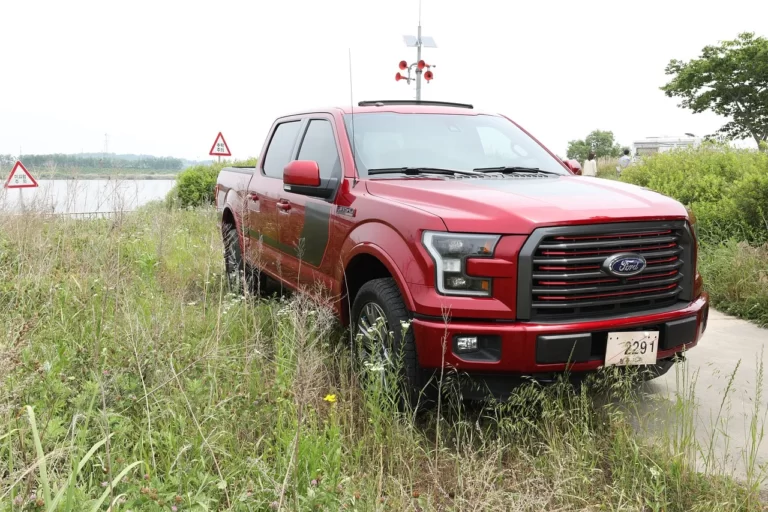
2) Ford F150

No car has come to represent America more than Ford’s F150. It’s arguably the most popular pickup truck on the market today, and it’s easy to see why: it offers power, comfort, utility, and style for an excellent price. The F150 (along with the rest of its brethren) has been made in Dearborn, Michigan, since the 1940s

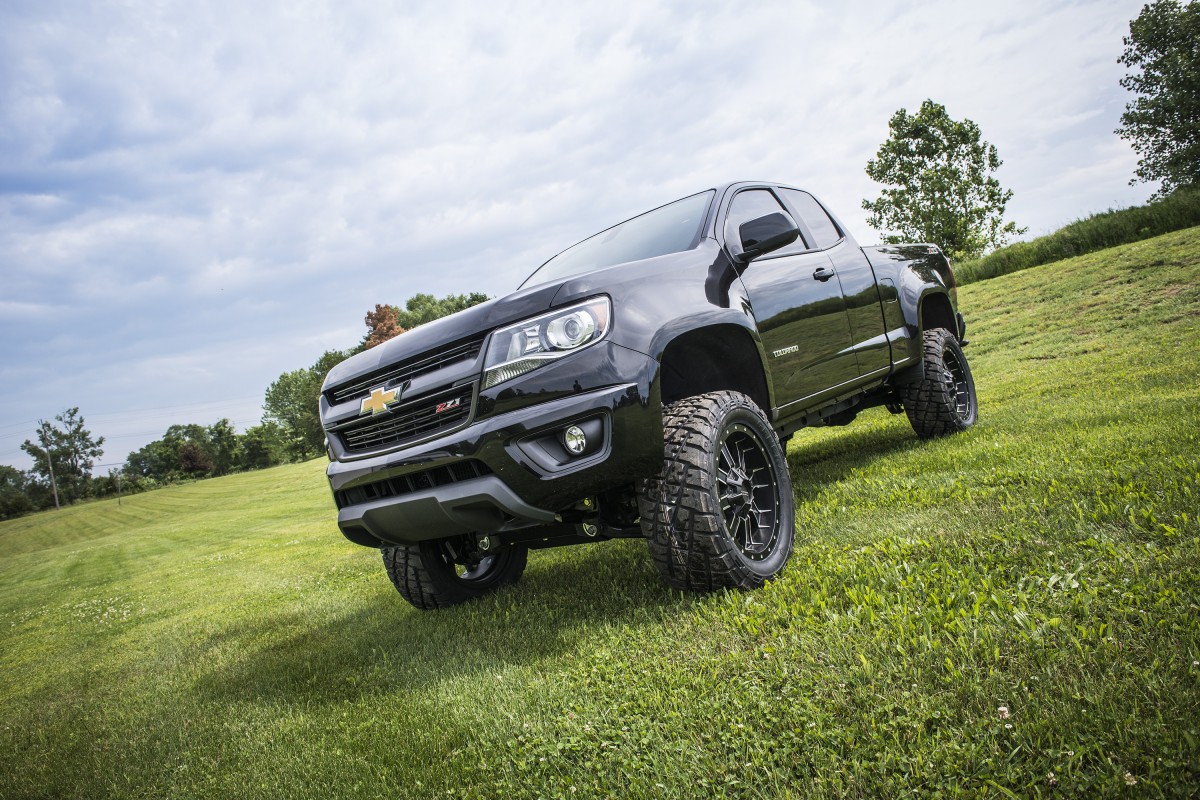
3) Silverado

Chevrolet has a long history of producing trucks that are not only durable but stylish as well. The Silverado is arguably Chevy’s most popular truck, and for a good reason – it’s powerful, comfortable, and looks great. The Silverado is manufactured in Wentzville, Missouri.

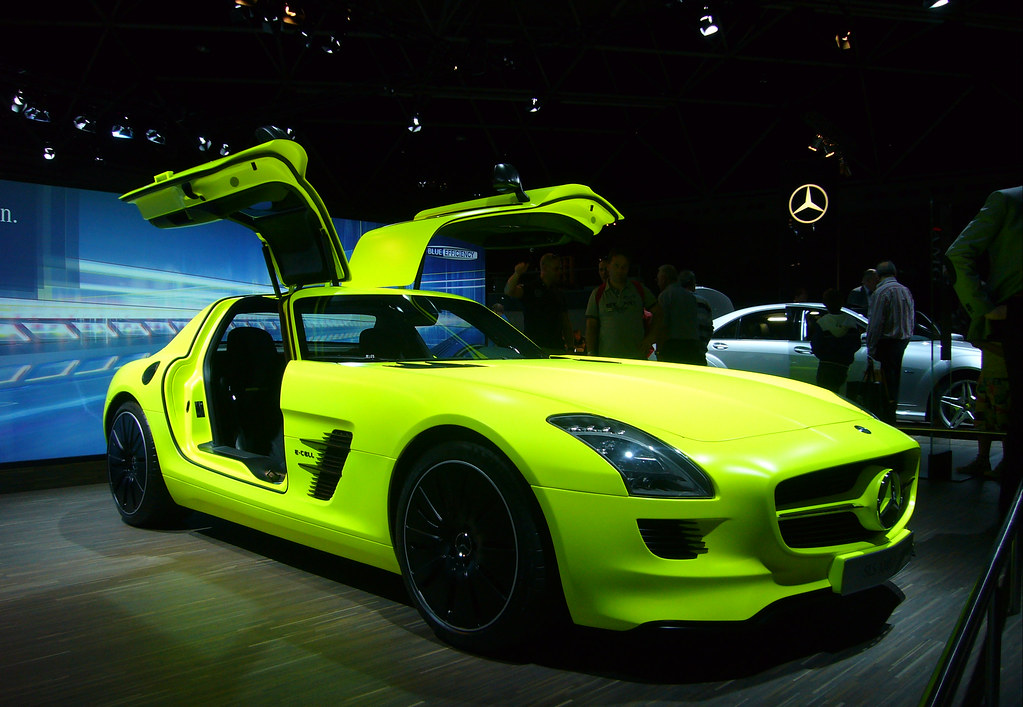
4) Mercedes-Benz SLS AMG

Mercedes may have been owned by Daimler-Benz for over half a decade now, but it hasn’t forgotten about its history of making some seriously fast cars. The SLS AMG is the most powerful Mercedes has ever made, and it’s an excellent example of Germany’s proficiency in the field of engineering.

5) Ford Edge

The Edge may be a crossover, but it offers all of the utility you’d expect from a midsize truck. It boasts plenty of room for passengers, cargo, and rugs and comes with a four-wheel-drive system that makes handling off-road terrain easy. It’s manufactured first in Chicago, Illinois, and then shipped out to dealerships.

6) Dodge Durango

The Durango may not be as popular as its Chevy cousin, but it shares many of the same qualities: comfort, power, luxury, and utility. The Durango is an excellent choice for anyone who wants a solid, reliable vehicle that can get the kids to soccer practice and still have plenty of room for all of your gear.

7) Chevrolet Camaro

Chevy has put out some great performance vehicles over the years. One of the most memorable was definitely the Camaro. Releasing a muscle car in 2010 might seem like a strange decision, but I think it’s safe to say that it paid off; this is one of the most popular cars on the market today.

8) Dodge Challenger

Perhaps one of the most powerful muscle cars to ever be released was the Dodge Challenger. The second generation of this classic car is still a hit today, and its popularity hasn’t decreased since it first came out. It’s an excellent pick for anyone looking for a muscle car that’s actually built in America.

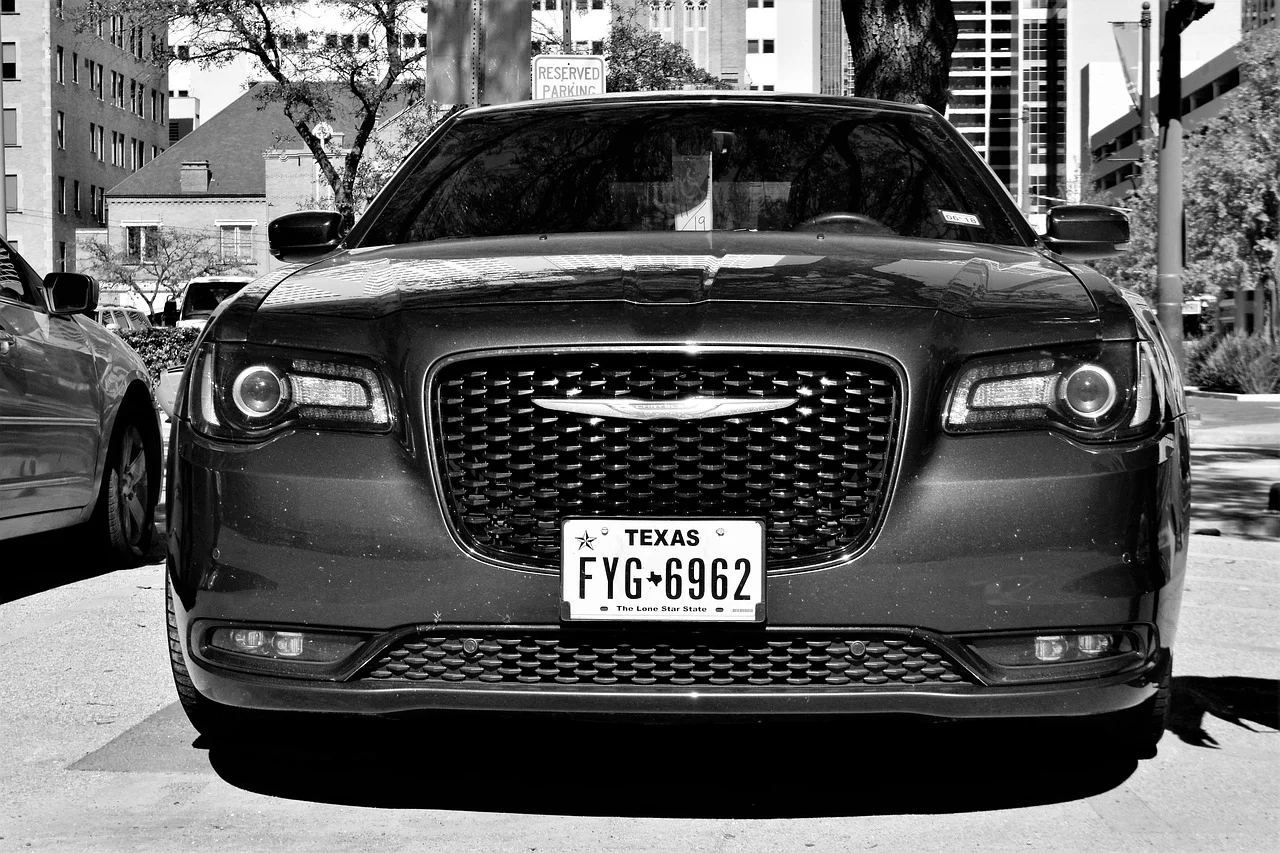
9) Chrysler 300

In the nineties, Chrysler attempted to make itself into a major player on the American auto scene by bringing forth a new line of well-known brands. One of those brands was the 300. The 300 is an elegant and comfortable vehicle that’s perfect for anyone who enjoys luxury.

10) Kia Sorento

Kia has always been a bit of a sleeper brand. Although it’s not as popular as its sister brands, it’s still well-known in many countries around the world. But now, the Sorento is one of Kia’s most popular vehicles – and quite possibly one of the best-selling SUVs on the planet. It boasts comfort, great craftsmanship, and plenty of room for passengers and cargo alike. The Sorento is manufactured in Danville, Kentucky.

11) Honda Odyssey

Honda has always been a company that seeks to make comfortable, safe, and good-looking cars. The Odyssey is one of the best minivans on the market today. It’s perfect for families who want comfort and utility without sacrificing style. The Odyssey is manufactured in Lincoln, Alabama.

12) Toyota Camry

Toyota is often called the “Japanese Honda.” This means that it produces reliable and comfortable vehicles with decent handling at an excellent price point. One of its most popular vehicles is definitely the Camry – a car that has become synonymous with affordable luxury. It’s manufactured in Princeton, Indiana.

13) Kia Soul

Kia has been a bit of a sleeper brand on the market since it launched in 1996. This is mostly due to the fact that Kia doesn’t build massive SUVs as Hyundai does. The Soul is one of the brand’s first hatchbacks, and it’s been incredibly popular ever since its release – especially for those looking for affordable, fun transportation! It’s manufactured in West Point, Georgia.

14) Ford Focus

This small sedan has been America’s passenger car of choice since it launched in 2005 – bringing with it comfortable and reliable transportation as well as plenty of styles. The Focus is manufactured in Hermosillo, Mexico.

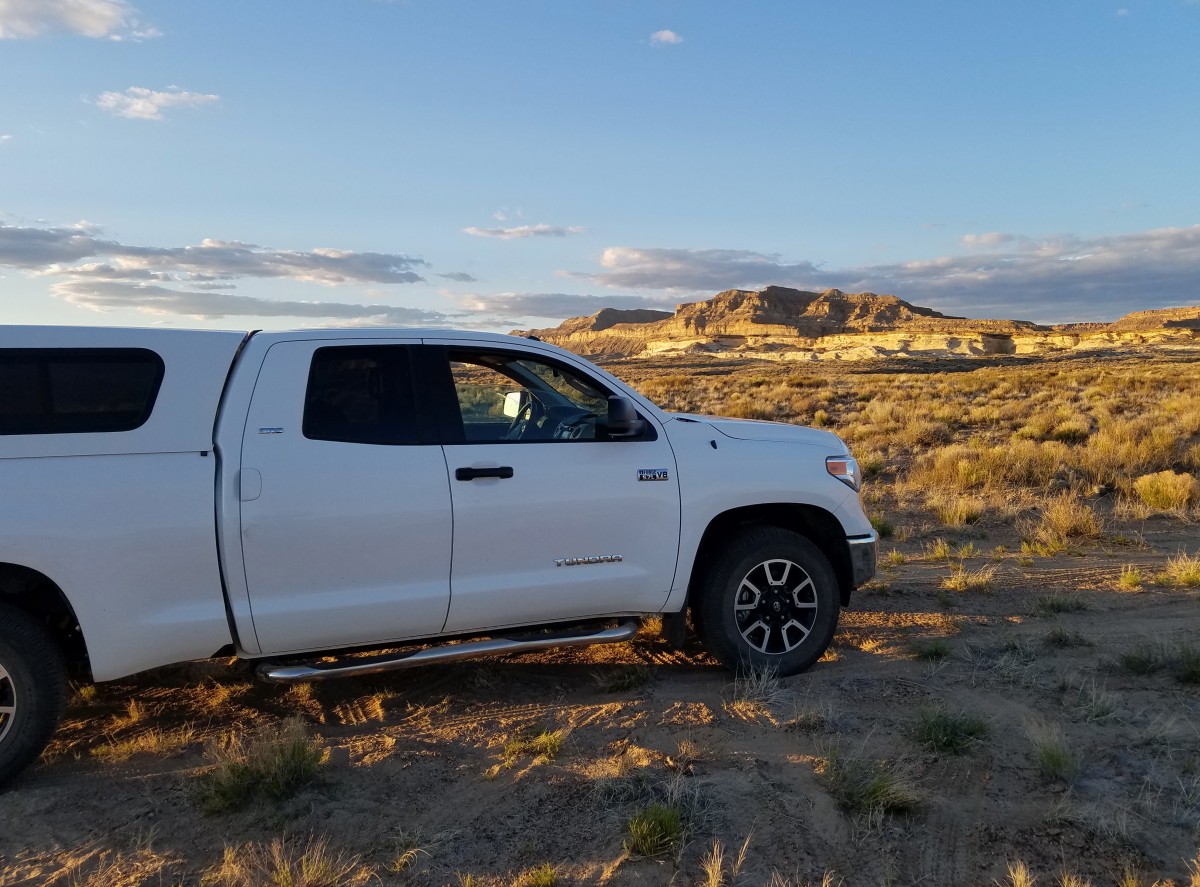
15) Toyota Tundra

Another one of Toyota’s most popular vehicles is the Tundra. This full-size pickup truck offers plenty of style along with some great features like a navigation system and backup camera to make it even easier to maneuver in tight spaces. The Tundra is manufactured in San Antonio, Texas.

16) Jeep Grand Cherokee

For decades, people have been turning to Jeeps for their off-road abilities and rugged construction – not only as a practical option for camping but also as a fun vehicle for drivers who enjoy tearing up the pavement at high speeds. In fact, the Grand Cherokee is one of the last vehicles to retain the classic Jeep grille that’s so iconic to its brand. The Grand Cherokee is manufactured in Jefferson North Assembly Plant in Detroit, Michigan.

17) Dodge Charger

Dodge may be called “America’s mainstream performance brand,” but it’s no slouch either. In fact, their most popular vehicle is still undoubtedly the Challenger – even though they’ve added a variety of new models to their lineup. One of those new models is definitely the Charger; it’s a midsize sedan that offers great performance and plenty of luxury for an excellent price point.

18) Chevrolet Silverado 1500

The Silverado is one of the most successful vehicles General Motors has ever released. It’s a popular truck for workers and families alike who want a reliable option for hauling equipment or kids and something that looks good doing it. The Silverado is manufactured in Flint, Michigan.

19) Honda Accord

Honda is the most popular Japanese brand on the market, and it’s no mistake that all of its vehicles are incredibly reliable, comfortable, and affordable. One of their most successful models was definitely the Accord – a midsize sedan that offered plenty of performance while retaining an affordable price tag. It’s manufactured in Marysville Auto Plant (Ohio).

20) Nissan Altima

Nissan is one of the most popular brands in the world. They’ve long been associated with affordable performance, safety, and stylish designs. Their vehicle sales are globally renowned, and they offer some of the most reliable options available on the market today. One of their most successful vehicles is definitely the Altima – a midsize sedan that offers plenty of room for cargo or passengers while still maintaining a great price point. It’s manufactured in Smyrna, Tennessee.

Don`t BUY a Muscle car or Sports Car Until you read these tips

0

T

he world of muscle cars is a complicated one. With so many factors, from horsepower to transmission type to whether or not the car has been modified, it never ceases to amaze me just how much more there is to know about a car than just its model year and manufacturer.

Knowing these facts beforehand will help you save time and money when investing in a used or new muscle car, so be sure to read on!

They say you only go around once, but with a muscle car you can go around two or three times

-Tim allen –

1. Know Your Options

I know you want a car to get in and go, but don’t spend a fortune on a car that doesn’t have all the features you want. When buying a car, I recommend going with what you know, or at least what you’re used to if you’re not sure what kind of your ideal muscle car is.

To start off with, knowing the options will help narrow down your search for specific features that aren’t listed or aren’t listed at all. Make sure to double-check that the options are available on the vehicle before sending an email asking about them!

2. Know Your Budget

I know it’s tempting, but don’t settle for a muscle car with no options when you can have all the options for less! Be sure to go over the cost of the vehicle when looking at buying used or new, especially if you plan on keeping it long-term. Be sure to take into account how much things like oil changes and tire replacement will cost since these are things that won’t get cheaper if your car lasts forever.

3. Know Your Skill Level

This is something I struggle with myself, but also something that comes up in circles of people who buy muscle cars regularly. People often ask me about buying or rebuilding an old muscle car because they heard it was basically impossible. You can do this, but it does take some skill.

Along with knowing the market prices for parts, you’ll need to understand how to replace certain parts of your vehicle. This varies greatly depending on the car, so you’ll need to do some research before diving in. For example, if you’re looking at a ’68 Mustang Fastback, there are plenty of sites that will explain how to replace parts like an alternator or heater core. Do your research first!

4. Know Your History

This is crucial to make sure you’re getting a car that’s been well-maintained for all of its life. Knowing the history is important whether you intend to use it on the street or on a race track. Check on things like previous accidents and repairs before buying, and bring the car in to be inspected by a third party if possible.

Make sure to check for things like rust, especially if you plan on racing the muscle cars. Rust-free cars are much more valuable in general, and knowing whether your potential purchase has rust will help determine whether or not it’s a good purchase.

5. Know Your Engine

I’m sure it comes as no surprise that engine size is important for any muscle car, whether it’s a new or used one. Smaller engines usually don’t have the same amount of horsepower, and this means you’re losing power in your car. It can provide some extra torque and performance for certain models, but these types of engines put more stress on your engine.

Knowing what kind of engine you’ll be getting is important since they often sell better than larger engines and often cost more to repair/replace when needed. If you’re looking at buying a small-block Chevy (or other Chevy), know that it will probably be harder to find parts for when your engine goes down in the future.

Power Muscle Engine

6. Know What You Want

You may be ready to invest in a classic muscle car like a ’69 or ’70 Mustang, but make sure you understand what you want the car for before buying! The market is full of people who don’t want to pay for maintenance, and there are tons of great cars out there that need maintenance. Not everyone has the time or money for this, so be sure to consider all factors.

7. Understand Your Budget

This is a problem that keeps cropping up in my advice sections over and over again. You’ve probably heard that muscle cars are expensive to maintain, and there’s an abundance of evidence supporting this fact. Be sure to take this into account when you decide your budget! The market prices for everything can change over time, but maintenance will always be the same.

8. Understand that they’re Cars

I know it sounds like an obvious tip, but you’d be surprised how many people forget this fact when buying a car. Muscle cars are just cars, and they need to be treated like any other car if you want them to last long enough to pay for themselves.

They break down just like every other vehicle on the road, and that means that if something breaks while you’re driving, you should pull over immediately. If you’re driving a muscle car, there’s no driving to get somewhere, so that means that the car is your responsibility. It’s not just a “classic car” or “old car” that can just get repaired and driven afterward.

9. Know that they’re Collectibles

Finally! One of the most common questions I get is: “What should I do with my old muscle car?” This is a tough question; once you start looking for your favorite cars, you’ll immediately see thousands of people who want them too! Don’t be like them, and make sure to research classic muscle cars before starting your search.

If you’re looking for a collector’s item, make sure to know what they go for in the market. I’d also recommend getting a nice car cover or garage to secure your investment when not in use.

10. Know that they’re everything Else

Even if you only care about how much your vehicle will be worth if you decide to sell it, it’s important to remember that muscle cars are everything but typical. They’ll bring drama and excitement to your life, and if you decide to go racing with them, you’ll be part of something special! Take the time to enjoy this hobby before (and after) buying your first muscle car.

11. Get a Test Drive

You’ve done your research, and you’ve decided to put money down on your car. Please do your research, and make sure it’s right for you! You may need to modify or customize that vehicle to make it more efficient for yourself. This is a great time to do some training before you take on a modern muscle car, as different vehicles will have different types of performance characteristics.

Test-driving an old muscle car doesn’t mean that you’re absolutely going to buy it. You can still go test-drive any model of car and see how it handles, but if you find something you like right away, I’d recommend going home and saving up for a few months before buying.

12. Get a Pro Opinion

If you’re planning to modify or customize your vehicle, you’ll want to get an opinion from someone with experience. If you’re just looking at buying one for the collection, I’d recommend investing in some books on the topic and doing some research on your own.

You can still get some great advice when you’re looking for a car that’s already been modified, and don’t forget about this option if you’re looking for a new car.

13. Get a Good Car Cover

One of the biggest secrets to keeping the condition of your car great is to keep things clean and dry. This might sound basic, but it pays off all the time for older vehicles. If you don’t drive your car in the rain or snow very often, then a cover might be the best investment that you can make!

14. Be Prepared For Repairs

It’s best to be prepared for anything that comes up. You never know when your car might need a tune-up or some new fluids. It’s important to keep up with your car, even if it costs more than you want to spend!

As long as you’re careful and take the necessary precautions, you’ll end up having a great time both on the road and off of it!

The truth about modern American muscle cars

Today’s “underrated” muscle cars are not well-liked by many enthusiasts because they lack classic looks and power compared to their ancestors. The most modern muscle cars actually lack the classic style and feel of their predecessors, and their lack of power can be very disappointing to fans. Let’s take a look about modern american muscle cars and  why modern muscle cars may be underrated and what we can do to make them more popular.

There are actually a few reasons why people may consider modern muscle cars to be underrated. They’re not as powerful as the classic muscle cars were when they came out, but that’s just one of many reasons some perceive them to be underpowered these days, Truth about modern American muscle cars, which we’ll discuss in this article.

I spotted Mr. Reyes Farrow standing next to his stunning ’70 Plymouth ‘Cuda. Classic. Dark. And all muscle. The car was hot, too.

– Darynda Jones –

Transmissions on Modern Muscle Cars

Transmissions on modern muscle cars tend to be better than the classic models, which is great. The problem for many fans of these vehicles is that they’re automatic or some version of electronic, meaning that the transmission functions without using a clutch. While it’s nice to be able to use an automatic transmission on these vehicles, many drivers prefer manual transmissions because they can control their vehicles more precisely.

Reliability Concerns of Modern Muscle Cars

While some modern muscle cars may have better transmissions than older models, their reliability levels are still lower than many would want. For starters, the engine is actually not that powerful when compared to classic models. When older models came out, they would have at least 500 horsepower – some even had nearly 600. But today’s modern muscle cars often only have around 300 horsepower. While this may not be a problem for many drivers, many fans of these vehicles want more power. Smaller engines power most modern muscle cars because their transmission is automatic for better fuel efficiency.

The reliability issues don’t stop there, though. Many modern muscle cars are known to have issues with the computers that run them, in addition to faulty internal mechanics that can cause problems down the road. These computers can cause problems with their acceleration and stall on a regular basis. The alternators on modern muscle cars also tend to fail on a regular basis, causing more issues for some drivers.

Maintenance – Common Maintenance Issues

Modern muscle cars are not as classic as their predecessors were, which is just one of the many reasons they’re underrated. While this is not necessarily a problem for some, most fans of older muscle cars expect more from their vehicles than just good looks and an automatic transmission.

These days, repairing modern muscle cars can be difficult, especially for internal reliability issues if the engine isn’t strong enough to handle them. However, most modern muscle cars tend to be easier to maintain than their classic counterparts were. And since their transmissions are automatic, they’re not as old-fashioned. Still, there are some small things that can affect their overall durability and cost of maintenance overall.

Modern Muscle Cars Don’t Have Classic Looks.

The muscle cars of today aren’t as powerful as they once were and didn’t have the classic looks as their ancestors did. Although many people may hate to hear this, it’s actually a good thing for these classic models to be looked over by many enthusiast drivers around the world. Some say that these modern muscle cars lack power, which is what keeps the age gap between the old and new Muscle Cars. But let’s take a closer look into why they’re underrated and how we can make them more popular than what they really are.

There are a couple of reasons why modern muscle cars have been going unnoticed for a very long time. The main one is that they don’t have the classic looks that their predecessors did when they came out. Modern muscle cars were made with a very different kind of technology from their predecessors, and this is what makes them look suspicious from the outside to fans of these vehicles. Let’s take a look at what modern muscle cars have been doing wrong compared to how they used to be in the old days.

Redesigned Body Structure

The bodies of the vehicles have been redone in modern times, and this is just one part that people have been criticizing about these vehicles. The bodies of the old models were made out of steel and aluminum, and this is what gave the vehicle a nice look. The new model has been designed with plastic for an overall different look. You can really notice how different these two models are when you take a side-by-side comparison. Although some don’t like the redesigned bodies, some people may not mind it as much as others do. This is probably one of those things that you’ll have to decide on your own when thinking about a modern muscle car for yourself – whether or not you think they’re cool-looking enough for you.

Bodywork is An Individual Thing

Not everyone likes the new style, and not everyone has the same tastes. But this doesn’t mean that you can’t find another car model that may suit your preferences better. Modern muscle cars are something that you’ll have to decide on for yourself because it really depends on your personal taste – whether or not you think they look good or not.

There are many people out there who do like them, but there are also some who prefer the older muscle cars that came out before them. Muscle car enthusiasts have been known to complain about cars with automatic transmissions and how they don’t have as much power as their classic counterparts did. The new models have been designed with a smaller engine, which is just one of the many differences between them and their old counterparts.

The Looks Make a Big Difference

People always wonder why the older models are better looking, and this is because of a lot of things. A big part of it comes from design, but there are also some other factors that make the older models better looking than those new models you see today – not only to those who love timeless beauty but also to those who want speed as well looks. The old muscle cars were made with a much bigger engine, which is what added to their beauty compared to the smaller one that was put into the modern muscle cars. The modern muscle cars have a smaller engine that is usually a V8, and the older models had a V8 as well but were much bigger in comparison.

How Power Affects the Looks

The size of an engine doesn’t only affect how fast your vehicle goes but also affects how it looks as well. There’s no doubt that having a bigger engine will make your vehicle look better as well as go faster. This is why people love the old models so much because they have a big engine enough for them to have both speed and looks.

# 50 points for why you should buy a MUSTANG

If you’re in the market for a car, you should seriously consider buying a Ford Mustang. These cars are fun to drive, but because they are reliable and affordable, you can buy one of these cars for under $30,000, which is about half the price of other luxury vehicles on the market. They are also environmentally friendly since their F-150 engines can run off biofuel!

Many think that buying a ford mustang is the wrong decision, mainly because of the upfront costs. But remember, these cars will have a lifetime, so you aren’t wasting your money on something that may break down in a few years. Why should you buy a ford mustang? We’ve listed our top 50 reasons for owning a Ford Mustang.

He said he has a fast Mustang. I asked what type of hay he was feeding it

– Anonymous –

  1. It has a 3-liter v6 engine with an aluminum block and variable cam phasers


  1. The fuel economy is in the range of 17/26 for city and highway


  1. The car can handle up to 60mph in just over 10 seconds


  1. The car comes with a three year or 100,000-mile new vehicle warranty


  1. It has heated cloth front bucket seats, a leather-wrapped tilt steering wheel with cruise control, and a fully automatic driver information center


  1. The trunk space is decent enough for carrying your belongings from place to place


  1. It has standard air conditioning

  1. It has an optional 3.31 rear axle ratio, which is great for extra performance


  1. With the help of a supercharger, it has an extra 90 horsepower but is still able to maintain its fuel economy


  1. a lot of people think it’s an old car, but there are many new features which go with the old design


  1. Its timeless style, great looks, and comfort level make it one of the best-looking cars out there.


  1. It has plenty of sports options for those looking for more performance, especially with the V-8 engines


  1. You will never have to fear any type of check engine light because your car comes with a nice OBD II system


  1. it’s not too big or too small to be picked up very easily by other people


  1. It has a large amount of aftermarket support from parts manufacturers, which increases the customization factor of the vehicle


  1. If, for some reason, you end up in one of those small fender benders, it’s not going to cost anything to fix


  1. The seats are very comfortable and will make a great ride for a long trip or just around town


  1. The engine is very quiet compared to most cars out there, so when you’re driving around town, you won’t annoy other people with loud rattles or squeaks


  1. The styling is good enough that you can pass it off as something newer than what it was when it was made


  1. The car has a nice look and interior design that makes it feel like you can just drive all day without getting tired

  1. If you purchase the car new, then by the time that you pay off the loan and fix any issues that may arise, your car will be worth more than what you bought it for, so it’s almost like paying cash for a new car


  1. it’s a very reliable vehicle with almost no electrical problems


  1. it’s better than most other sports cars because of its great torque numbers and smooth V-6 engine


  1. The vehicle comes with many safety features such as ABS brakes and an airbag system in case something unforeseen happens on the road
    350 Ford Year Mustang 1967 American Gt


  1. it’s a great choice for a first car or an entry vehicle for people who want green cars


  1. It has a very small turn radius which is great in tight spaces where you have to turn fast


  1. In case the car breaks down, the repair cost will be much less than most other options out there because of its high reliability


  1. The car does not have an annoying ride when it comes to gas mileage. In fact, in EPA testing, it received a 19 miles per gallon in highway and city combined


  1. If you need help in deciding whether you should buy this vehicle, then just sit inside one and take a look around at how well it was designed and built by Ford Motor Company


  1. All the changes that the car needs are not very expensive compared to other cars


  1. a lot of people out there are in love with this model, so when they get in their new cars, they will be reminiscing about how much they will miss the original one


  1. It has tons of aftermarket parts available, which are usually better than what the factory offers


  1. It’s a great choice for people who do not want to be influenced by all the hype that surrounds these vehicles during showrooms and in advertisements


  1. The car also looks good in any size garage or driveway, although it isn’t recommended for any larger spaces because then it just seems too small for all-around use


  1. it’s a great choice because it’s not very overpriced like some other vehicles out there


  1. It has an overall great riding experience for an affordable price


  1. The V6 engine is strong enough to allow the vehicle to accelerate at higher speeds without having to use too much gas


  1. It has loads of power compared to older models because this car uses the newer style 4-liter v8 engine with 300 horsepower


  1. You can find replacement parts that are easy to install and relatively inexpensive, which is good for owners who like to fix their own vehicles instead of taking them back to the dealerships over time


  1. it’s very reliable with no known problems yet


  1. It has a decent amount of cargo space which is great for long trips


  1. All the parts are easy to remove and replace without having to take the engine out of the vehicle


  1. The car’s appearance holds up even with regular washing and waxing, although it’s recommended that you don’t do this in salt or harsh environments where it can be damaged or fade in color


  1. It has an OEM quality shape that is not too small as many other vehicles out there


  1. The car has a great design for it because of the high-quality materials used in building it, which makes it last longer


  1. The cost of owning this vehicle is very low compared to other options because of the low maintenance required


  1. Stable engine performance allows for a great fuel economy


  1. Long-lasting parts are available to help keep the car running smoothly even after years of use


  1. It has very good handling capabilities because of its symmetrical front and rear axle design


  1. The car is filled with many user-friendly features that are easy to operate once you become familiar with them

Muscle Car actually is the epitome of power and performance

The greatest way to illustrate that the Muscle Car actually is the epitome of power and performance is to drag these highly tuned monsters down the quarter-mile.  In a series of drag races, the Wheels YouTube Channel released a clip in which old school muscle cars competed against their modern counterparts, and the results were shocking

OLD SCHOOL VS MODERN

It runs the quarter-mile in 11.87 seconds, compared to 12.14 seconds for the Ford. 

These events allow us to see how far the Muscle Car tale has progressed. You would assume these ancient masterpieces have no chance, but you’d be shocked by the results. The majority, if not all, of the cars are powered by a big-block V-8 engine. Let us begin the party.

DODGE SRT WIDEBODY VS PLYMOUTH ROADRUNNER

In a series of drag races, classic muscle automobiles compete against their newer counterparts. The Hellcat Widebody takes on a classic Plymouth Roadrunner first.

We start with a current HellCat Widebody taking against the classic 1970s Road Runner. Both cars have drag racing tires in the front and skinnier tires in the back.

Both vehicles are on drag radials. The Black Dodge wins this one with 10.24 seconds for the standing quarter mile, followed by the Road Runner with 10.80 seconds. 

The Christmas lights glow green, and the Black Dodge gets off to a strong start, but the Plymouth fights the SRT all the way to the finish line.  

The Hellcat runs the quarter-mile in 10.24 seconds, while the Road Runner comes in at 10.80 seconds

SHELBY MUSTANG COBRA VS 1969 CHEVY CHEVELLE

Following that, we have a current Mustang Cobra interpretation of a classic Chevrolet Chevelle.

The next car is a Shelby spin on a classic Chevelle. Despite its aggressive appearance, the Mustang appears to be factory stock. The Chevy, on the other hand, has a supercharger protruding from its hood. It rides on drag radials and features a wheelie bar and parachute on the back.

And it shows, as the Chevelle easily won this one, clocking a scorching 10.52 seconds against the Mustang’s 11.84 seconds.

For the launch, both cars form a line. When the lights turn green, the Chevelle gets some air and takes the lead over the Mustang. The Chevy wins on a clean run, clocking in at 10.52 seconds for the standing quarter, compared to 11.84 seconds for the Mustang Cobra.

FORD MUSTANG VS CHEVROLET CAMARO SS

Following that, we have what appears to be a heavily modified current Mustang with drag radials taking on a late 1960s Camaro SS.

This time, we’ve got a modern Mustang 500 without its hood. It has Drag radials and appears to be a well-tuned beast. On the other hand, we have a late 1960 Camaro SS fitted with Drag radials, and the Camaro’s driver executes a burnout to warm up the tires. Both cars establish a line for the launch.

The Chevy was just a smidgeon ahead of the Ford, clocking in at 11 seconds dead, while the Mustang was just a smidgeon ahead at 10.81 seconds.

The hammer falls, and the Camaro accelerates by a car length. Was it the Mustang’s driver’s poor reaction time, or did he give the Camaro a head start? 

Regardless, the Ford kept pace with the Camaro and won in 10.81 seconds, while the SS finished 11 seconds behind.

DODGE DEMON VS PLYMOUTH DUSTER

Dodge designed this contemporary Demon with one goal in mind: to rule the drag strip. Is there any hope for this neon Plymouth Duster?

One of today’s most potent drag racers, the Dodge Demon Widebody, is pitted against a vintage Plymouth Duster. Dodge designed the Demon with the sole intention of dominating the drag strip, which it accomplishes in style. Dodge is known for giving you all of the extra performance parts for a dollar.

Despite this, the Demon won this battle. It not only passed the Plymouth, but it also beat it to the quarter-mile, clocking in at 10.83 seconds to the Duster’s 17.57 seconds.

Both cars are ready to take off. The Demon provides the Duster a four-second head start once the lights turn green before taking off. From there, it was all about catching the Plymouth, which the Demon did admirably. It ran the quarter-mile in 10.83 seconds, compared to 17.57 seconds for the Plymouth.

SHELBY MUSTANG COBRA VERSUS DODGE-MONACO

Following that, we have a tuned 1966 Dodge Monaco.

Another contemporary Mustang Cobra takes on a 1966 Dodge Monaco in this showdown. The Shelby appears to be the same one we saw previously in the Chevelle duel. It seems to be a bone-stock plant. Meanwhile, Monaco seems to have been tuned, with its massive supercharger protruding from the hood and drag radials. Following a string of 11s. At the start, both cars are lined up.

As the race progressed into the evening, the Mustang cruised to victory, clocking a quarter-mile time of 11.24 seconds to the Dodge’s 13.38 seconds.

Both get a near-perfect launch when the lights go out. It was thrilling to see these two race into the sunset, with the Mustang winning in 11.24 seconds and the Dodge at 13.38 seconds for the standing quarter.

CAMARO ZL1 VS CAMARO CHEVELLE

A Chevy vs. Chevy battle is always fun. This time it’s a modern Camaro ZL1

This is a Chevy vs. Chevy battle royale. A Camaro ZL1 with drag racing tires sits in the modern corner. Another late 1960s Chevelle, this time in police livery, with overhead lights, drag radials, and a wheelie stand, may be found in the old school corner.

The ZL1 can’t keep up with this classic, as the Chevelle wins with a quarter-mile time of 11.60 seconds, while the ZL1 finishes in 11.76 seconds.

With a deep growl, the Chevelle sounds excellent. The Chevelle roars past the ZL1 right out of the gate and blasts down the dragstrip to take the win. The Chevelle took 11.60 seconds to complete the standing quarter, while the Camaro took 11.76 seconds.

HELLCAT SRT VS PONTIAC LE MANS

Can this modest-looking Pontiac Le Mans from the 1970s keep up with the Hellcat SRT?

Another Dodge Challenger Hellcat SRT goes head-to-head with a 1970s Pontiac LeMans. The Pontiac seems humble in white, compared to the Challenger’s dazzling blue. Both cars perform a few burnouts before launching. Before the Hellcat, the lights go out and the Le Mans gets a four-second head start.

The Hellcat is let loose, and it manages to reel in the Pontiac and win with a quarter-mile time of 10.59 seconds, compared to 13.24 seconds for the Le Mans.

As it takes out in hot pursuit of the Pontiac, you can hear the SRT’s supercharger whine at full chat. The Challenger outran the Le Mans and won the race, clocking a quarter-mile time of 10.95 seconds to 13.24 seconds for the Pontiac.

FORD MUSTANG VS CHEVY NOVA

Another contemporary Mustang takes on a classic Chevrolet Nova.

The final race pits a contemporary Mustang against a late 1960s Chevy Nova.  With its reverse hood scoop, this Mustang appears pretty powerful. At the same time, the purple Nova saw here also seems to be substantially tuned. After the burnout, both cars line up for the launch.

It rips over the quarter-mile in 11.87 seconds, while the Ford takes 12.14 seconds.

The Nova gets off to an incredible start as soon as the lights turn green, but the Mustang’s driver had a delayed reaction time and ended up behind the Nova all the way to the finish line.  It took 11.87 seconds to complete the standing quarter, while the Mustang took 12.14 seconds.

CHEVROLET CHEVELLE VS DODGE CHALLENGER SCAT PACK

In the finale, a Challenger R/T Scat Pack will face off against yet another Classic Chevelle.

In the final confrontation, an Orange Dodge Challenger R/T Scat Pack takes against yet another Silver 60’s Chevelle. When the lights go out, the Chevelle has a hard time getting off the line. On the other hand, the Challenger had a flawless launch.

But don’t write out the Chevelle just yet; by the halfway point, the Chevy had come up to the Dodge and went on to win the race. This came as a complete shock. The quarter-mile time for the Chevelle was 12.78 seconds, while the Challenger took 13.35 seconds.

CONCLUSION

Five of the nine passes we saw were won by modern cars, while four were won by old-school automobiles. It simply shows that with the correct performance parts and tyres, any classic muscle vehicle can compete with, if not outperform, its modern counterparts.

1955 Oldsmobile Eighty-Eight car was first introduced to consumers

The 1955 Oldsmobile Eighty-Eight car was first introduced to consumers at an open house on October 11, 1954, at the Waldorf-Astoria Hotel in New York City. It is one of America’s most famous and longest-living cars and is still alive and well today as a collector’s item. The car has been called “America’s Most Exciting Car” because of its technological advancement at the time (it was also one of America’s fastest cars).

Some men are Baptists, others Catholics. My father was an Oldsmobile man

– Jean Shepherd –

It set records for 85 miles per hour; the 85 was only available with a Hydramatic automatic transmission. Many consider the Oldsmobile to be one of the most beautiful cars ever made. In fact, the Eighty-Eight has become an American classic.

Eighty-Eight Design

The style was unique for 1955. It featured a classic American design that had no tarted-up fins or grille. It was simply but elegantly designed. The styling of the body is upright and smooth, with no visible chrome except for the beltline molding on each side of the car, which is all chrome (the car really wasn’t all chrome, though; it had solid steel body panels). The hood had a gentle forward slope, and ten small cold air inlets were placed on each side of the front fenders.

The first Eighty-Eight only came in one style, a four-door sedan. There were three body colors that were available for 1955: Dutch Blue Metallic, Dark Olive Metallic (which was originally called Harvest Gold), and Light Blue Metallic. The wheels on all models were painted to match the car’s body color. At this time, the front fenders were square, but all future models had a more gentle forward slope.

The car was painted in Oldsmobile’s brand new Aqua paint. It was an unusual look for that era due to the lack of chrome trim and the very bold pattern that it had. It also featured a split ‘Eighty-Eight’ grille in place of bumpers, just like the styling on the front fenders.

The 1954 Oldsmobile Features

The 1954 Oldsmobile Eighty-Eight had four options: 2+2, 2+4, 2+6, and 4+4 (which is actually an option still available today). The choice of a two or four-door sedan was up to customers; it could be ordered with fixed front windows or power windows. In 1956, “Eighty-Eight” was dropped from the car’s name, and it became just “Olds. The 1955 Oldsmobile Eighty-Eight is one of America’s most celebrated cars. It has a long and very colorful history.

The car had several different trim levels for 1955. The Standard level was the lowest, followed by Delray (for 1955 only), Power glide (a two-speed automatic transmission), and RS (for ‘Regular Style’). The most desirable trim level was the Custom Cruiser, which was only available in Delray or RS appearance. It featured an Ultra-High-Mileage instrument cluster instead of part of the gauge cluster that was originally standard on the other models. This made it easier to read the car’s speedometer and odometer at a glance. It also featured a chrome-plated grille and jewel-like dash plaques. It was one of the most powerful cars ever assembled in the U.S., and it was designed to appeal to both men and women. The car was light, attractive, and very comfortable.

1955 Oldsmobile Engine Details

The Eighty-Eight was powered by an all-new engine called the Rocket V8. It was an overhead valve engine that had a displacement of 346 cubic inches. The power plant revved to 4,300 rpm and produced 195 HP at 3900 RPM, which made it one of the most powerful engines available for American cars in 1955. The engine weighs 550 pounds. It was originally made in Detroit and was manufactured by the Detroit Diesel Division of the General Motors Corporation. The engine block, cylinder heads, and valve train were all made of plain steel; all other parts, like the pistons and exhaust manifolds, were aluminum.

The Rocket V8’s big innovation was its use of a four-barrel carburetor with dual-throat fuel injection, making it one of the most advanced engines ever produced. It had a deep relief intake manifold that bent up under the hood so that it completely covered the top half of the motor instead of just the bottom half, as did many other engine designs at that time. This design reduced drag and improved airflow through the motor. Two small injectors, known as D1 and D2, were installed with dual-throat fuel injection on each carburetor.

A very interesting system that was originally designed for the 1955 Oldsmobile 88 was the Hydramatic automatic transmission. When compared to other automatic transmission systems of that time, it was superior because it had a low engine idle speed (about 900 rpm), which greatly reduced the amount of air turbulence inside the motor and created less heat in the motor. This made for smoother operation inside the motor and more horsepower produced by it. The electric controls for changing gears were located under the dash, so there were no cables hanging down from under the hood.

Eighty-Eight Performance

The 1955 Oldsmobile 88 had dual exhaust outlets with chrome tips that were very stylish. This made the car more powerful than any other American car of its time. Its horsepower rating was better than most full-sized cars on the market, which included the Chrysler 300F, the ’55 Cadillac Eldorado, and even some of today’s top sports cars.

The 1955 Oldsmobile Eighty-Eight was one of America’s most exciting cars. It was just smooth and elegant. Although it used a lot of aluminum components to reduce weight, the car wasn’t all that light by today’s standards. The Eighty-Eight weighed just over 5,000 pounds. The power plant gave the car a top speed of over 100 mph.

The 1955 Oldsmobile 88 was one of the most innovative cars ever produced in America at that time, and it remains so today. It has never lost its popularity or its legacy. The car is amazingly successful today–it outsells the Ford Thunderbird, the Cadillac Eldorado, and even some of today’s top sports cars. The 1955 Oldsmobile 88 is one of America’s most popular cars. Some people consider it to be one of the best factory-built cars ever made. It is truly one of the great classic American vehicles.

Limited-run production-run cars are nothing new.

0

E

xclusive vehicles manufactured in the low hundreds and thousands operate as halo cars, provide collectibility for a brand, and serve as a development stage for concepts and new technologies. Limited-run production-run cars are nothing new. However, every now and again, a carmaker will produce fewer than 100 units of a model or even single-digit numbers. This could be because the automobile is so expensive to manufacture that a larger production run is difficult to justify. It could be due to a single or two clients requesting a new body design based on an existing chassis.  It’s the “ten or less” manufacturing run automobiles that we’re interested in.

Relationships, like cars, should undergo regular services to make sure they are still roadworthy.

-Zymunt Bauman –

1969 Chevrolet Corvette ZL1 (2 Or 3 Built)

Only two ZL1-equipped Corvettes were manufactured and sold in 1969, according to Chevrolet manufacturing data. It cost $10,048.15 to buy the ZL1 Corvette with its 427-cubic-inch aluminum engine in the late 1960s.  Updated front and rear suspension, brakes, and a transistorized ignition system had to be included as options in addition to the ZL1 box and Positraction rear axle.  Back in the day, Road & Track magazine obtained one of the testbed vehicles and timed it to 60 ‘mph in 4.0 seconds and the quarter-mile in 11 seconds. These are exciting times now, but they were astoundingly rapid in the late 1960s for a car that could be ordered and picked up at a dealership. The two autos are now valued in the millions.  

W Motors Lykan HyperSport (Seven Built)

Between 2013 & 2017, the Lykan HyperSport was the third most costly vehicle ever built in terms of production cost.  It cost $3.4 million for the seven persons who could afford one and get their names on the list. The hypercar was conceived and manufactured in the Middle East by a partnership of Lebanese and Italian experts. The seven cars are driven by a 780 horsepower twin-turbocharged flat-six engine, with a 6-speed sequential manual or a 7-speed dual-clutch transmission controlling the power. The Lykan HyerSport, according to W Motors, will reach 60 mph in 2.8 seconds and top out at 245 mph.

Maybach Exelero (One Built)

Only one Maybach Exelero was produced. Fulda ordered it, a German division of the Goodyear Tire & Rubber Company. It was created in conjunction with DaimlerChrysler, which owned Maybach at the time, to test and show off the Carat Exelero tire line. The Maybach Exelero is driven by a twin-turbo V12 engine that produces 690 horsepower and 752 pound-feet of torque at just 2,500 rpm. Since it was created and utilized by the tire industry, the Exelero has had a fascinating history. Birdman bought it when it was initially used in the German police program Cobra 11. Mechatronik, a German restomodder, bought it later. Along the way, it’s appeared in a Jay-Z music video and an anime series called Nisekoi.

Icona Vulcano Titanium (One Built)

Icona is a design firm and coachbuilder located in Shanghai that was started in Turin. The business only constructed one Vulcano Titanium since the automobile body is made entirely of titanium and is extremely expensive and time-consuming to build. The automobile is difficult to replicate, according to Icona, because it required over 10,000 hours of hand-crafted labor to construct. The automobile was first shown as a showcase before being sold for $2.78 million. In comparison, the remainder of the automobile is relatively standard. The mid-rear-mounted 6.2-liter V8 from a C6 Corvette ZR-1 drives the car from 0 to 60 mph in 2.8 seconds & has a top speed of 220 miles per hour.

2011 Hennessey Venom GT Spyder (6 Built)

Hennessey – Performance marked its 25th anniversary by unveiling the Venom GT Spyder, the world’s fastest convertible. Ford Performance Racing School director Brian Smith was at the wheel of the Venom GT Spyder, which reached a top speed of 265.6 mph. It has a 7.0-liter V8 engine with 1,451 horsepower and 1,287 pounds-feet of torque, and it’s called the Spyder because Aerosmith’s vocalist Steven Tyler wanted a convertible model. Hennessey produced only five of the vehicles, one of which was designated as a “Final Edition.”

copyright@www.topspeed.com/

1991 – Shelby Cobra 427 Continuation – (9 Built)

1991 - Shelby Cobra 427 Continuation
copyright@classic.com

On paper, putting a powerful American V8 in a recently discontinued British roadster from the 1950s sounds like a prescription for catastrophe. On the other hand, Carroll Shelby was not just a terrific driver; he was also a top-notch Texan hustler. Only 998 Cobras were manufactured throughout the Cobra’s manufacturing period, which spanned 1961 to 1968 and included streetcars and competition cars. Shelby decided to use some leftover chassis in 1991 and create ‘complete’ Cobras to sell. He planned to sell them as new in 1991 but as 1965 models. If you wanted a title that could be used off-road, you had to go via the Department of Motor Vehicles. As a result, Shelby built just nine Completion Cobras.

Pagani Zonda Revolucion (Five Built)

The Pagani Zonda R’s ultimate incarnation was the Zonda Revolucion, which was a massive vehicle. Pagani modified the Zonda R’s bodywork by adding a Drag Reduction System to the rear wing and making several other aerodynamic changes. With 789 horsepower and 538 pound-feet of torque, Mercedes-AMG GT 112’s engine now requires updated aerodynamics. In less than 20 milliseconds, an Xtrac 672 6-speed sequential transmission sends power to the wheels.  The price tag for the five persons who were fortunate enough to afford one and place an order was an eye-watering $2.8 million.

Pagani Zonda Revolucion (Five Built)
copyright@topgear.com

Shelby Cobra 427 Super Snake (2 Built)

Shelby Cobra 427 Super Snake (2 Built)

This isn’t the first time Shelby has been on this list, but it’s a worthy inclusion. Carroll Shelby went even further with the 427 Super Snake in 1966, adding two Paxton superchargers and virtually tripling the Ford V8’s power.  Shelby states of the 800-hp car, “It’s the quickest street-legal Cobra I’ve ever had.” The other automobile was sold to Bill Cosby, the now-infamous comedian, who returned it after only driving the Super Snake once. The automobile was later sold to someone else, and the driver was killed in an accident. The surviving model weighs just 2,500 pounds and is capable of reaching 60 mph in less than three seconds, according to Shelby.

Schuppan 962CR (Six Built)

Schuppan 962CR (Six Built)
copyright@topcarrating.com

Vern Schuppan, a racing driver, produced his own homage to his victories in the 1983 24 Hours of Le Mans and the All Japan Sports Prototype Championship. The Japanese businessmen who also sponsored Schuppan’s race squad funded the road-legal version of the Porsche 962. The chassis was manufactured by Reynard Motorsport, while the final assembly took place in the United Kingdom. It was built and sold between 1992 and 1994, which turned out to be an inopportune moment to construct and sell a $1.5 million automobile. With just six of the 600 horsepower road-legal race vehicles constructed due to expense and the global crisis, Schuppan went bankrupt. Two of them have subsequently crashed, leaving only four.

 Lamborghini Veneno Coupe (Five Built)

With one of the most costly production vehicles ever constructed, Lamborghini celebrated its 50th anniversary. Each of the three coupes cost $4 million, with a research mule and a final production model produced as well, both of which were kept by Lamborghini. The Italian company then released a limited edition of nine Roadsters. The Veneno was based on the Lamborghini Aventador, although it was more powerful, with a 6.5-liter V12 engine producing 740 horsepower. It also has a redesigned body that improves airflow and downforce, as well as center-lock wheels that are meant to guide air into the carbon-ceramic braking system.

copyright@lambogini.com

You do not mess with a farmer

– Ferruccio Lamborghini

Laraki Epitome (Nine Planned)

Abdesslam Laraki, a Moroccan designer and entrepreneur, displayed the $2 million Laraki Epitome at Pebble Beach in 2013. It has a carbon-fiber body and weighs just 2,800 pounds, and it’s driven by the same V8 engine found in the C6 Corvette, but modified to produce 1,200 horsepower on 91-octane fuel. The Epitome will produce 1,750 horsepower on 110-octane gasoline, according to Laraki. Only nine were planned, with one being ordered by French Montana, a hip-hop musician.

Laraki Epitome (Nine Planned)
copyright@techandall.com/

Koenigsegg CC8S (Six Built)

Koenigsegg CC8S (Six Built)
copyright@topspeed.com

The CC8S was Koenigsegg’s first production vehicle, arriving after eight years of development and testing. The CC8S was powered by a supercharged 4.7-liter Ford V8 engine that produced 655 horsepower and 553 pound-feet of torque, allowing it to reach 62 mph in under 3.5 seconds. Because the engine was positioned in the middle, it was a two-seater with a targa top that could be put in the trunk. A Kevlar-reinforced carbon fiber chassis, carbon fiber body panels, and the first application of Koenigsegg’s dihedral-synchro helix actuation doors are among the highlights of the car’s impressive engineering. Despite just six being manufactured, it received numerous design prizes and placed Koenigsegg on the map.