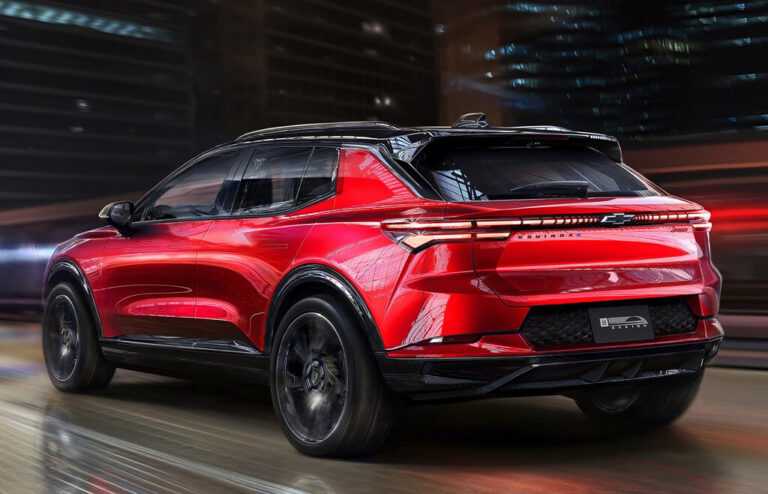
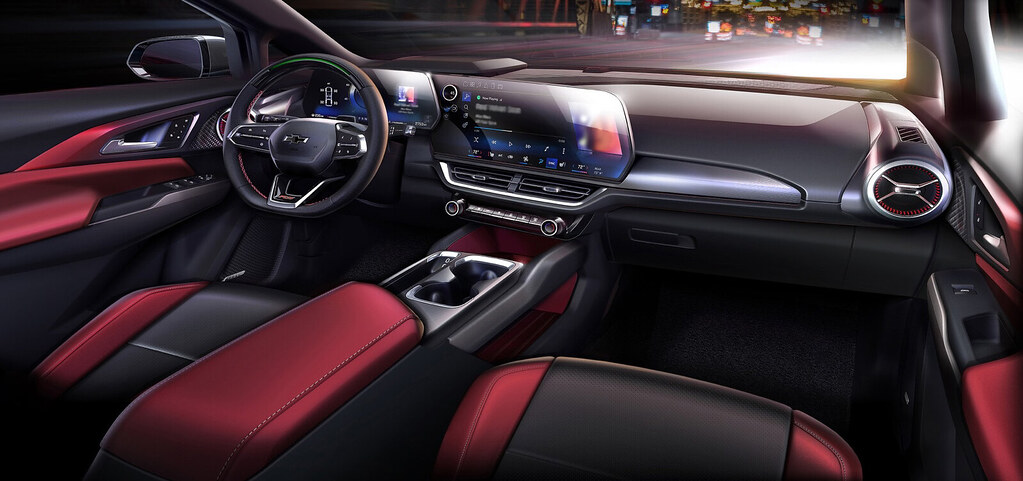
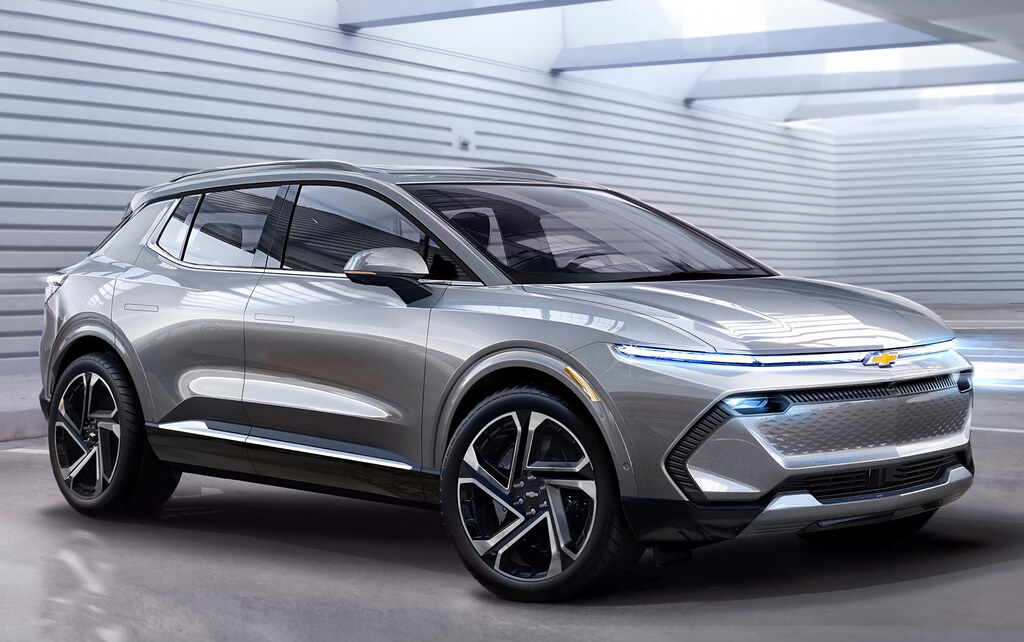
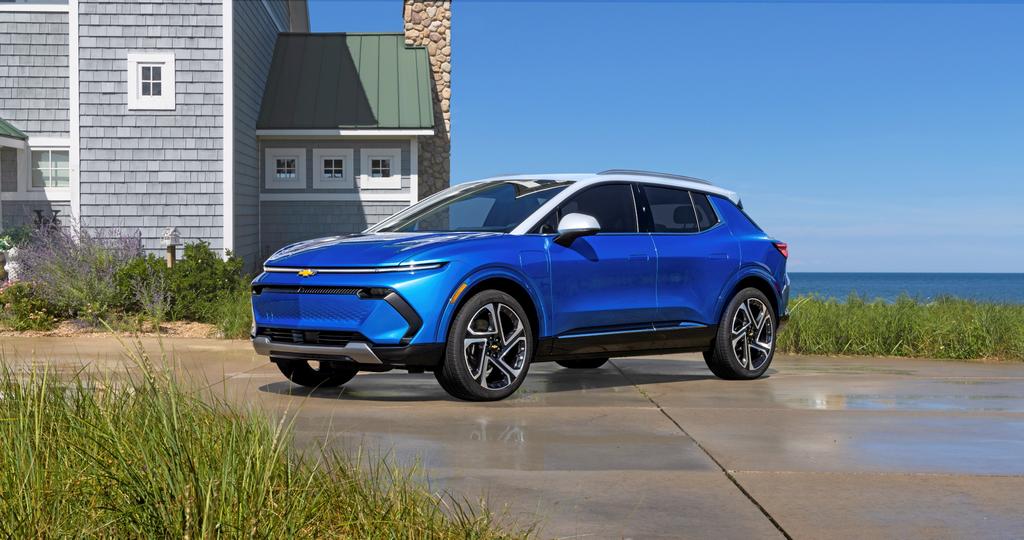
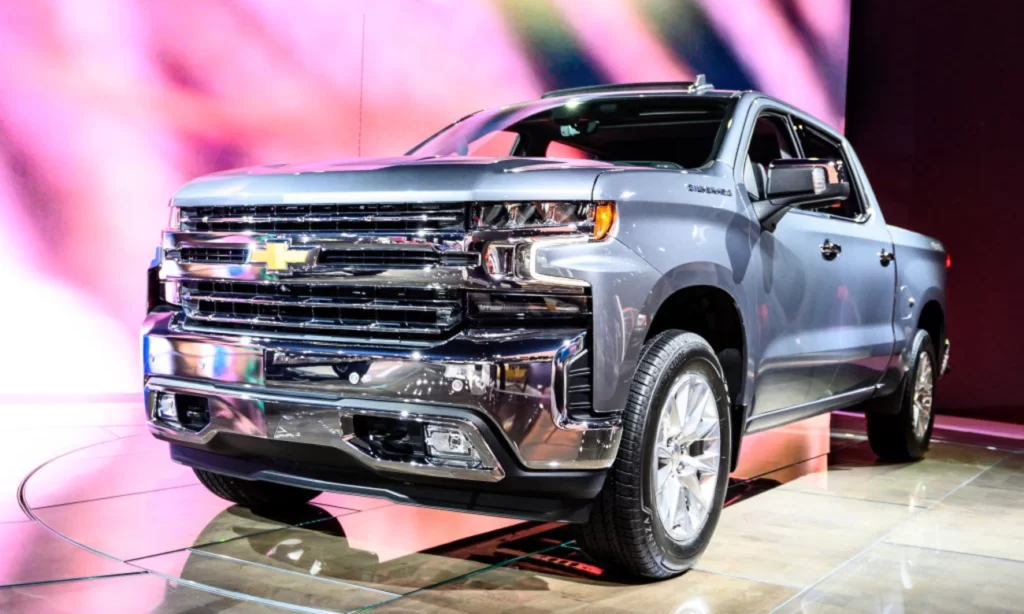
The Chevrolet Equinox EV, brand new for 2024, is the newest addition to the company’s expanding array of electric vehicles.
Only a few weeks after GM debuted the larger 2024 Chevrolet Blazer EV, the automaker has shown its own electric crossover SUV. The Chevrolet Equinox is a popular vehicle, with yearly sales numbers second only to the Silverado pickup. An all-electric Silverado is in the works and is scheduled for release by the end of 2023.
Although the electrified Equinox takes its title and some design ideas from the gas-powered Equinox small SUV, it will be operated by GM’s Ultrium battery architecture like the bigger Blazer EV and halo cars like the Cadillac Lyriq and GMC Hummer EV. (The Bolt EV and EUV, Chevrolet’s two EV alternatives, have an older battery arrangement.) The grille, like that of later Bolts, gives it a distinctively “electric appearance,” particularly at the front.
The smaller SUV, with its inexpensive starting price of roughly $30,000, two battery capacity choices, and potential range of up to 300 miles, is designed to attract buyers interested in electric vehicles beyond those who have already purchased a Chevy Bolt.
The 2024 Chevrolet Equinox EV may have a name with the small SUV of the same name, but that’s about all they have in similar. The primary distinction is that it runs on electricity rather of gasoline. The appearance of the Equinox EV is a stylish fusion of futuristic elements and a conventional multipurpose approach which is based. The base front-wheel-drive engine has 210 horsepower and can reportedly go around 250 kilometers on a single charge. When equipped with all-wheel drive, the Equinox EV’s 290 hp is significantly increased compared to the smaller Bolt EUV. A bigger battery pack included on higher trims allows for a range of up to 300 miles, albeit with all-wheel drive that number drops somewhat.
Using a broader, longer, and lower base—perfect for the electric car’s battery, which is located low in the chassis—designers Chevy have created what they describe as “expressive design” inspired by 1960s Americana. The broader brow line is emphasized with a two-tone roof design.
Electric lineage is broadcast by the reduced overhang and sturdy front grille. To accommodate the Ultium battery design, the electric Equinox is 9 inches bigger and 3 inches larger than the gas-powered equivalent.
Doors with flush knobs and a distinct layout from the gas model’s side panels make this model the main point. The new Equinox is more aerodynamic and has a sportier appearance and attitude than the previous generation, yet it still seems like a good choice for a family.
The base model comes with 210 hp and 242 lb-ft of torque via the front-wheel-drive system. The power of the all-wheel-drive variant, which has two motors, increases to 290 horsepower, with 346 lb-ft of torque.
Chevy hasn’t released details on the battery’s capacity, but it has said that the “standard” battery found in the entry-level model would be joined by a more powerful battery with an increased range in the future.
A full charge for the Equinox EV can be added in about 10 minutes, giving it an additional 70 miles of range. Adding 34 mph at the regular charge rate.
The Equinox EV will be available in many trim levels, beginning with the LT and RS. Black with blue interiors or gray will be available for the LT, while black with red or an all-red inside will be available for the RS.
The 1LT’s basic FWD technology and 250-mile range are made possible by the smaller battery. The 1LT with the larger battery will have a range of 280 or 300 miles, depending on the drivetrain.
The lineup is completed by the 2LT, 2RS (and a special launch edition 2RS version), 3LT, and 3RS, the latter of which rides on 21-inch aluminum wheels. For a more retro two-tone appearance, choose between a white or black roof on the 2LT or 2RS.
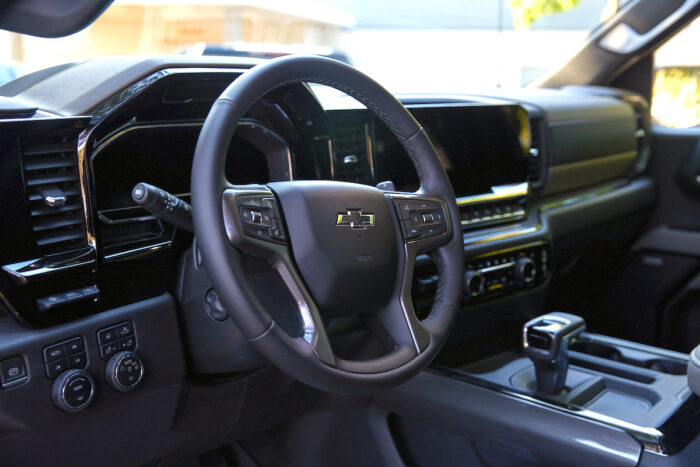
GM’s new Ultifi electrical system will power the Equinox EV’s technology and entertainment features, much as it does in the Blazer EV.
The Super Cruise hands-free driving technology from General Motors, in addition to a 17.7-inch tablet and a head-up monitor, will be optional on all trims above the base 1LT. The display at the base will measure 11 inches.
In addition to the highway-specific Super Cruise driver assistance, the upper models come standard with adaptive cruise control, HD 360 cameras, a powered liftgate, and heated seats.
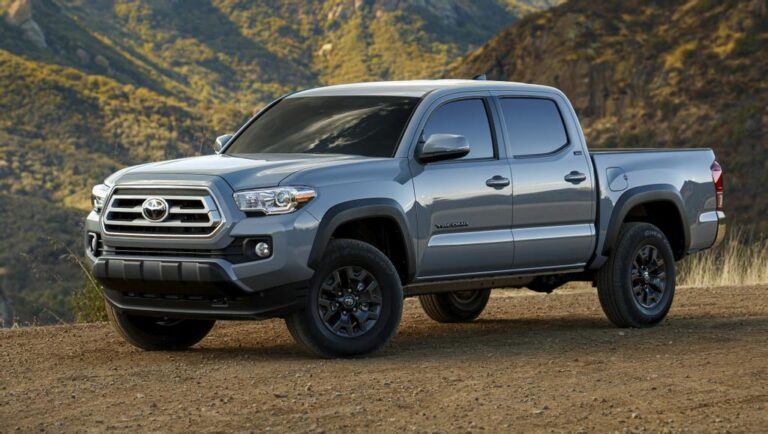
The Toyota Tacoma has been the best-selling compact/midsize pickup truck since 2008, and it comes in a broad variety of trim levels and body styles, from the most basic work vehicle to off-roading monsters and even some upscale trims. There are two different body designs to choose from: the Access Cab, with its rear-hinged rear doors and folding jump seats, and the Double Cab, with its four conventional doors and the three-seat rear bench. If properly outfitted, the Tacoma can tow up to 6,800 pounds. The Chevrolet Colorado, GMC Canyon, and Nissan Frontier are all rivals. Toyota sold many other compact trucks in the States before Tacoma.
Though Toyota didn’t begin with a blank slate, the 2016 Tacoma features numerous improvements over its predecessors. These include a more assertive front fascia, a new V-6 engine, a six-speed automatic transmission, revised suspension settings, and high-strength steel throughout the vehicle’s frame and body. Improvements were made to the inside as well, and a place to attach a GoPro camera was made accessible. Automatic emergency braking, lane departure warning with sway warning, and adaptive cruise control were made standard in 2018, while a TRD Pro variant with enhanced off-road performance was introduced in 2017.
Even though there is a brand new Tundra for the 2018 model year, Toyota isn’t making many improvements to Tacoma until 2023. Keyless entry is now standard on SR5 cars with the V-6 engine, and Toyota has introduced additional packages and a new color choice for the TRD Pro variant. The Tacoma goes up against other midsize trucks such as the Ford Ranger, Chevrolet Colorado, and Nissan Frontier.
Iconic What’s New arrow
Obtainable in a Chrome trim level with 18-inch alloy wheels
Available as a blacked-out SX package for the SR5 trim
The SR5 model with the V-6 engine now comes standard with keyless entry, and the TRD Pro model now comes in Solar Octane paint.
The Toyota Tacoma continues to dominate the midsize truck market long after it first hit the market. The Tacoma has excellent resale value because of its attractive design, its ample off-road prowess, and Toyota’s stellar reputation for durability. But Tacoma has its flaws too.
The inside is cramped and poorly designed, making it difficult for us to relax there. Even if you upgrade to the TRD Pro and its Fox shocks, the ride quality will still be rough. The dynamics of driving are also sloppy. Neither of the two engines is particularly noteworthy, and the automatic gearbox is a throwback that often fails to choose the correct gear. The Chevrolet Colorado is a more polished option.
The Tacoma can pull as much as 6800 pounds with rear-wheel drive and as little as 6500 pounds with four-wheel drive. The Tacoma’s maximum payload capacity of 1685 pounds is limited to two-wheel drive vehicles equipped with the four-cylinder engine; customers who choose the four-wheel drive and the V-6 engine will be stuck with much-reduced capabilities.
Although it scores only moderately in crash tests, the Tacoma offers the highest level of standard driver-aid features in its class. The Ridgeline still performs better in this category than its competitors, due to its stellar performance in crash tests, but the midsize Toyota has superior technology.
Toyota deserves credit for equipping every Tacoma with standard touchscreen infotainment. All subsequent models and editions have an 8.0-inch display, while the basic model’s screen measures in at 7.0 inches. The business has also added support for Apple CarPlay and Android Auto, which should make using the system easier than before. The Tacoma has multiple USB ports and a wireless charging system, although it lacks a mobile hotspot compared to its competitors.
As a result of its strong performance in the Compact Pickup Trucks category, the 2023 Toyota Tacoma has been ranked as the sixth-best vehicle overall. At this time, the Toyota Tacoma has a score of 7.3 out of 10 which we arrived at by tallying up 41 pieces of information from a variety of sources.
Dodge dealers may take better care of their Dodges
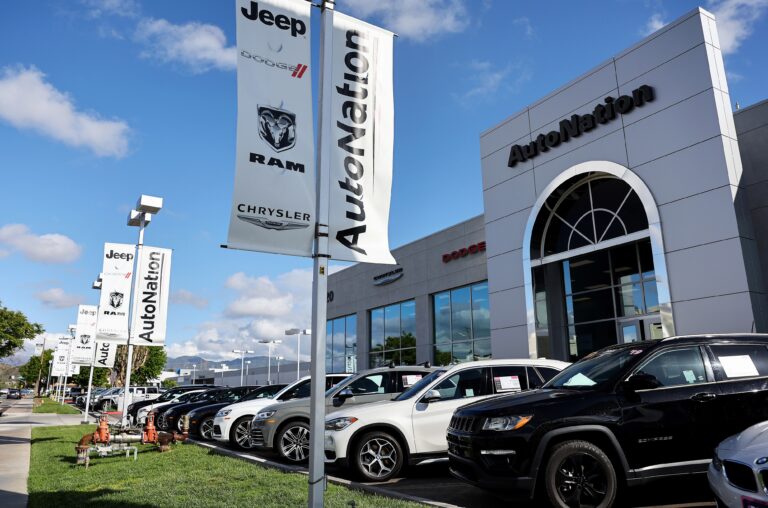
Listed here are five methods that dodge dealers may take better care of their Dodges. Caring for and maintaining your Dodge properly should be a high priority if you really value it. It’s not as difficult as it may appear at first. As long as you give your Dodge some TLC, it will serve you well for many more generations to come.
The convenience of having a partner in car maintenance makes owning a Dodge that much more appealing. Your car needs regular repairs and inspections, so take it to a reliable mechanic. This is why customers in the Highland Park area should visit the dependable service professionals at Bill Snethkamp CDJR. You may rest easy knowing that we will take your vehicle’s care while you focus on more important matters.
Be sure to wash and wax the car
Cleaning your car regularly may not seem like a big deal, but it really helps preserve the paint job. Maintaining a consistent routine of washing and waxing is essential if you want your car to continue to appear as good as it performs. Waxing will provide a barrier between the environment and your finish, and washing will remove any corrosive substances.
Proper Tire Maintenance
One of the most crucial responsibilities you have as a car owner is maintaining your tires. Problems with neglected tires increase, increasing the likelihood of being stranded or involved in an accident. Always keep an eye on your tire pressure and make any necessary adjustments. Tire tread wear is another indicator that it’s time to change your tires. Maintaining healthy tires makes a significant difference in vehicle reliability.
shield against weather conditions
It’s important to take care of and prepare your car for each season. The wear and tear on your car might be magnified in the face of severe weather. To combat this, make seasonal maintenance and care a priority. Besides protecting your car from the heat and driving safely in bad weather, you need also to get your car ready for winter driving.
mind the insides!
In spite of its importance, the inside of a vehicle is often neglected. This is a crucial element of car maintenance that may be performed by the owner. Take the time to clean and check the inside of your car on a regular basis. To keep your car inside in pristine condition, use only products approved for use on its specific materials.
The plethora of systems, components, and jargon you may encounter while getting auto repairs might be overwhelming. Since there is room for misunderstanding, we’ve compiled a list of helpful hints to keep in mind while deciding where to take your Dodge for maintenance.
Here Are Three Things You Can Do to Improve Your Dodge Dealership’s Service
purchase a car repair manual.
You know that every automobile has an owner’s handbook that explains how everything in the car works. You may not be aware, though, that you can purchase a service handbook to learn even more about maintaining your vehicle. Having one of these guides might help you understand what is involved in taking your car in for routine maintenance or any specialty services it may need.
Arrange sure the services provided correspond to your requirements by bringing this with you when you make your appointment. Don’t forget to bring the manual with you to the dealership to verify the details you’ve been given. When the service department sees you have this, they will likely think you have already done some preliminary research on the issue and know exactly what needs to be done.
In search of a Service Advisor, Step 2 With Whom Do You Have to Deal
If you’ve ever driven your car to a local garage for service, you know that having your queries answered might be hit-or-miss. You bring your car in for maintenance, phone back a few hours later to find out where things stand, and end up talking to no less than four different persons before you get the information you need.
Each customer is assigned a service adviser at their local Dodge dealership who will see to their every need during the whole repair process. Take some time to evaluate the quality of service you are receiving from this individual. If you’re satisfied with their work, you should insist on having them work on your automobile again and again. In that way, you may get in touch with someone who is familiar with both you and your vehicle.
Keep Current on Service Options
To help you save money, dealerships often run sales on services and components. Subscribing to the dealership’s email list is a better use of your time than spending your free time looking for these discounts on a regular basis. If you do this, you may save money on the routine maintenance your automobile requires by receiving frequent notifications of sales and discounts.
The sports pickup truck, or SUV, has pummelled its way to car dominance with a heady combination of convenience and marketing force, expanding from the central belt of the US to a younger breed of eager purchasers in China to rule even the twisty, frontage roads of Europe. Because there are massive automobiles that have ruled the planet.
The quick ascent of the sport utility vehicle (SUV) to the position of the world’s most popular automobile has resulted in widespread changes that are just now becoming apparent, such as in urban lifestyle, air quality, pedestrian safety, and parking.
A growing body of evidence suggests, however, that SUVs are having their greatest effect within the context of the climate catastrophe, where their meteoric rise in popularity is giving rise to a massive new source of emissions that are heating up the world.
The International Energy Agency (IEA) uncovered a discovery last year that surprised even IEA staff. Over the last decade, SUVs have been the second-biggest contributor to the worldwide increase in carbon dioxide emissions, surpassing shipping, aviation, heavy industries, and even trucks.
A massive and rising cause of the climate issue has crept up nearly undetected around us, despite the efforts of climate activists to throw themselves in the route of new oil pipelines and heap enough guilt on traveling that flygskam, or “flight shame,” has spread from Sweden throughout the globe.
The increasing popularity of sport utility vehicles worldwide complicates attempts to limit emissions, said Fatih Birol, director general of the International Energy Agency.
In 2019, SUV sales surged beyond 40% of the global market, a previously unachievable level. More than 200 million sport utility vehicles (SUVs) now roam the world’s streets, car parks, and basements, eight times as many as decades ago. While SUV sales have increased steadily over the previous decade in the UK, in Germany, last year, SUVs accounted for 30 percent of all new vehicle registrations.
SUVs, which combine the bulk of an adult rhinoceros with the aerodynamics of a fridge, are more energy-intensive to operate and produce more carbon dioxide than smaller vehicles. This has the effect of canceling out the automotive industry’s climate gains from increased fuel efficiency and the emergence of the electric vehicle market.
The sport utility vehicle (SUV) has evolved from a powerhouse that carried tools or was used for rough off-road driving to becoming the standard for families idling about the suburbs and even for those in the heart of densely crowded cities. The Jeep Cherokee of 1984, a boxy, utilitarian product often regarded as the first SUV, produced descendants ranging from the tiny Kia Sportage to the luxurious Mercedes ML, demonstrating how the style and price of SUVs broadened to suit all preferences.
Although half of all trips taken in the United States are banal trips of under 3 kilometers to run errands rather than elevated excursions in the Rocky Mountains, the sector found that American motorists enjoy the noble driving position of SUVs, in addition to the ability and the reassuring feel of protection their bulk offers. Many Americans find the rugged, self-reliant image that SUVs project to be appealing.
According to Stephanie Brinley, a senior automotive researcher at IHS Markit, “pretty much everybody now desires one.” “Sedans are so last century; SUVs are the new family cars of today.” Both millennials and boomers find them appealing. Automotive manufacturers recognized early on that Americans value portability highly.
Seeing advertisements for SUVs that depict a massive car-truck racing through city streets to take its owner to a yoga class or to get a coffee no longer comes off as shocking. Ford was so proud of the reintroduction of the Bronco—famous for being the vehicle in which O.J. Simpson evaded a convoy of police vehicles in 1994—that company released an eight-part audio series.
According to Harvey Miller, professor and head of the Center for Urban and Regional Analysis at The Ohio State University, “car corporations looked at characteristics that people appreciate, such as macho-ness, toughness, and security of the family, and exploited that.” These sport utility vehicles are named after mountains and other exotic locations you’ll never see. They engineered the market to trigger emotional responses in us.
We don’t purchase vehicles here,” Bloomberg’s Nat Bullard tweeted recently. We purchase SUVs with truck chassis and drive them like cars, and we buy trucks and treat them like passenger vehicles. Without a shadow of a doubt, the United States has become an SUV country, a shift with far-reaching effects on urban areas and the global environment.
Cars are an indispensable way of transport today. Millions of cars line up on roads every day, causing traffic jams and pollution. But it wasn’t always this way. Many years ago, people mostly used animals like donkeys, horses, and camels to get about faster. But in the fast-paced world of today, animals are not practical and simply not fast enough. So what is the history of the invention of cars, how was the first car invented, and how did it evolve into the smart vehicles we have today? Let’s take a ride back through the historical albums of automobile inventions to learn more!
The first invention of cars
The first car ever invented is very different from the car of today. It was powered by a steam engine and not gasoline. And it looked more like a carriage than a car. The first car was invented by Nicolas Cugnot in 1769. Interestingly, he is also responsible for the first-ever car accident as he accidentally drove one of his cars into a stone wall!
As you can imagine, the steam-powered car didn’t work very well. It was slow and expensive to maintain. Carl Benz was the first man to invent the gasoline-powered car in the 1870s. Benz’s car was called the Motorwagon, and it could go up to six miles per hour. If you were to ride a motor wagon today, it would look like something out of a slow-motion movie!
But before Benz, there was another inventor called Seigfried Marcus who built the internal combustion car, but his work was suppressed during both the world wars in Germany, and he is no longer credited for his invention today.
But the prototype car created by Carl Benz was the earliest example of the ‘modern’ automobile. The structure was used as a foundation for the 1901 Mercedes, which was designed by Wilhelm Maybach. This was the first car to be sold commercially, and it incorporated technologies like transmission, brake pedals, clutches, and accelerators.
The credit for when the first car was made in America is shared by Doctor J.W. Carhart, who invented the steam-powered car in 1871, and Frank and Charles Duryea, who invented the gasoline-powered car in 1893.
The evolution of the car industry
The car industry began with the invention of the first car in the 1870s and has grown into a massive industry today. Now there are many automobile manufacturers in America alone, vying for a place in the market. As much as we now have a long range of car types and models to choose from, there wasn’t much of a choice in cars some decades ago.
In the 20th century, there was a rising interest in motor vehicles. Many companies specializing in other businesses began to consider automobile production. One such company was Peugeot which was established in 1810 as a coffee milling business. However, history states that the first company to sell cars commercially to the public were Mercedes-Benz. The first car company in the United States was the Duryea Motor Wagon Company, but it is no longer in operation. And the Auto Car company, founded in 1897, is the oldest car business in America that is still in operation.
In the past, cars were only owned by very wealthy people of high social standing. Cars were rare and expensive. Seeing a car on the road was a moment of excitement and curiosity for the public, and many days would pass before a car would pass at all. But once factories began the mass production of cars, they steadily became accessible to all classes of people. In the early days of the car industry, the car manufacturer Ransom E. Olds dominated the American auto market. The Oldsmobile was then the most popular car in America.
Not long afterward, more American automobile companies began, like Cadillac, Winton, and Ford. It was only after Henry Ford, the inventor of the assembly line of the car, introduced the Model T that the dream of every American to own a car began to visualize. It was the first mass-produced car and sold more than 15 million units. The vehicle was affordable, and this, along with discoveries of large quantities of oil in Texas, cars were becoming common.
At that time, there was no threat of fuel depletion and no worry about global warming. So gasoline-powered cars ruled the streets in the 1920s, 1930s, and beyond. It was only in the 1960s that people began to consider alternatives to internal combustion cars. The first electric automobile was pioneered by Gustave Trouve in 1881.
Car trends of today
Today, gasoline-powered cars are becoming less popular, and more and more car manufacturers are focusing on electric and hybrid cars. Fully electric cars are probably the future of automobiles as fuel becomes more expensive and global warming increases. Hybrids are an ideal vehicle in terms of long-lastingness and fuel efficiency. But electric cars are still in the stage of development as they come with many challenges. We expect that technologists will come up with the perfect solutions to the problems with electric cars and give us fully evolved means of transport that are efficient and eco-friendly.
Cylinder deactivation is an intelligent technology system that prevents some cylinders of an internal combustion engine or ICE from taking in fuel and air while in use. Cylinder deactivation technology is also called cylinder-in-demand or CoD. You need to have some knowledge of how an internal combustion engine works in order to understand CoD. Here is a quick overview of internal combustion engines.
Internal Combustion Engines
Internal Combustion Engines are basically gasoline-powered engines. They burn gas and convert that energy into motion to turn the wheels. This happens by sucking a mixture of fuel and air into cylinders, where a moving piston then compresses the mixture in each cylinder. When this is compressed, the spark plug ignites the mixture, and this causes the piston to be pushed down again. The exhaust gases are pushed out through the valves. The up and down motion of the pistons is converted to rotary motion by the crankshaft.
How does cylinder deactivation work?
In reality, internal combustion engines are not very energy efficient. They burn more energy than they would use, making you spend more on fuel and causing too many greenhouse gases. So cylinder deactivation technology is an attempt to reduce fuel inefficiency and gasoline combustion.
Cylinder deactivation happens when the car detects all the unnecessary fuel combustion and a cylinder deactivation solenoid valve kicks in to prevent fuel and air from entering the cylinder. So combustion does not occur in some cylinders resulting in less fuel burnt overall. For example, a typical 4.0 liter V8 cylinder will function as a 2.0 liter V4.
But when you are cruising down a highway, is this reduced combustion enough? A small amount of combustion is not sufficient for large engines, so engines with cylinder deactivation technology will temporarily reduce their engine size by up to 25% under certain driving conditions. This capability is known as a variable displacement engine.
The cylinder deactivation system is controlled by the engine control unit of the vehicle and cannot be switched o and off by the driver manually. The unit determines the fuel distribution and mixture strength and is activated when various parameters are met. Most often, the driver is unaware of the transition unless when noticing the indicator on the dashboard.
Advantages of the cylinder deactivation technology
Advantages of the cylinder deactivation technology in a car include an increased efficacy of fuel and thereby reducing fuel cost. It also means a cleaner carbon footprint and reduced emissions. There is less wastage of fuel and an optimized airflow in the engine at low load.
Disadvantages of cylinder deactivation technology.
This technology is very advanced in modern cars today. Yet they do pose a few problems. The system is limited in terms of what combination of cylinders can be shut off without upsetting the balance of the engine and causing unnecessary noise or vibration. So a typical engine using cylinder deactivation will cause more noise pollution and vibration than other cars. However, this problem may be atoned with engine mountings, flywheels, and vibration dampers. The Volkswagon group uses noise cancellation technology to reduce this effect in its 4.0-liter V8 engine.
Some engines can suck in excessive oil from the crankshaft housing through the cylinder deactivation system’s pressure relive valve. Check the PVC system for oil deposits, as it is evidence that your engine might have this problem. Sometimes this leads to fouled spark plugs that cause poor running and make the engine difficult to start.
Which cars have this technology?
Many automobile companies use cylinder deactivation technology for increased efficiency of their cars. The Volkswagen group was the first to apply this technology on a four-cylinder engine. Other companies are General motors, Stellantis, Mazda, Honda, and Ford.
Summary
Cylinder deactivation technology is a good alternative to reduce fuel inefficiency and reduce emissions from internal combustion engines. Yet, this system needs some revision and is likely not to be very much in use, as the attention of car manufacturers is diverting to Electric Vehicles and Hybrids.
Are you looking for a more eco-friendly alternative to internal combustion cars? Read and learn all about hybrids and why they are taking over the market today.
For most people, purchasing a vehicle is not easy financially. The money spent is a major part of their savings because vehicles are expensive. Not everyone has the capacity to buy a vehicle and realize it’s not right for them, and run to the store to buy another. So it’s always wise to inspect the car carefully before you buy and make sure that it’s the best value for your money.
There is a multitude of factors to consider before buying a car. And unfortunately, the price tag is not the only thing you must consider. Buying new cars from a car company is relatively easier than buying a used car. Because for new cars, you can consider reviews and advice of a technician and the reputation of the company before buying. But for used cars, well, you have to turn the inside out and consider every fault and repair before deciding to buy.
But how can a buyer select cars if they know nothing about them? Most consumers know how to drive a car and can select a car color or model based on their preferences. Most of us are not car experts, so the smartest choice is to hire a car specialist to inspect the car for us. Yes, that would cost you. But considering the potential cost of repairs from buying a faulty, a certified automotive technician is a good investment.
Inspecting a car thoroughly before a purchase has many benefits. If the inspection proves the car is not worth the stated price, then you can easily back off from the purchase, or you can use the report to negotiate for a lower price. Most sellers will agree to a pre-purchase car inspection, but if they hesitate the, beware that something could be wrong.
It’s always better to hire a technician who is ASE-certified and someone who you already have a good relationship with. Having the car inspected by a professional will help you know the good and the bad of the car in depth and makes you more familiar with its functioning. An automotive expert would verify the functioning of the equipment and options in the car, would check the tire wear and potential repairs, and can reveal hidden problems on the body, frame, or engine. It also builds confidence in the value of the vehicle.
The Pre-purchase car inspection
A pre-purchase car inspection would typically cost between $100 -$200. Most repair garages or professional inspectors will give you a written description of the number of points covered with a detailed description of how it is done.
Pre-purchase car inspections take time. The process lasts for 45-90 minutes or more. Pre-purchase car inspections can also be done in a garage. This is better than mobile inspectors, as garages have lifts to check the underside of the car for fluid leaks.
The inspection includes a test drive. The test drive should ideally have a route that has hills, bumps, and potholes so the car can be tested for engine performance and suspension issues. It also includes monitor checks for the sensitivity of dashboard warning lights and sensors. Further, there are system checks with the battery, charging, exhaust, lights, ignition, HVAC, radiator, and cooling.
Mechanical checks include steering linkage, hoses and belts, suspension components, and check for fluid leaks. Tires, brake systems, glass, and windshield wipers are also checked.
When choosing an inspector, make sure they are a third party. Dealers may have a bias in hiding flaws. So choose a technician who is independent. Focus on inspectors who make pre-purchase car inspections for a living. Make sure the vehicle is inspected thoroughly. Don’t go for shortcuts.
Finally, have the inspection report documented. Get a high-quality report from a high-quality inspector and not just a checklist with a few marks. Transparency is important in all industries.
There are many online car-selling sites. But these have many potential problems. If the car you wish to buy is somewhere far from you, you can have an inspection arranged, and the report sent to you. Of course, do not appoint an inspector recommended by the seller. There are many inspection services, like Alliance Inspection Management and Automobile Inspections, that specialize in long-distance inspections.
However, these reports do not guarantee a 100% flawless inspection. But a trained eye can catch a lot more than a typical car buyer. Try to find an inspecting agency that offers a warranty for their inspection.
In conclusion
Although you have to spend more money for a pre-purchase car inspection, a professional inspection has many benefits, like exposing hidden flaws or giving you more confidence in your purchase. A few hours and a few hundred dollars are better insurance against potential vehicle repairs that can cost you thousands! So make sure you always inspect your car by a professional before buying.
The specialty of hybrids is that it combines at least one electric motor with a gasoline engine to power movement. The system recaptures energy through regenerative braking. Sometimes the electric motor does all the work, or at other times it is the gas engine. Or sometimes they work together. The result is that you have a car that is very efficient on fuel.
Only a decade ago, there were two hybrids available in the U.S. market. But today, due to increasing demand, there are up to 50 different hybrid models. Hybrids are popular as they are high-tech, cost-effective on fuel, and have a much cleaner carbon footprint than only gasoline powered cars. But is buying a hybrid really worth it? What are the cost savings of a hybrid, and how can they be calculated? Read on for the answers.
Hybrids may save you money from gas, but they come at a much higher price than regular gasoline cars. So the question is, does the additional cost cover-up? The answer depends on each vehicle. The price difference in some vehicles is high, and still, others are quite cheap for a hybrid. In order to calculate your total cost savings of a hybrid, you must take into consideration many of the prices of the vehicle vs. gasoline cars, the maintenance costs of hybrids, and the fuel costs as compared to gasoline-only cars and then estimate your savings.
The cost of a hybrid
Many types of hybrids, like SUVs, trucks, and plug-in hybrids, can cost at least $3000 to $13,000 more than gasoline-only versions of the same model. There are, however, a few cars, like the 2013 Mercedes-Benz S400 Hybrid sedan, that are less expensive than their gasoline counterparts. And the 2013 Lincoln MKZ hybrid and the 2013 Buick Regal Hybrid are the same as gasoline cars of the same model.
But both the 2013 Volkswagen Touareg Hybrid SUV and Audi Q5 Hybrid SUV cost more than $13,000 than gasoline cars of the same. And on the extreme end, the LS 600h L hybrid is $25,000 higher than the same gasoline-only Lexus LS 460L.
Additional benefits
But the plus side is that plug-in hybrids are eligible for the federal tax credit. The credit provides a dollar-for-dollar reduction in the owner’s tax bill. Most of them have a credit of $2500-$3750 or even higher, depending on the size of the vehicle battery. A list of vehicles that qualify for the tax credit is available on the Department of Energy’s website.
Moreover, some insurance companies like Farmers Insurance and Travelers Insurance charge a lower premium for hybrids as they believe that hybrids are less prone to accidents than non-hybrids. But this is not the case with all companies, so look around before you decide on an insurance cover.
With regard to battery life and repairs, most find hybrids of sufficient quality. Unlike fully electric vehicles that have quite a low battery life and high costs to replace, hybrid batteries last much longer and are much more sturdy. Hybrid vehicles also come with a warranty for 8-10 years (100,000-150,000 miles), so battery replacement should not be a worry or potential cost for at least the first 10-15years after purchase.
Overall maintenance of hybrid vehicles is not significantly higher than gasoline-powered cars. Hybrid-specific components do not need any extra maintenance. Maintenance is the same as gasoline cars, like regular tune-ups and engine maintenance every 5000-10,000 miles.
Another benefit of hybrid vehicles is that since their regenerative brake system wears mostly in mechanical brakes, so their brake pads last much longer than typical gasoline-powered cars.
Calculate the fuel cost
Always compare your hybrid with a non-hybrid version of the same model. For example, a Toyota RAV4 gasoline-powered car cost $25,950 in 2020, and a similar hybrid version cost $28 350. How long would it take to cover the difference of $2400 in fuel? You can head over to fueleconomy.gov to find the annual fuel intake per car. RAV4 is 30mpg, and RAV4 hybrid is 40mpg. Then take, estimate the number of miles you would drive in a year and divide it by the mpg numbers.
For example, 20,000 miles divided by 40mpg is 500 gallons a year. Then multiply this sum by the price of a gallon. So 500 gallons into an average of $3 would cost $1500 per year for fuel. When you do the same for the gasoline car, it would cost $2000 per year. So there is an average saving of $500 per year. This means that it would take up to five years for you to pay off that premium on hybrid vehicles.
The price of gasoline varies in every state and every year. Take that into consideration, and with rising fuel prices, you will most probably be paying it off sooner than you think.
The fuel efficiency of Hybrid: The major Advantage
The sole purpose of a hybrid vehicle is to reduce the fuel consumption rate of vehicles and reduce the overall carbon footprint. Hybrids are very successful in this regard. But mileage varies with every car for a variety of reasons.
Hybrid vehicles are most efficient on fuel when they are at low speeds and in stop-and-go conditions. This is when the electric drive system does a lot of work. But at sustained highway speeds, the hybrid advantage reduces drastically.
Thus, even if the EPA rates each vehicle’s fuel consumption rates, it could easily be higher depending on the type of driving and other factors like hard braking, quick acceleration, cargo loads, and use of air-conditioning. So EPA fuel economy ratings should be seen as a minimal guide and never as a promise. Yet, it is undeniable that hybrids require much less fuel than only gasoline cars. The difference is more significant in some models more than others.
A typical gasoline-powered car is not very fuel efficient. Only about 25% of the fuel they burn is used to turn wheels. But a hybrid uses a smaller gas engine than a gasoline car and augments with an electric drive system to deliver extra power without using up too much gasoline. The car generates its own electricity to recharge its batteries through the gas engine, though plug-in hybrids are different. And as opposed to electric vehicles, there are problems with range. Hybrid will keep going as long as there is gasoline.
Summary
Overall the increased cost of buying hybrids is offset by reduced fuel consumption and discounted insurance rates. But it depends on your type of vehicle, your driving habits, and your insurer. It is estimated that a third of hybrid models in the market will earn back their price premiums in less than five years through their fuel savings.
So if you are looking for a practical and cost-effective car, hybrids are your best option. Spending extra to buy a hybrid is smart due to rising fuel prices. The higher the gas prices, the quicker and the bigger your cost benefits are in owning a hybrid. You also have to visit the gas station less. And moreover, while saving money, you can congratulate yourself on your green credentials and help to save the planet through reduced emissions.
You might not have thought that checking tire pressure is not important. But it is. Maintaining good tire pressure at all times is crucial not only for smooth driving and the well-being of your car but also for road safety for you and everyone else on the road. Tires are filled with air. And with less air inside, they would crumple up like a paper bag. Driving a car with tires that are low on pressure is very dangerous. It’ll start developing friction and rolls into the sidewall. The pressure of the tire determines the tire’s height, and driving at low pressure will cause a skid when taking turns.
Properly inflated tires play a big role in safety, better mileage and efficiency, better quality ride, and tire wear. Tires will last longer if you maintain their pressure well. It also gives you the efficiency of fuel, so maintaining good tire pressure is economical too. Running the tire pressure at the recommended levels can save you up to two weeks of extra fuel as opposed to driving with low pressure. Incorrect tire pressure can lead to uneven tire wear and poor mileage.
Checking tire pressure is quite easy in modern vehicles where they have a tire monitoring system inbuilt in cars. But if your car is older than 2007, then you probably don’t have this system and must check the tire pressure manually. It’s best to keep a tire pressure gauge in your vehicle. The ideal tire pressure level is written on a sticker on your driver’s side.
How often should you check the pressure?
It’s always a good practice to check the tire pressure every time you stop for gas. But otherwise, you should check them every two weeks. But how often you should check depends on many factors.
Cold weather affects tire pressure. So during winter, you should be checking your car at least once a week. Usually, for every ten degrees of a drop in temperature, your tire pressure would drop too by a pound. Some manufacturers recommend to higher the tire pressure during winter as a result. Tire pressure is also very important in bad weather conditions.
Tire Pressure Monitoring System
You might have heard of the tire pressure monitoring system or TPMS. This is a system designed to control tire pressure and reduce vehicle emissions and safety. And this is installed in modern cars. This system will inform the driver as soon as the pressure of tires reduces by 25% of the recommended pressure for the type of vehicle and tire. Through this system, drivers can stop in time to pump air, and it also informs how urgent the tire pressure needs to be regulated.
There are two types of TPS. Direct TPMS have sensors installed inside the wheels or tires. Indirect systems calculate tire pressure based on differences in volume and speed of rotation of tires. Direct systems are much more reliable and accurate but can be prone to false alarms.
If you don’t have an inbuilt TPMS, then you have to check the tire pressure manually.
How to check the tire pressure?
Check your tire pressure using a tire pressure gauge. It’s best to check your tires when they are cold, before driving, or a couple of hours after they are driven. Firstly, check the ideal pressure required for your car as mentioned inside the driver’s door or owner’s manual. Sometimes, this sticker may be inside the fuel door.
Then, place the gauge over the valve stem on the tire. Press the button for reading if it’s a digital gauge. If it’s a pencil-style gauge, it will read automatically. If you are hearing a hissing sound, then then the gauge is not placed properly, so reposition it so that it’s parallel to the valve stem.
Compare the readings with the required tire pressure. If your reading is too much, then you have too much air. Let it out by pressing the middle of the valve stem until you reach the required level. If the tire pressure is too low, then add more air until you reach the best pressure. Do not compare your readings to the pressure stated on your tires.
If you do not own an air pump at home, then you can use a coin-operated pump from the gas station. Place the tip of the hose over the valve stem of the tire firmly. If the pressure of the tires is very low, it may take a few minutes to fill them. If not, it should not last more than 30 seconds. Pull the hose away once done. Check the pressure again. If you have too much, let out air till the pressure is just right.
Summary
Always make sure to check your tires as often as you can, or at least once a week or once in two weeks, depending on the weather. It’s good practice to check the tire pressure every time you stop for gas. Maintaining good tire pressure contributes to safe driving, fuel efficiency, and more long-lasting tires.
Why is your car smoking? Read this for information on why your car is smoking and what to do when that happens.
Seeing smoke from your car is not fun. If you don’t know why it’s happening, you may be stranded on the road, afraid to get in. You may think your car is going to blow up. So why is the car smoking? What does it mean? What should you do? It helps to be informed in such situations, so read on.
Why is the car smoking?
The first thing to do when your car is smoking from underneath the hood is to check the thermostat. Check if you have overheated the car. If overheating is not the problem, then there should be other problems.
If your car is smoking but not overheating, it could mean a blown head gasket, water in the gas tank, thin oil, or a bad oxygen sensor.
1. A blown head gasket
The head gasket seals the engine block and cylinder head. So a blown head gasket is one of the most common reasons for smoking. If blown, it can cause coolant or oil to leak into the combustion chamber. This can cause smoking without necessarily overheating.
A blown head gasket is usually indicated by white smoke from under the hood or tailpipe. Or the smoke can also be blue.
2. Water in the gas tank
Did you accidentally put water into the gas tank instead of gasoline? Your car can smoke because of that. And also, if your car is very old and the gas tank is rusted, it may have allowed water to seep in, hence the smoking car. This is not good for your car, and you may have to fix the problem soon.
If the water in the gas tank is the problem, there could be white smoke from the exhaust. Water in gas tanks leads to corrosion and the engine to turn bad, so get the problem fixed immediately.
3. Thin oil
You may have used the wrong type of oil in your car. Or you may not have changed the oil often enough. If the oil is too thin, then the engine will overheat and cause the car to smoke.
4. Oxygen sensor
The oxygen sensor is responsible for monitoring the oxygen levels of your exhaust. So if it’s not working properly, your car can start smoking. If this happens, there is usually a check engine light shown.
5. A clogged engine
Bad quality gas contains water and other pollutants that can clog the engine and cause smoking. So it’s important to use good quality oil. Some good quality oil contains additives that prevent the engine clogging and helps clean debris. Please refer to this article for more information.
6. A dirty oil filter
A dirty oil filter will not allow the engine to get the proper amount of oil. And this would cause the engine to smoke.
7. An oil leak
If your car is smoking due to an oil leak, you may either notice oil on the ground where your car is parked or engine noise. Check the engine light. If it’s an oil leak, get the car to a mechanic soon.
The problem can sometimes be identified by the color of the smoke. If the car is smoking from under the hood and the smoke is white, it could be the coolant leaking. If the smoke is black, then it is an electrical failure or burned wire. Black smoke is also caused by the inefficient burning of raw fuel.
White smoke from the tailpipe can mean a broken head gasket but black smoke from the tailpipe is not indicative of a severe problem. It could mean a clogged air filter or a clogged fuel injector.
Blue or grey exhaust smoke can be caused by worn pistons, damaged seals, faulty PCV valves, or inlet manifold leaks.
How to prevent car smoking?
The best way to prevent the car from smoking is to get quality service done for your car regularly. This could fix potential problems. Car mechanics check for oil leaks and the stability of oxygen sensors. Also, be mindful of the type of oil you use.
What should you do when your car is smoking?
Your car smoking is not normal and indicates an urgent problem. If your car is smoking, do not continue driving. Pull over immediately, turn the hazard lights on, remove passengers and assess the situation. Check if any warning lights have turned on or if the thermostat has overheated.
Call a road service and have the car towed to the nearest mechanic. Because a smoking car can overheat, causing a fire.
If you do notice fire, turn off the engine and pop the hood. Move away from the car by at least 100 feet and call the fire department.
Take your car to a mechanic as soon as possible, or it would cause bigger problems for your car. Some may think that it is normal for cars to smoke in the mornings, especially when it’s cold. But it’s not. And if you notice white smoke from the exhaust, take the car to a mechanic right away and have the underlying problem fixed.
Conclusion
Whenever you see your car smoking, it means there is an issue that has to be fixed immediately. So take the car to a mechanic as soon as possible. Prevent your car smoking by regular car service. Always make sure to use good-quality gas. Change the oil regularly and always check for oil leaks. Don’t try to fix smoking cars by yourself. A smoking car can be a dangerous fire hazard.
Ants have an incorrigible habit of getting in uninvited to places you don’t want them. And once they make themselves at home, they are difficult to remove.
Why remove ants from your car?
You may wonder why you can’t just let them be because they are living things, too, and need a home. It’s very noble of you to respect them like that. But unfortunately, they wouldn’t return the sentiments. In fact, the ants in your car can cause some serious damage. So before things get worse, it would be much wiser for you to show them out.
If you find a lot of ants inside your car, chances are that they have made their home there. This means they’ll also be going in and out to fetch food and water. Or worse, they might have discovered a source of food somewhere inside. Not only do ant build-ups smell bad for your car, but they can gnaw through wood, insulation, foam, and surprisingly, even wires. In addition, when you are driving, the last thing you want is an ant couple taking a stroll up your legs. The discomfort and shock from an ant bite can cause serious disturbances to you or other passengers while driving.
FUN FACT Ants don’t have ears, and some don’t have eyes. Ants ‘listen’ by feeling vibrations from the ground through their feet and can communicate through their antennae! So don’t ever catch yourself shouting out to ants.
There are many types of ants that get into cars depending on your local species. Some common ants are black ants, carpenter ants, odorous ants, fire ants, and pavement ants. It may help you to know a little about them, so you know who you are dealing with. Not all ants eat sugary food. Some like protein diets, and others are not so picky. They would eat up anything they find in your car.
Very importantly, do not leave food or food particles in your car. Because that is probably why they got in, in the first place, scout ants are very good at smelling out sources of food, and once they discover a good supply in your car, they will leave a scent trail of pheromones for worker ants. Next is a grand food delivery service for the ant colony!
Steps to remove ants from your car
Park somewhere else
Changing the location will throw off ants more ants coming in. Check if your ant was parked close to an ant hill or trees. Ants can move pretty fast, but when the food source is closer to their homes, they will get in easier. Move the car a good distance away from where it was parked because ants can smell the pheromone trail from far. In addition, it encourages the ants in your car to get out after the food source is depleted or removed.
Clear your car
Clean your car inside out thoroughly. Remove all debris of food and moisture and then vacuum. Wipe down all surfaces. Be sure to check all nooks and crevices and under the seats, glovebox, console box, and under carpets. Make sure there are no traces of food. Use a spray or wipe to get rid of the smell of food, and more importantly, it would get rid of pheromone trails.
Try using ant traps and bait.
Bait traps work differently from contact-based insecticides. While insecticides kill ants immediately, traps work slowly from 24 to 48 hours. Bait traps use food to lure the ants in. there are ant traps available with both sweet and high-protein food, so buy something depending on the type of ant and what they like to eat. You can also make your own trap by mixing two tablespoons of borax or boric acid with a half cup of sweet food. Scout ants fall for the trap first, and they call in other worker ants sensing the food. So most of the ants in the colony end up dying through the poison in the food. Pretty gruesome, yes.
Place traps in various places in your car. The advantage of using ant traps as opposed to insecticides is that you are saved from having to clean up the dead ants. And you can also avoid breathing in the toxic spray. But sometimes, placing ant traps can invite even more ants into your car and aggravate the problem further. So be careful and use what works best for you.
Spray the outside with insecticide
Spray the tires and other possible entry points with insecticide. Car tires are what touch the floor, so the ants most probably get in through them. This is a good method if there are ants going in and out. It, however, won’t work for ants already inside the car. There are many types of ant sprays available in the market. You can also use insecticide chalk to draw circles around your tires.
Use natural remedies
If you dislike using toxic insecticides, use non-toxic remedies like mint, cinnamon, salt, and pepper which ants hate. Sprinkle these inside your car. Or use a mixture of water and vinegar to wipe surfaces. Ants positively hate this. Or try diatomaceous earth on ants to kill them. You can vacuum the powder up later.
Inspect spaces where ants are likely to accumulate
Ants might be hidden in many places in your car without you knowing. If you suspect them to be present, then make sure you check the engine, dashboard, fuel door, seats, and upholstery. Remove the latch portion of the car, called the striker, with a flathead screwdriver and spray insecticide liberally. Cleaning the dashboard is tricky as it has many wires and controls within, so it’s better to place an ant trap near it. And very importantly, be sure to check the engine. Some ants find anti-freeze liquid sweet and would be attracted to that. So if there are ants in your engine, there could be a leak in your coolant. Get it fixed.
The best way to get ants out of the engine is to use a fogger. Park your car in your garage, set up the fogger, and close the garage door. It’s the same for the fuel door. Spraying insecticides near your fuel door can be dangerous so use fogging to get rid of this.
If everything fails, seek professional help.
If you have tried everything and still the infestation is a major problem, then call a pest control service to sort it out. It may be tricky to get to ants that are in the nooks and crevices of your car because you lack the proper equipment. Professional pest controllers would be able to eliminate all ants, including pheromone trails.
Prevention is better
To save yourself from the hassle of cleaning up ants again, be careful not to leave food debris and moisture in your car again. Clean up spills immediately. Be mindful not to park near ant colonies. And vacuum your car regularly.
Does the color of a car matter when choosing a car? Read this article to find out.
People are confused by the name. It was a bold statement to brand an all-electric four-door Crossover with the name “Mustang.” The Mustang Mach-E may have borrowed a letter from Ford’s final passenger vehicle, but it has nothing in common with the traditional Mustang other than the name.
The Mach-sharp E’s design features etched into the soaring, curving exterior and the hefty hips above the back wheels make it appear like a Mustang regardless of its four-door SUV shape. The body posture is low and powerful, like an athlete’s.
The Mustang Mach-E comes in four different versions, with most having the choice between regular and enlarged endurance, as well as rear and all-wheel drive. For comparison, WIRED’s test vehicle was an all-wheel drive, extended-range Premium that lists for $57,800 even before a $7,500 federal tax credit for EVs is applied.
To test how well the Mach-E would do on a lengthy road trip, I traveled it from New York City to northern Vermont and back, a distance of 700 miles. We were three backpackers, each with a pack containing several days’ worth of supplies.
Cost of the 2023 Ford Mustang Mach-E
The base price of a 2023 Mustang Mach-E is $46,895, plus $895 for shipping. That’s the price for the Select model with RWD. The Premium grade also requires an additional $2,700 for all-wheel drive.
Prices for the premium tier start at about $55k. This package includes an $8,600 long-range battery.
The base price of the California Route 1 variant (now including conventional all-wheel drive) is slightly over $63.5K. Prices start at a little about $70,000 for the top-tier GT variant. The most costly premium paint is $795, while the GT Achievement Edition package (which includes an adjustable suspension) costs $6,000.
The federal tax credit of up to $7,500 is the silver lining to these expensive clouds (currently, electric cars from Chevrolet and Tesla are not eligible). Incentives might potentially be provided by a number of states. Those who purchase or lease a new Mustang Mach-E in California may get a $2,000 rebate thanks to the state’s “Clean Vehicle Rebate” initiative. An offer of $500 has been made by New York.
Ford also provides 250 kWh of complimentary quick charge on the Energize America system.
The Hyundai Ioniq 5 and Kia EV6 are two more popular options, both with pricing that begins in the mid $40s and generating a lot of excitement among consumers. Comparatively, the Volkswagen ID.4 costs about $38,000, while the Tesla Model Y can be purchased for $66,000. (with a range of 318 miles and all-wheel drive as standard). Chevrolet’s smaller Bolt EUV costs over $28,000 to start and can go 247 miles on a single charge.
The Premium trim’s anticipated range has increased by 13 miles to 290 miles for the 2019 model year, and it also comes standard with extra features like the automaker’s Co-Pilot360 driver-assistance technology. Some Mustang Premium and GT Performance Editions may now be had with the new Nite Pony option. The Premium trim level upgrades the appearance with gloss-black 19-inch wheels and black fenders and door cladding. Black GT badging and 20-inch wheels with a gloss black finish are included in the GT Special Edition option. The GT and the GT Performance Edition both come with a panoramic glass roof as standard equipment today. Carbonized Gray Metallic and Vapor Blue Metallic are the new exterior colors available for the Mach-E.
According to Ford, the 2023 Mustang Mach-E has a range of between 224 and 312 miles, based on the rechargeable battery and the arrangement of the electric motors. Compared to Tesla’s longest-range models, it is woefully inadequate. Each model is equipped with a portable charger that can add up to 30 miles of range overnight when connected to a 120-volt outlet and up to 80 percent of battery life when connected to a 240-volt outlet. Ford offers a charging station that can be purchased online and installed by licensed electricians to provide 32 miles of range in a single charge.
The Mustang Mach-battery E’s pack is hidden away beneath the car’s floor, so there’s plenty of room for passengers and goods. The inside of the Mach-E is quite different from that of a standard Mustang. The vertically placed, enormous touchscreen takes center stage on the sleek dashboard with the beautiful digital instrument cluster. You can stow a bag or other small things in the space between the front seats thanks to a central armrest that floats and flips up. There are a lot of cool extras, such as programmable ambient lighting, heated front seats, a heated steering wheel, wireless charging, a panoramic sunroof, and more. You may keep ice and other filthy items in the front trunk since it’s built of sturdy polymers that can be cleaned with water and then emptied. Backseat cargo space in the Mach-E is 29 cubic feet, while the total cargo capacity is 60 cubic feet with the rear seats folded down.
You may have noticed that gas stations in the United States usually sell three types of gas at three different prices. With the increase in gas prices after the Russia-Ukraine war and inflation, the difference between these gas prices is expanding.
And to add to that, most car manufacturers are calling on consumers to use only high Octane gas for their latest models. So what really is high Octane gas, and is it really worth spending more on it? How is it different from other gas? What happens if you use lower-quality gas?
Octane is the rating of fuel stability. The higher the octane number, the more stable the fuel is. There are three main grades of gas in the United States based on octane levels
General- Normally, Octane 87. This is the cheapest type of gas
Midgrade-medium octane level of 89-90
Premium-this is the highest and most expensive octane level and ranges from 91-94.
Is high octane fuel better?
So when a car states that you must use only premium octane fuel, does it mean that you must continue to spend more expensive fuel and drill a hole in your pocket? The answer is no. Thinking that using lower quality fuel will damage their car is probably one of the most widespread myths car drivers have. Low octane does not necessarily mean less efficient or low quality fuel. And high octane does not mean there will no longer be dirt or fuel deposits in your engine.
If your car recommends that you use high octane fuel, it also means that the car would run just as fine with regular fuel. And no, the engine will not be damaged, as commonly thought. The performance of the car might slow down by half a second, but you’re not bound to notice it.
If your car does not recommend using a high quality octane, then it is not worth for you to be spending more on high octane fuel. Your car’s performance will not increase as a result. You are only paying more money unnecessarily.
But sometimes, when a mechanic recommends you to use higher octane fuel due to the rattling and knocking engine, then it might make sense for you to spend more.
Years ago, drivers used to buy high octane gas at least once a year because it contained more detergents and other additives than normal fuel. This helped to clean the car’s engine. But now, the government has imposed many regulations to cut down emissions, and as a result, most major gasoline brands have additives to prevent pollution and protect the engine in all octane grades.
Does high octane damage your car engine?
You might have thought that the higher the octane, the better it is for your car. But fortunately, that is not the case. If your car does not recommend a high octane fuel, but you nevertheless keep spending on premium octane fuel, your engine might be damaged. High octane fuel achieves a higher resistance and has faster ignition. But if your car is not designed to have an ignition as fast, it might lead to problems.
Continuously using higher octane fuel does not necessarily mean your car benefits in any way. But on the contrary, prolonged use of high octane has proven to have some negative consequences.
Modern smart cars can protect their engines.
Switching to low octane fuel is unlikely to damage your car. Let me explain why.
An important reason high octane fuel is more expensive is that it contains a substance called alkylate. Alkylate increases the Octane rating and helps prevent engine knock or pinging. High octane gasoline can be compressed and heated to a greater degree without self-igniting. So high performance engines use premium fuel.
Old cars could not deal with varying levels of octane in fuel and would lead to engine knocking if the wrong fuel was used. But modern cars have engine control systems that can compensate for low octane fuel by avoiding ignition timing. This capability gives drivers a lot of flexibility to use any octane fuel they want.
BUT
Lower octane gasoline doesn’t allow the engine to run as much ignition advance during rapid acceleration, compared to high octane fuel. Having more ignition advance means spark plugs fire sooner, making more power and accelerating more quickly. So in cars where manufacturers state they need premium octane fuel, they might have slower acceleration.
This slight slowness of performance is noticeable in turbocharged gasoline engines. But otherwise, you can only notice it when accelerating rapidly from a dead stop or when changing lanes at highway speeds. If you accelerate moderately, the octane of the fuel you use is barely noticeable.
So is high quality fuel good?
Yes, high quality fuel is good for your car. But high quality does not mean high octane fuel. In fact, the fuel of some gasoline companies are better than others, as they each have their own compositions and additives. Refer to this to know the best gas companies in the United States. Choosing the best fuel out of these will help your car, and the environment, as good quality fuel has additives to prevent pollution and prevent build-up in engines.
On an after note, it is always better to buy cars that do not require premium octane fuel because it would cost you more in the long run.
Does the color of your car make it more accident-prone? Read this article to know why choosing the perfect car color is important.
You may think that fussing over the color of your car is unimportant. But it is. There are many factors you must consider when choosing a car color. Some colors are best from a safety point of view, some colors affect its resale value, and some colors allow for easy maintenance.
What is the safest car color?
It may sound strange to know that car color is a factor in your safety. How can the color of your car determine whether you’re prone to accidents? The fact is that it does.
Bright colors are considered safer than dark colors and have a statistically lower crash rate. This is because lighter, brighter colors show more easily than dark colors, especially in bad weather conditions or at night. So yellow would stand out pretty easily as the safest color, followed by white. Orange cars are safe colors, too; because orange is not common in cars, motorists are bound to notice them.
Visibility is one of the main factors in safety. When other motorists can see you more easily, they will likely hit the break faster. And dark color cars can be dangerous in bad weather because they don’t show well. Lighter and brighter colors are also less likely to be stolen than dark colors because, again, yes, due to visibility. Thieves don’t like being spotted while getting away.
So what is the least safe color? You might have guessed. It is black. According to the Monash University Accident Research Centre, black cars are the most dangerous because they are the least visible and blend into their surroundings even during light conditions with buildings and roads. That split-second hesitancy from other motorists can lead to life-changing damages.
But don’t be thrown off if you already own a black car. While car color is a tiny factor, accidents depend on many other factors like drinking and driving, exceeding the speed limit, driving incompetency, weather conditions, and many other issues. Dozing off while driving is also a big cause of accidents. Please read this article for tips to stay awake while driving.
Which car color is easiest to maintain?
The car colors most common and easiest to maintain are black and white. They show dust and dirt less than other colors. According to a study conducted by iSeeCars.com, 77.1% of cars in the United States are black, white, gray, or silver.
If you choose a car color based on ease of maintenance, the classic white is probably the best because it shows dirt the least of all. White is also the most durable and good at hiding scratches. If you are looking for durability, white cars are a good investment. Silver and gray are also quite good in this regard. They are versatile and hide dirt and scuffs.
Choosing the perfect car color to suit you depends on your personality. Yes, white is practical, straightforward, classic and durable. But white is common and boring. If practicality matters to you more than style or appearance, then white is the way to go. In addition, lighter color cars reflect the glare from the sun more than dark ones. It prevents your car from heating up. This is important to consider if you live in a sunny state like Phoenix or Texas. It could save energy from extra air-conditioning. But this won’t be a factor of concern for you if you live in a cold area.
On the downside, while white color cars hide dirt well, they show mud splashes or stains very clearly. You might be washing white cars often on rainy, muddy days, but the color is durable and doesn’t fade fast. You also don’t have to use any specific car washes to maintain its color.
However, if you find white too boring a choice, then go for grey. Grey also has the same benefits as white but looks exquisite and less classic. And if grey doesn’t suit you, silver will. The color is considered ‘natural,’ and it’s shiny and attractive. Silver cars have good resale value, and they are also low maintenance as they hide dirt and scratches very well.
Which car color is the most luxurious?
The car color that makes it look expensive is generally cream or beige. They are stylish, classic, and luxurious. But red cars are the most expensive. A red Tesla Model Y would cost more than other colors, at least by $2000. Flashy sports cars are popular in red. So owning a red car is more than a simple paint job. It maintains your social quo!
Why the color is red has less to do with the actual paint job and more to do with the quality of the car. Manufacturers tend to make red cars with higher-quality leather seats and exotic interiors that add to the car’s superior style.
But on the downside, red cars are the least durable and require maintenance because the color fades quickly. Red absorbs the sun’s rays quickly, which makes the paint fade and also makes your car heat up faster. But waxing a red car would cause the paint to last longer and make it look more shiny and stylish.
What is the car color with the most resale value?
The color of cars with the most resale value is generally dark because dark colors are considered more luxurious and expensive looking. These include black, blue, and red. So choose a dark car color if you are looking to sell your car in the future.
Black cars are pretty cool too. It absorbs the sun’s rays and tends to fade easily, but with the right car wash in hand, you can maintain the car in its shiny blackness. But black will not be a practical choice if you are living in a hot and dusty area. Black shows dust clearer than any other paint color, so black is high maintenance.
Generally, people also find certain colors distasteful, like cobalt green. Cobalt green cars are difficult to resell, and it does not hide dust or dirt too well. So you will be washing cobalt green cars more often than other colors, and this would cause the color to fade quickly. Cobalt green is not very versatile.
Brown color is also not very popular. Like green, it has low resale value.
FUN QUESTION
What do you think of gold-plated cars?
While a gold car may be too much to digest for many of us, there are some who like flaunting a high level of luxury. The gold-plated BMW M5 from Russia looks incredible and, needless to say, is ridiculously expensive. But if you’ve got the money, then why not?
Car colors depend on the car type.
Yes, the best color suitable for a car depends on the type of vehicle and model. White, grey, and silver look great on SUVs, Sedans, and smaller cars, while big pick-ups, vans, and RVs look better in dark colors.
Sports cars look best in flashy bright colors like yellow, orange, green, or red.
The trendiest colors today
Although many cars in the United States are classic colors like white, silver, grey, and black, there is a growing trend towards more unusual and sophisticated colors. For instance, the Acura Long Beach Blue, Arrow Grey of Audi, the beautiful Thundernight Metallic purple of BMW, electric blue, Amplify Orange and Caffeine color of Chevrolet, the Digital Teal of Hyundai, and even the hot Tuscadero Pink Jeep is taking the car market by storm. It’s no longer a dull white or classic blue option. Car manufacturers have come up with a number of exciting colors that are unique to their models. And before long, we would be witnessing a rainbow of car colors illuminating the roads of America!
Xpeng G9 SUV equipped with 15-minute fast charging
Chinese electric car startup called XPeng announced the introduction of its G9 Flagship SUV, the company’s fourth manufacturing vehicle, which it claims would establish a “new standard” for autonomous driving features in automobiles.
According to the manufacturer, the G9 will include an Embedded system that will ultimately apply to both urban and interstate driving.
During the online launch ceremony for the G9, He Xiaopeng, CEO and chairman of XPeng, said, “We think [the G9] will establish the new standard for smart EVs, marking the final step before the implementation of totally driverless driving.”
The G9 debut coincides with XPeng releasing the City Navigator Assisted Pilot (NGP) on the P5 family car, which had been much anticipated. Initially, P5 and G9 owners in Guangzhou will have access to the ADAS, which is similar to Tesla’s trademarked Full Self-Driving software.
There will be a total of six variations of the G9 SUV available, each having a unique range. Depending on the model, the predicted driving range is either 570 kilometers (354 miles), 650 kilometers (404 miles), or 702 kilometers (436 miles). The price of an intelligent luxury automobile ranges from 309,900 to 469,900 RMB (about $44,000 to $66,660).
Rear-wheel drive (RWD) Standard Range vehicles (570G and 570E) are powered by a V8 engine producing 308 horsepower and 430 Nm of torque, allowing them to go from 0 to 62 mph in 6.4 seconds. According to the Chinese testing process, which is more generous than Europe’s WLTP standards, the claimed range is 354. The RWD Long Range version of the G9 has the same stated performance and acceleration as the Standard Range version.
There are three 4×4 Performance variants to choose from: the 650E Performing, the 650X Performance, and the 650X Launch Edition. A dual-motor all-wheel drive powertrain produces 543 horsepower and 717 Newton meters of torque in all three vehicles, allowing them to accelerate from 0 to 62 miles per hour in a claimed 3.9 seconds. All 4WD Performance models, including the G9, have a peak speed of 124 mph, and the manufacturer claims that its range is 403 miles when subjected to the Chinese testing cycle. Xpeng claims that the G9 has a real-world useful range that is 5-10% more than that of competing SUVs.
Outer walls Let’s explore the new G9 from the outside in. It’s almost like taking a zero-emission candy bar out of its wrapper. Since the G9’s most interesting and intriguing elements are buried in its underpinnings and affixed to its interior technologies, there isn’t much to discuss here.
The above 360-degree image shows that XPeng’s G9 is a handsome full-size SUV with seating for five and aerodynamics that allow it to offer respectable performance figures.
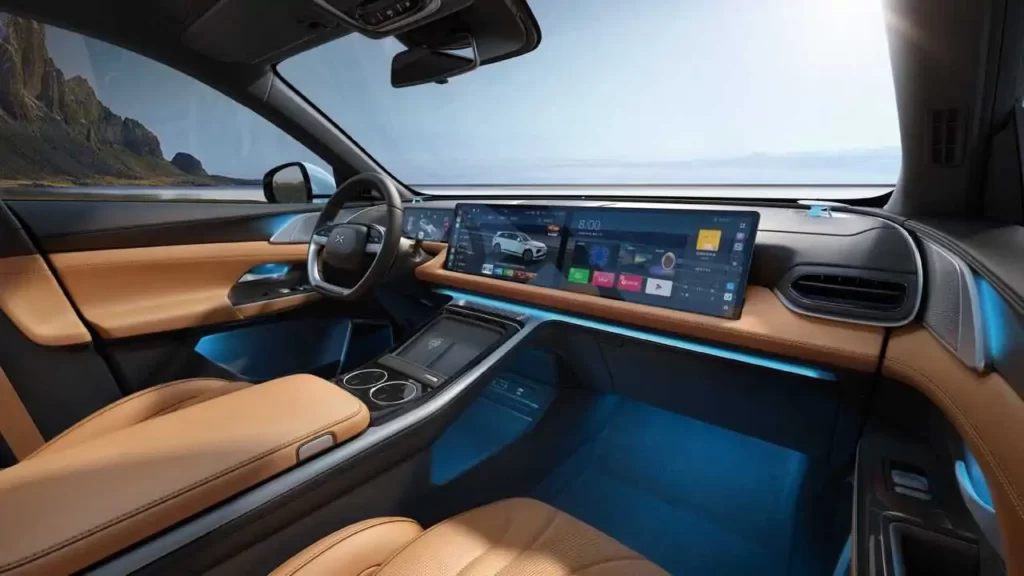
Interior At first sight, the cabin’s dark internal paneling will draw your attention away from the plush caramel materials. The dashboard has two high-definition screens, the larger of which is 15 inches wide and on which XPeng’s innovative dynamic 3D user experience based on the Unity3D engine makes its world premiere. The new ADAS system relies on a precise 3D map rendering of the vehicle’s immediate environment (more on that below).
The G9’s cabin is packed with helpful extras for the driver and passengers, like an always-on artificial intelligence voice assistant that can receive and process instructions from any of the vehicle’s four seating positions. Without an active data connection, the voice assistant may still reply in milliseconds and manage over 600 car features.
The G9, according to XPeng, has “the world’s quickest charging” capabilities. XPeng Motors thinks that the G9’s inner workings, rather than its superficial features, will set it apart from the competition in China and abroad. Specifically, its 800V charging infrastructure, which is supported by Silicon Carbide (SiC) chips, ensures a fast rate of charge delivery.
XPeng claims that the G9 is the “world’s quickest charging EV,” which brings up the topic of charging. There is no official data to support that claim, but the carmaker’s released specifications are astounding. To begin, the G9 will include 3C battery cells from companies like EVE, CALB, and CATL standards in most of its trims (detailed further below).
The voiceover assistance system in the G9 is driven by Multiple Input Multiple Output technology, which allows it to react to requests from anywhere in the cabin in milliseconds. A 3D map of the driver’s immediate vicinity is included in XPeng’s new dynamic 3D user interface as standard on the SUV.
Xopera, a multimedia system by XPeng, will also be included in the high-end SUV. It has a total of 28 speakers and vibration units, with a combined power of 2,250 W. Dolby Atmos technology is used by Xopera to add seat vibrations, alterations to ambient lighting, and scents according to the movie being watched, music being played, or desired atmosphere.
Falling asleep while driving is extremely dangerous for you and everyone else on the road. And it happens more often than you think. I have dozed off many times while driving at night after a long day of work and especially when driving on a long, endless highway with nothing but blackness around. Luckily, I caught myself after a few seconds and pulled over to refresh.
This got me thinking about what I can do in such situations to try and keep awake. Because trust me, it’s difficult. Your body argues with your rational mind to convince that a few minutes of sleep won’t matter until you succumb. And then it would be too late for your mind to realize the mistake.
So if you value your life, the passengers in your car, and the lives of others on the road, be more cautious. Read on for some tried and tested tips to keep you awake while driving.
Caffeine
Stop and grab some coffee when you feel you might doze off. You can have a cup with a straw in your car’s cup holder and take sips occasionally. Caffeine is highly effective in keeping you alert. But avoid too much sugar in your coffee as it can cause a slump after a sugar high.
Music
Of course, you wouldn’t want to put some soothing melodies that will put you to sleep. Turn up the speakers for some lively, upbeat rhythms that will make your heart pound faster. This would help you stay awake and give you an enjoyable ride!
Fresh air
Roll down the windows or slide open the sunroof. The cold wind whipping past will help keep you awake. Pulling over to have a break also helps. Stop and smell flowers, and splash some water on your face. Use the time to do a few stretches and a couple of squats. The exercise will have more blood rushing after many hours of sitting. Allow yourself to get cold and uncomfortable because being warm and snug would make you fall asleep.
If you can spare the time, take a 20-minute power nap. You’ll feel refreshed after that.
Drive with a partner
Having another passenger with you works in keeping you awake. Not only will they be alert and shake you if you doze off, but having someone to talk to will make you less sleepy. Have a loud and lively conversation with your partner, don’t fall silent. If your partner can drive too, it would help you to switch places and have a rest.
Get some snacks
I remember a time when we were on a long trip, and practically everyone in the car was dozing off, including the driver. So we stopped at a roadside for some very spicy snacks. It worked! I don’t know if scientifically, spicy food helps us stay awake, but it did.
Snacking will also stabilize your blood sugar levels and leaves you feeling less tired. Go for your favorite crunchies and nuts with some salt, flavor, and spice. At least the business of munching will keep you awake.
Stay hydrated
Drinking lots of water helps you stay focused. And it also makes you stop frequently to use the loo. Either way, it helps keep you awake.
Occupy the brain
Listen to an exciting audiobook or an interesting lecture. Brain exercises prevent you from dozing off. If you are traveling with other passengers, play mind games and quizzes with them to stay entertained.
Sleep the night before
This is perhaps the most important tip. Never stay awake at night when you know you have a long drive the next day. Obey your body’s demands and give it the rest it needs. Nothing compensates for a good night’s sleep. So plan ahead and get your sleep debt right during a long journey.
See some light
Take a break in well-lit areas or stop to use your smartphone for a while. Incandescent lighting and smartphone screens will delay the release of melatonin. Melatonin is a hormone released by the brain before we fall asleep.
Do not consume alcohol before or during driving.
If dozing off while driving is not bad enough, being drunk and sleepy is the worst possible condition that can send your car off the edge. Also, please do not drink the night before, as it can affect the quality of your sleep. So you will not be rested enough when driving, causing you to be drowsy.
Eat an ice-cube
Having an ice cube in your mouth and chewing it helps. The cold crunchiness will help keep you alert.
If you have tried many of the tips above but still find yourself dozing off and you are still a long way from your destination, then please check in at the nearest hotel or B&B and have a good night’s sleep. Because the risks involved in drowsy driving is not worth it. Studies show that a sleep-deprived driver is akin to a drunken driver, so get your sleep debt paid off before you continue your journey.
Summary
Do not drive while feeling sleepy, thinking you can fight the sleep off. Because that few seconds of nodding can creep on you unawares, causing a lot of havoc. Follow the tips to keep yourself awake, but if you can’t, give up and get some rest.
But if you are not essentially sleep-deprived and are not on a long journey and the feeling of drowsiness while sleeping is a repetitive occurrence, then avoid driving at all. Use public transport, ride a bicycle or ask for a lift. Consult a doctor about your condition. Do not underestimate the dangers of dozing off while driving.
The 2022 Chevy Silverado ZR2 arrived earlier this year.
The 2022 Chevy Silverado is a redesigned and improved version of the company’s best-selling pickup truck. It provides buyers with new features, improved performance, and a more refined interior.
We now have three gasoline-powered gigantic to choose from, since the 2022 Chevrolet Silverado ZR2 arrived earlier this year. The Chevrolet may have a 6.2-liter V-8 and a set of mystical Multimatic DSSV spool dampers, but it can’t compete with the Ford F-150 Raptor and the Ram 1500 TRX’s extravagant power or outlandish pre-runner styling. However, the ZR2’s compact dimensions may be an asset if you often compete in rock-bouncer competitions rather than Best in the Desert challenges.
The 420-horsepower ZR2 is tailored to the reality of East Coast trails, where speeds are low and trees are prevalent, by becoming 5.4 ” smaller than the Raptor and 6.8 ” shorter than the TRX. During my trip to Uwharrie National Forest, where I stumbled onto the transfer case mode known as “4WD Off,” which has been exposed to the public in GM pickup forums, I would suggest that they are a bit too numerous. I did some little bodily damage after my meeting with 4WD Off. The excellent thing is that I can now tell you what not to do and why if you own a General Motors vehicle equipped with an all-wheel-drive mode.
The 2019 Chevrolet Silverado 1500, which replaced the previous version, is a great pickup thanks to its many upgrades and enhanced capabilities. But even with its updates, the 2018 Silverado was not nearly as outstanding as the Ford F-150 or Ram 1500. However, thanks to a comprehensive redesign for 2022, the Silverado is now a serious contender in its class.
A poor interior design was its major flaw. It’s a good thing that’s changed for 2022 since the cabin’s gotten a major boost in terms of materials and design. Pickup customers have grown to anticipate a warm and pleasant cabin in recent years, and Ram in particular has set a new standard with its near-luxury cabin quality. In addition, Ford has improved, especially in the F-150’s upper trim levels.
Even though the Silverado’s interior upgrades are only available on the higher trims, that’s exactly the Silverado that most consumers who aren’t in the market for a work truck end up purchasing. We expect that all businesses, with the exception of those involved in providing utilities and providing construction services, will find the improvement to be financially worthwhile.
Chevrolet didn’t change too many other things throughout the update since there wasn’t much room for improvement. The cabin of the High Country grade test vehicle we drove was noticeably better than the one in the last Silverado we evaluated.
In spite of this, not everything is ideal. Visit the aforementioned website to read Aaron Bragman’s in-depth critique of our services in full. Listed below are four strengths of the 2022 Chevrolet Silverado 1500 High Country and four weaknesses for a more concise review.
Inside is where Silverado really shines if that wasn’t already clear. Considering that’s where customers often spend their time and practically every other aspect of the Silverado is solid, this is a major improvement. Weird design features and cheap-looking plastics have been swapped out for high-quality materials, superb construction, and a flatter, more horizontal dashboard design.
The Multi-Flex Tailgate may be used as a step, a mobile workstation, or a bed extension, making it a versatile and helpful accessory. Multiple camera angles and the ability to conceal the trailer so that the back view is uninterrupted are just two of the advanced towing capabilities included in our Silverado High Country. The clever running boards that retract to the back make getting into the bed a breeze. However, the Super Cruise semi-autonomous driving technology stands out as the most remarkable since it requires very little from the driver when on the highway other than paying attention.
Tesla Roadster – Elon Musk’s unveiling of the next-generation
Together with Tesla Roadster, the company also debuted the Tesla’s new electric truck, a sports automobile with impressive specs that appear like something out of a Top Trumps card and into the realm of the electrified.
Despite the fact that most people who purchase a Model S or Model X Tesla don’t recall the first Tesla Roadster, it was the car that placed the all-electric carmaker just on the globe. Although the latest product was expected to be available again in 2021, its absence from store shelves has led us to conclude that its release has been postponed. The newer version of the Roadster has several advantages over its forerunners. It has two tiny back seats, a substantially larger fuel tank, and much better acceleration and endurance. Elon Musk, CEO of Tesla, promised a 1.9-second 0-60 mph time and a 250-mph peak speed for the Roadster idea back in 2017; we believe these claims are true.
In a recent interview, the guy who piloted the next-generation Roadster during its November 2017 test runs, Emile Bouret, urged all auto lovers to back the next all-electric powerhouse. The experienced test driver thinks cars like the next-generation Roadster might make the auto industry better because they would spur competition to create even more stunning automobiles.
Bouret has been a part of Tesla’s team from the very beginning. Bouret, a 28-year automotive sector veteran and personal friend of Tesla head designer Franz von Holzhausen, has been enlisted to put the company’s electric cars through their paces. This includes the first Tesla Roadster and the Model S. Speaking with the VINwiki channel on YouTube, Bouret said, “I don’t comprehend the hatred that’s been hurled towards the next-generation Tesla Roadster.”
Elon Musk’s unveiling of the next-generation Tesla Roadster in November of last year was a huge shock for the automotive sector. And besides, the all-electric supercar’s touted stats, such as its 0-60 mph pace of 1.9 seconds, a quarter-mile time of 8.8 seconds, and range of 620 miles per charge, have created some disagreement among conventional vehicle aficionados. The tires’ top speed restriction and the lack of advanced battery technology are two of the most common sources of mistrust.
However, Tesla has promised that the published specifications for the next-generation Roadster are really modest. Bouret claims that Elon Musk’s claims about the range and performance of his forthcoming all-electric supercar were not exaggerated. The results they found in their experiments were those precise figures.
The standard Roadster, according to Tesla, would cost $200,000. The Creators Series, a special release, will cost an additional $50,000. The only thing we know about the Creators Series models is that just 1000 of them will be produced. Only spend the additional cash if you’re a collector; everyone else should hold off. If and when we learn more about the vehicle’s basic and extra features, we’ll include that data in this article.
Those aren’t out of the realm of possibility. That doesn’t seem like math to me. Those calculations have been made. Additionally, I shouldn’t argue that those figures are conservative because they are. He confidently predicted, “That thing is going to be a genuine weapon.”
When you consider that no other car on the road today offers similar features and performance, it’s easy to see why widespread skepticism has been raised about the speed and range of the next-generation Tesla Roadster. But over the last several months, Tesla has been hinting that it has the capacity to meet or exceed the vehicle’s specifications disclosed in November.
Musk claims the “basic model” prototypes can reach 60 mph from a stop in 1.9 seconds, and that the commercial vehicle may be much quicker.
Compared to the current quickest Tesla, the Model S P100D in so-called ridiculous plus mode, this is a whole 0.4 seconds quicker to 60mph. With a 0-60 mph pace of 2.2 seconds, the effective hybrid Porsche 918 Spyder is the crown prince, yet this vehicle would be quicker than anything currently in production. The AMZ Grimsel Electric Race Car achieved a 0-60mph time of 1.5 seconds, setting a new world record.
Even as recently as last month, Elon Musk was publicly considering incorporating SpaceX technology into the next-generation Tesla Roadster to increase its efficiency. Musk claims that the next hypercar will employ the same Composite Overwrapped Pressure Vessels (COPV) that SpaceX’s Falcon rockets use during re-entry and landing to improve the vehicle’s speed and handling. In an earlier study, we pointed out that this apparently fantastical notion is indeed doable.
JB Straubel, Tesla’s chief technical officer, provided the most in-depth explanation of the battery technology that will power the next-generation Roadster during the company’s first-quarter 2018 investor conference. In response to a query concerning the Tesla Semi’s range, Straubel said that skepticism about the accuracy of the company’s estimates stems in large part from a failure to comprehend the complexity of the company’s battery technology.
Living in your car can be challenging. However, it can be rewarding, fun, and even a bit luxurious if you take the proper steps. Here are some tips for living in your car:
It was not cheap.
You’ll need to buy an expensive car, which can be hard on your credit score. You’ll also need to buy food and water for yourself, as well as cleaning supplies (like bleach) and toiletries (like shampoo). And that’s just scratching the surface! If you’ve got any tools at all—whether in the trunk of your car or mounted on its roof—they need their storage bins too.
You will miss things you don’t want to miss.
If you’re used to living in a house or apartment, then it’s easy to forget that there are things about living in a car that could be better. For example:
You will only be able to work on your car if you have one of those motor vehicles (like a minivan) with a big engine and lots of room for storage.
You won’t be able to have family events at home because they’ll have to take place somewhere else—and if they don’t take place somewhere else, then who will remember them?
If one of your friends lives nearby, they may live with you while they go back home. But what do they eat? Where do they sleep? How long can they stay before they get homesick again?
The bed is hard and uncomfortable compared with what we’re used from our beds at home; plus, it’s not very comfortable when sleeping either!
Friends and family.
Friends and family will want to help you.
Friends and family may need help understanding why you want to live in your car or how they can help.
They may be worried about you and need reassurance that everything is okay.
They might also be eager for a visit from the outside world, which could lead them away from their homes for extended periods (or even forever).
You will see much of the country (and still be in your car).
The great thing about living in your car is that you can see many of the countries. You will go places and see things you might not have seen otherwise.
But there are some things to keep in mind when planning your route:
Avoid cities. Drive through small towns or rural areas as much as possible; these tend to have fewer people and less traffic than larger cities.
Plan ahead for friends and family members who want to visit with you but don’t want or can’t get away from their jobs or other commitments for long enough for an extended road trip (or don’t want to spend every waking hour on the road).
Think about where they live so they don’t have far-flung destinations listed on their itinerary; then map out a route that takes advantage of all the sights along major highways but still uses local roads whenever possible.
Plan routes around tourist attractions such as national parks or monuments; this will help reduce boredom during long stretches without much scenery! If inclement weather keeps getting in your way, consider driving through it instead—you’ll be glad when those clouds part up ahead so everyone can enjoy watching them pass by 🙂
You’re going to be tired.
You will be tired of being tired, and that’s okay. It’s normal, but you must remember: it’s not your fault! You’ve been working all day long at a job where you have no control over your schedule or how much money is coming in, so the least you can do is find someplace comfortable where there are no distractions and relax for an hour or two before heading home again.
And if someone else wants me out of their home? That’s fine too! They don’t deserve my presence anyway; I’m sure they’d rather spend time with their friends/family than with me.
Smelling good is hard.
You need soap, shampoo, body wash, deodorant (and perhaps antiperspirant if you’re sensitive to odor), toothpaste, and a toothbrush. Forgetting any of these will lead to unpleasant results—like stench or an unsightly yellow hue around your nostrils.
Remember feminine hygiene products like tampons and pads! They’re essential if you don’t have access to running water in your car: change into fresh linens every four hours while traveling, so they don’t get too smelly or wet from sweat before they’ve been washed out with soap/shampoo/etc. Then use them again as soon as possible after stopping at a rest stop or gas station restroom; otherwise, there’s a good chance that one little tear could turn into significant leakage problems later on down the road when things get uncomfortable enough for me.
Sleeping well is hard.
If you’re going to sleep in your car, you must find a place that makes you feel comfortable.
Ensure the temperature is right: Your body needs warmth but not too much heat; if the temperature is too high, there may be an uncomfortable sweat that keeps you from getting restful sleep.
Find a good position: It’s also essential to ensure that whatever position or position combination works for your body type doesn’t cause pain or discomfort when sleeping. You don’t want any pressure on any part of your body while sleeping (which can make you sore).
Cleaning yourself is hard.
Cleaning yourself is hard. You can only take a shower sometimes and must wash your hands and face when you get in the car. Being clean when I’m living in my car makes no sense, so I don’t do it.
When cleaning yourself can be difficult, some simple things will help:
Use a toilet or sink at least once daily (or both). Whether it’s an actual toilet or just a bucket placed under one of these things is up to you—but if possible, use them both! You might also want to bring along some water bottles with lids so that when those toilets need emptying, they aren’t closed off from being used by other people who might need them later on down the road too!
Privacy is hard.
Privacy can be hard to come by if you live in your car. If parked outside, you may find yourself in a small space with other people or even your belongings and car. It can also be challenging to keep thoughts and emotions under wraps when they’re in their most vulnerable state (i.e., parked).
Cleaning the car is hard.
You must clean your car every day, even more often if you drive a lot. When you stop for gas or food, it’s essential to do some quick maintenance so that your vehicle doesn’t smell like an ashtray in the morning when you wake up. And don’t forget those “oopsie”—the times when something falls on the floor or onto your lap while driving! You can help keep things organized by storing everything in its place (including trash bags).
Temperature regulation is complicated.
Temperature regulation is complicated, and there are many factors to consider when trying to keep your car cool. One of the most important things you can do is ensure that your car has adequate ventilation. For example, if you live in an area where hot days are standard or if it gets freezing at night (like in rural Alaska), good airflow will help keep things running smoothly. It would help if you also tried not to park in direct sunlight; this can cause your windows to become too hot and restrict airflow even further.
When choosing a parking spot for the night or weekend—whether at home or on vacation—make sure it’s not too cold or too hot!
Food storage is a challenge.
When you live in your car, food storage is a challenge. Because of limited space, there’s little room for all the foods you would store in a house. On top of that, when it comes time to prepare meals and cook them on the go, you only have a little time or energy to dedicate to meal prep. And lastly—and most importantly—your creativity dies when you don’t have any place to go!
Living in your car is difficult, but it’s possible with planning and effort.
Living in your car can be difficult, but it’s also rewarding. You must plan carefully and be organized, resourceful, flexible, patient, and persistent. It would help if you were prepared for the unexpected—something may come up that is beyond your control (like an accident) or something you did not expect to happen (like getting lost).
Living in your car is a great way to save money and live the life you want. And with a bit of planning and forethought, it’s possible to do it without anyone noticing—and without running into legal issues or feeling unsafe or uncomfortable. Here are some tips that can help you make this transition as easy as possible:
Plan ahead.
Knowing your limits is one of the most important things to keep in mind when you’re planning to live in your car. Buy new furniture or other items if it’s temporary and not a full-time job. You can always sell them later if necessary, but it’s easier not to buy them at all!
The same goes for food: only go overboard on snacks if they’re going into the fridge (or freezer) and being eaten immediately. And if there isn’t any room in either area, don’t buy anything at all—stick with what works best for keeping yourself fed while living off the grid!
Find the right car.
Choose a car that’s easy to live in. You want to be able to get in and out of your vehicle quickly, so make sure you find one with good visibility and maneuverability.
Pick a car that will blend in with the others at your parking spot—you don’t want people staring at you when they see your car parked there!
Look for a compact or midsize sedan/utility vehicle (SUV) because these have more space than other vehicles and can accommodate all your gear without taking up too much room.
If possible, try out different makes and models before buying; this way, you’ll know what kind of experience each one brings!
Choose a suitable parking space.
When you’re living in your car, it’s essential to choose a suitable parking space. For example, if you live in an area where streetlights are few and far between, try to park under one so that no one will see your vehicle from a distance. Please make sure there are no other cars around before pulling up; otherwise, someone might mistake your car for theirs and park on top of it!
Also, remember: don’t park near a building or any other structures because this could cause damage to the roof of your vehicle over time due to heat baking onto metal surfaces. Finally, make sure not only do people not recognize what type of vehicle they’re looking at but also that they know how long ago it was parked there before moving on with their lives as usual. This way, nobody gets hurt while trying out new tricks on unsuspecting drivers!
Get a mailbox. You’ll need one before you know it, so get yours now! The most obvious option is a PO Box at your local grocery store or post office. If that doesn’t sound like something you need, there are other options as well: A UPS store might be an easy choice for those who need their packages delivered as soon as possible, while FedEx locations can be found in many cities across the country (and beyond).
Park strategically.
The first thing to keep in mind is that you should park strategically. You don’t want to be visible from the street, so look for a spot where your car will not be visible from either direction. This means parking well away from the front door of your building and also off-site. Your best bet is to find a spot that isn’t visible from either direction: if someone can see into their neighbor’s car through their window or doorway, they might be able to see into yours!
Remember that even if no one can see inside your vehicle while parked there—it doesn’t mean they won’t notice what happens next!
Get a good night’s sleep.
Use a sleeping bag or pad. The best way to get a good night’s sleep in your car is with some form of insulation, whether you prefer to sleep on the ground or in a bedroll. If you choose the latter, ensure there are no sharp objects around—this includes loose change and keys!
Use earplugs if necessary. You’ll want to block out external noises as much as possible so that when it’s time for bedtime (or whenever), your mind can relax and prepare for a restful sleep without any distractions from outside noise pollution.
Use pillows under your head if needed; otherwise, just use whatever works best by itself without any other supports underneath them for added comfort during those long drives across the country.
Stay safe when you’re outside your car.
You should be aware of the following:
Don’t leave valuables in your car. If you need to keep something safe, consider keeping it with you rather than in a vehicle. This can include important documents, jewelry, and other items that may be stolen if left unattended.
Please don’t leave your car unlocked or parked in isolated areas where no one would see it being broken into (like an alleyway). It’s also not advisable to leave anything valuable inside any vehicle overnight.
This is especially true if others may enter your vehicle at any time during its stay at their location—for example, if they live close by and want access so they can use power outlets when charging devices such as laptops or cell phones.
Keep your living space clean and tidy.
Keeping your car clean and tidy is essential, but it’s also a great way to keep yourself busy when you’re stuck in traffic. If you have time, go through your car before setting foot inside. This can be done by vacuuming all the cushions, wiping down everything with a damp cloth or sponge, and then cleaning up any spills (such as liquid food) on the floor mat or dashboard.
If there are items that need more attention than this simple cleaning can provide—like dried-out food or crumbs from breakfast—let them sit until later so they don’t attract bugs into your vehicle!
If you’re careful, you can live in your car without anyone noticing it and without running into legal issues or feeling unsafe or uncomfortable.
You can live in your car if you have the right insurance coverage. So if someone steals it from you and drives away with it, that’s not considered theft unless they get caught driving on the road with the vehicle (which is illegal). In this case, there would be no crime for them to report because their actions were legal.
You don’t have to worry about parking tickets or fines—you’ll probably never get one! Even if one were issued by a city cop who happens upon your vehicle while he’s off duty but still has his uniform under his jacket. Well..he probably wouldn’t know what was happening anyway since he was out of uniform at the time, so he probably wouldn’t give any attention whatsoever except maybe just looking around briefly.
Conclusion
Living in a car can be a challenge, but with proper planning and some luck, it’s possible to live comfortably without anyone noticing. If you follow our tips above and keep an eye out for other people who might be living in their cars, then your chances of getting away with being homeless are much higher than if you don’t. After all, there’s nothing more embarrassing than having someone point out how sad or pathetic you look when they notice the windows are down at night—and even if they don’t say anything directly about it, everyone notices these things anyway!
So, Living in your car is a great way to explore the country and gives you more freedom. The key is planning, ensuring you have what you need, and having support from friends or family members who will help with any problems. It’s also important not to forget about yourself: it’s easy to get caught up in other people’s lives and forget about yourself for just a moment before realizing how tired you are! These tips will help make your journey more enjoyable by helping make sure things go smoothly throughout your stay.
You’ve finally gotten your license and are ready to take the road. You might be nervous about driving for the first time, but don’t worry! Most new drivers are. The key is to get out there and practice a lot so that when you need help from someone who knows what they’re doing, they’ll be able to assist you in an emergency while also helping you improve as a driver—and feel more comfortable on roads across America.
This guide will teach beginners how to drive safely in everything from parking lots to highways. We’ll cover everything from how to sit down properly in your seat belt, how much space there needs to be between vehicles when merging onto highways, and even how important it is not to get too close behind other cars when turning right onto streets off significant highways or interstates.
Learning to drive can be intimidating and stressful, but it doesn’t have to be if you take the time to learn safe driving habits. Whether you’re a beginner or an experienced driver, these tips will help keep you safe on the road:
First, you will want to ensure you have the right equipment, such as a reliable car in good condition.
If you can’t afford a new car right away but have been thinking about it recently because maybe it would be nice if they got more mileage out of their current one (or maybe even just because it looks cool), look into purchasing an older model instead! Plenty of used cars available today—especially at auction sites like eBay—come with excellent warranties.
If anything goes wrong during ownership (like breaking down on occasion), people will usually have no problem exchanging parts like transmissions or engines without any fuss whatsoever!
Make sure your seat is in the correct position.
Make sure you’re sitting in the correct position. There are three main things to consider:
You should be able to see the instrument panel, the road, and the back of your car. Sit up straight so you can see over your shoulder and down on either side (don’t forget about mirrors). This will help prevent surprises when someone cuts you off or swerves into your lane!
Reach all pedals and steering wheel easily without straining yourself too much (and without leaning too far forward). You want to avoid injuring yourself while driving just because sitting still in one spot for long periods is uncomfortable!
Making Sure You Can See
Position your seat so that you can easily see the road without straining to look down at the road or mirrors. You should also be able to see around you while looking forward and check blind spots by turning your head or turning sideways to get an overview of what’s happening behind you.
For example: If the driver’s side mirror is too high up on its mounting point when viewed from behind, this could cause problems in driving safely because it will obscure part of your view when backing up into parking spaces or driving toward traffic lights at intersections.
Be aware of blind spots so you can change lanes safely.
A blind spot is a section of your car that you cannot see. You may see the outline of other cars nearby but not what’s directly ahead. Your blind spots are the areas of your vehicle that you cannot see directly but can be seen by other vehicles. When changing lanes, check your blind spot to ensure there aren’t any cars or other obstacles. To check for anything in this area:
Look in the mirror and use your peripheral vision to check for any objects behind you.
Use one hand to look through the side mirrors while using another hand to look in front of you.
There are different types of blind spots:
Blind spots due to mirrors and side windows (side rearview mirror). This is the most common type of blind spot in cars because they’re positioned so close to where you’re looking at them and don’t have enough room for a driver’s head or anything else in between them and your eyesight.
Blind spots are caused by being too far down on one side of the vehicle (tailgating). Driving too closely behind another car will block out part of your view through both sides – including where other vehicles’ headlights shine onto the pavement or other objects ahead!
To avoid this problem, try passing slowly instead, so there isn’t much distance between yourself and another car; then look behind before changing lanes if needed! If all else fails, run into another lane without looking first!
One of the most common mistakes new drivers make is adjusting their mirrors before driving. This can be dangerous as it doesn’t allow them to see what is behind them and makes it harder for them to change lanes.
Before you begin driving, make sure both sets of mirrors are adjusted to cover the entire length of your car from the front bumper to the back bumper (including any bumpers or other objects). You should also adjust them so you can see through all four corners—front-to-back, left-to-right, top-to-bottom—without anything blocking your view in any direction.
The Four-Point Turn
How to do a four-point turn:
Place your car in the rightmost position. This means you should be behind the vehicle coming up on your left, and they’ll be in front of you.
Make sure everyone is ready with their seatbelt fastened before starting this maneuver. Then signal other drivers to pull over so they can let you through safely. Once they’ve stopped, look at them and say “thank you” as they pass by – this shows that you appreciate their cooperation!
Learn how to check and fill fluids.
Your car’s owner’s manual will tell you how to check and fill fluids. The most important thing to remember is that a vehicle should be checked every time it’s serviced or before driving in extreme conditions (like snow).
Checking your tires is another essential part of keeping them properly inflated. After this task has been completed, it’s time for some fun!
Scan ahead for possible dangers on the road, such as debris or parked cars.
Look behind you to see what is happening in front of you. If there is an accident, look for injured people who may need help getting out of their vehicle.
Never turn your head when changing lanes—always keep both eyes on the road!
Always pay attention to your surroundings.
As a beginner driver, it’s essential always to be aware of your surroundings. This means looking out for pedestrians, cyclists, and other drivers. It also means always being aware of the environment around you: don’t let yourself get distracted by other things while driving (texting or even eating!), and don’t let your mind wander away from the task.
Never drive distracted by eating or texting.
If you are a beginner driver, it is essential to remember that eating and texting can be dangerous. In some states, driving while using a cell phone or eating is illegal. It’s also distracting and makes you less aware of your surroundings.
If you need to eat or text while driving, pull over first!
Learning to drive takes time and patience, but you can be safe if you take it slow.
Practice makes perfect, so ask for help from a parent or friend whenever possible. Be patient and don’t rush to get your license; this will only make things worse if something goes wrong on the road. When in doubt, stop at an intersection and check your mirrors before proceeding through the light—this will give drivers time to see that no cars are coming in either direction before they start moving again!
Parking on a Hill
Parking on a hill can be tricky, but it’s possible. The best way to avoid rolling back down the hill is to leave enough room for your car to roll back if necessary and use the handbrake. You’ll also want to remember that there may be other cars behind you, so don’t rush things when backing out of parking spaces or driveways.
Sudden Stops
Use your foot to brake.
Use your hands to steer.
Be aware of the road ahead, and slow down before you reach a stop sign or red light.
Take your time and stay focused while you’re learning to drive.
It’s important to remember that driving is a skill, and it takes time to learn how to do it properly. Don’t rush through your lessons; take your time, practice making right turns at intersections, and pay attention.
Also, remember: You’re not alone in this! Some people who have been driving for years could use some help from someone new like yourself—so don’t be afraid of asking questions or seeking advice from them.
Finally—and I’ve seen way too many people miss out on it—make sure that whatever distractions get in the way of staying focused on the road end up being dealt with before they become dangerous situations (like texting while driving).
Conclusion
We hope these tips help you plan your road to becoming a safer driver. Remember that driving can be difficult, but with the correct information and support, it doesn’t have to be.
And if you’re having trouble with something, don’t hesitate to stop and ask someone else to take over for a few minutes. It’s important to remember that driving should be fun, and it only gets easier with practice!