The Worst Years for Dodge Charger: What to Avoid

0

[ad_1]

In this article, we will discuss the worst years for the Dodge Charger and what to avoid when purchasing one. We will explore the common problems and issues that have plagued these models and provide advice on how to avoid costly repairs and maintenance.

What are the common issues with the Dodge Charger?

The Dodge Charger has had a history of reliability and performance issues, especially during certain years. One of the most common issues with the Dodge Charger is the transmission problems. Many owners have reported issues with the transmission slipping, rough shifting, and total failure. Another common problem with the Dodge Charger is electrical issues, including problems with the power windows, locks, and the infotainment system.

The Worst Years for Dodge Charger: What to Avoid

Additionally, the Dodge Charger has been known to have issues with the suspension and steering, leading to a rough and uncomfortable ride. The quality of the interior materials and build has also been a point of contention for many Dodge Charger owners.

Which years of the Dodge Charger should be avoided?

Based on customer complaints and expert reviews, some of the worst years for the Dodge Charger include the 2006, 2007, and 2011 models. These years have been consistently reported to have the most problems in terms of reliability, performance, and overall build quality. It is recommended to avoid purchasing these particular years of the Dodge Charger to avoid potential issues and costly repairs.

What should I look for when buying a used Dodge Charger?

When purchasing a used Dodge Charger, it is important to thoroughly inspect the vehicle for any signs of the common issues mentioned earlier. It’s crucial to test drive the car and pay close attention to the transmission, suspension, and steering. Additionally, it is recommended to have a trusted mechanic perform a thorough inspection to ensure there are no hidden issues with the vehicle.

It’s also important to check the vehicle’s maintenance and repair history to see if any major issues have been addressed in the past. This can give you a better idea of the potential problems you may encounter in the future.

Conclusion

When considering a used Dodge Charger, it’s essential to be aware of the potential issues that have plagued certain years of this model. By avoiding the worst years and thoroughly inspecting any potential purchase, you can minimize the risk of encountering costly problems down the line. Taking the time to research and be informed can save you time, money, and frustration in the long run.

FAQs

1. Can the transmission issues with the Dodge Charger be fixed?

While transmission problems with the Dodge Charger can be fixed, the repairs can be quite costly. It’s important to factor in potential transmission repairs into your budget if you are considering purchasing a Dodge Charger with known transmission issues.

2. Are there any reliable years of the Dodge Charger?

Yes, there are several years of the Dodge Charger that have been reported to be reliable and have minimal issues, such as the 2015, 2016, and 2017 models. It’s essential to research each specific year and model thoroughly before making a purchase.

3. Is it worth buying a Dodge Charger despite the potential issues?

While the Dodge Charger has had its fair share of issues, many owners still find the vehicle to be enjoyable and worth the investment. If you are willing to inspect any potential purchase and consider the potential repairs carefully, you may still find the Dodge Charger to be a satisfying vehicle.

4. How can I find a reliable Dodge Charger?

To find a reliable Dodge Charger, it’s essential to research the specific year and model, thoroughly inspect the vehicle, and obtain a detailed maintenance and repair history. Additionally, purchasing from a reputable dealer or private seller with a good reputation can increase the likelihood of finding a reliable vehicle.

5. What other considerations should I keep in mind when purchasing a Dodge Charger?

Aside from the potential issues with certain years of the Dodge Charger, it’s important to consider your specific needs and preferences when purchasing any vehicle. Factors such as fuel efficiency, interior features, and overall performance should be taken into account when looking for the right Dodge Charger for you.

[ad_2]

Enhance Your Tesla Model 3 with a Front Lip

0

[ad_1]

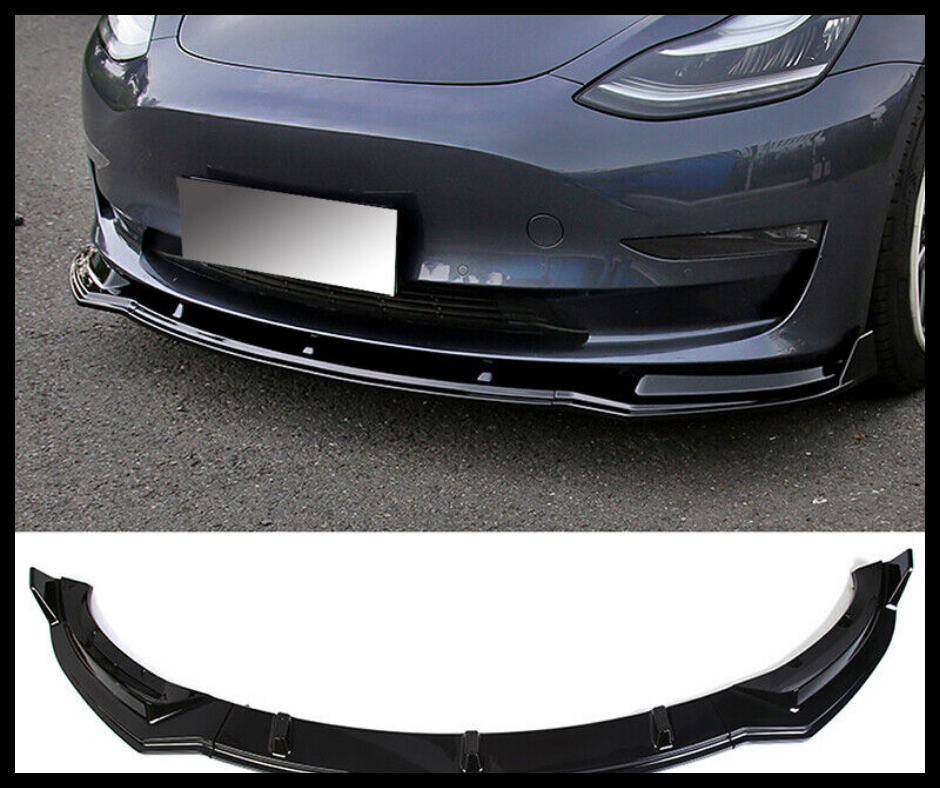
Are you looking to give your Tesla Model 3 an extra touch of style and aerodynamics? Adding a front lip is a great way to enhance the appearance and performance of your vehicle. In this article, we will discuss the benefits of installing a front lip on your Tesla Model 3, as well as the different options available on the market.

Why should I consider adding a front lip to my Tesla Model 3?

Adding a front lip to your Tesla Model 3 has several benefits. Firstly, it can improve the aerodynamics of your vehicle, reducing drag and increasing fuel efficiency. Additionally, a front lip can enhance the overall look of your car, giving it a more aggressive and sporty appearance. Finally, a front lip can provide added protection to the front bumper, reducing the risk of damage from road debris and other hazards.

There are a variety of front lip options available for the Tesla Model 3, ranging from subtle to more aggressive designs. Some front lips are made of durable ABS plastic, while others are crafted from carbon fiber for a lightweight yet strong construction. When choosing a front lip for your Tesla Model 3, it is important to consider the design and material that best suits your personal style and driving needs.

How can a front lip enhance the performance of my Tesla Model 3?

By improving the aerodynamics of your Tesla Model 3, a front lip can help reduce drag and increase fuel efficiency. This can result in a smoother and more efficient driving experience, as well as potential cost savings at the pump. Additionally, a front lip can help direct airflow around the vehicle, reducing lift and improving stability at higher speeds.

Furthermore, some front lips are designed with built-in fins or splitters, which can help channel airflow more effectively and create additional downforce. This can improve the grip and handling of your Tesla Model 3, especially during spirited driving or track days. Overall, adding a front lip to your Tesla Model 3 can not only enhance its appearance but also contribute to a more engaging and efficient driving experience.

What are the different types of front lips available for the Tesla Model 3?

There are various front lip options available for the Tesla Model 3, ranging from lip spoilers to more aggressive splitter designs. Lip spoilers are typically subtle and extend the appearance of the front bumper, giving the car a slightly sportier look without being too ostentatious. On the other hand, splitter-style front lips feature a more pronounced design with fins or extensions, aimed at improving aerodynamics and downforce.

Additionally, front lips are available in different materials, such as ABS plastic or carbon fiber. ABS plastic front lips offer durability and affordability, making them a popular choice for many Tesla Model 3 owners. On the other hand, carbon fiber front lips are lightweight and extremely strong, adding a high-end and performance-oriented touch to the vehicle. Ultimately, the choice of front lip for your Tesla Model 3 will depend on your personal style preferences and driving needs.

How difficult is it to install a front lip on a Tesla Model 3?

Installing a front lip on a Tesla Model 3 is a relatively straightforward process that can be completed with basic hand tools and some mechanical knowledge. Most front lips are designed to be a direct bolt-on to the existing front bumper, requiring no major modifications or drilling. However, it is important to follow the manufacturer’s instructions carefully and ensure a proper fitment before driving the vehicle.

If you are not comfortable with DIY installation, it is recommended to seek professional help from a reputable auto body shop or a certified technician. They can ensure that the front lip is installed correctly and securely, minimizing the risk of any potential issues or damage. With the right tools and expertise, adding a front lip to your Tesla Model 3 can be a simple and rewarding upgrade.

Conclusion

Adding a front lip to your Tesla Model 3 is a great way to enhance the appearance and performance of your vehicle. Whether you are looking to improve aerodynamics, increase fuel efficiency, or simply add a touch of style, there are various front lip options available to suit your preferences and driving needs. With proper installation, a front lip can provide both functional and aesthetic benefits, making it a worthwhile upgrade for any Tesla Model 3 owner.

FAQs

Can a front lip increase the fuel efficiency of my Tesla Model 3?

Yes, a front lip can help improve the aerodynamics of your Tesla Model 3, reducing drag and potentially increasing fuel efficiency. By directing airflow more effectively around the vehicle, a front lip can contribute to a smoother and more efficient driving experience.

Are front lips for the Tesla Model 3 easy to install?

Installing a front lip on a Tesla Model 3 is a relatively straightforward process that can be completed with basic hand tools and some mechanical knowledge. However, seeking professional help from a reputable auto body shop or a certified technician is recommended if you are not comfortable with DIY installation.


What are the different materials used for front lips on the Tesla Model 3?

Front lips for the Tesla Model 3 are available in various materials, including ABS plastic and carbon fiber. ABS plastic front lips offer durability and affordability, while carbon fiber front lips are lightweight and extremely strong, adding a high-end and performance-oriented touch to the vehicle.

Can a front lip improve the handling of my Tesla Model 3?

Some front lips are designed with built-in fins or splitters, which can help channel airflow more effectively and create additional downforce. This can improve the grip and handling of your Tesla Model 3, especially during spirited driving or track days.

Do I need to modify my Tesla Model 3 to install a front lip?

Most front lips are designed to be a direct bolt-on to the existing front bumper, requiring no major modifications or drilling. However, it is important to follow the manufacturer’s instructions carefully and ensure a proper fitment before driving the vehicle.

[ad_2]

Enhance Your Tesla Model 3 with a Front Lip

Finding the Right Tire Size for Your 2006 Honda Civic

0

[ad_1]

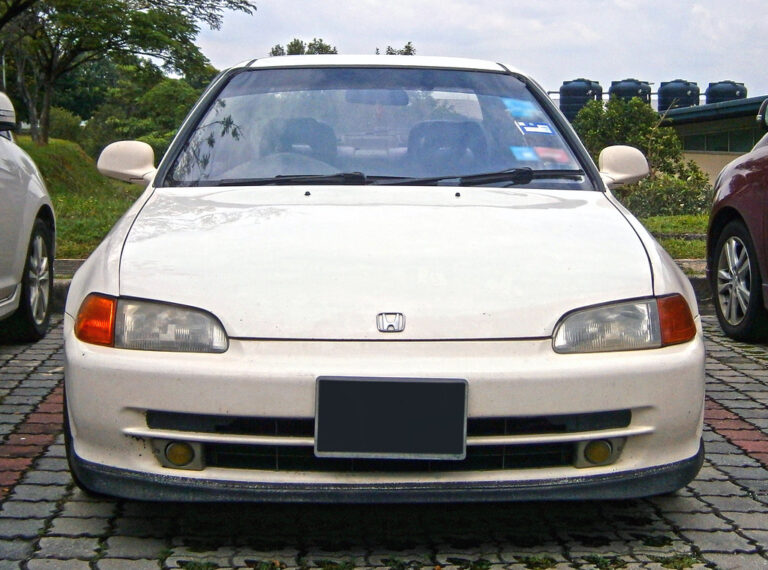
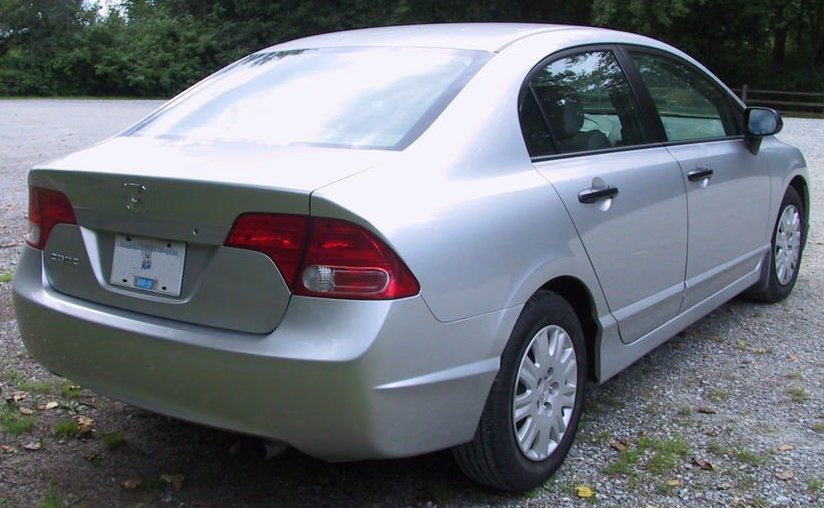
In this article, we will discuss everything you need to know about finding the right tire size for your 2006 Honda Civic. We will cover the importance of choosing the correct tire size, how to determine the right tire size for your vehicle, and provide some frequently asked questions to help guide you through the process.

Why is it important to choose the correct tire size for your Honda Civic?

Choosing the correct tire size for your 2006 Honda Civic is crucial for several reasons. First and foremost, the right tire size ensures the safety and optimal performance of your vehicle. By using the recommended tire size, you can maintain proper traction, handling, and overall driving experience. Additionally, the correct tire size can also impact fuel efficiency, as well as the comfort and noise levels of your Honda Civic. Therefore, it is essential to find the right tire size to ensure the best driving experience and safety on the road.

To determine the correct tire size for your 2006 Honda Civic, you can refer to your vehicle’s owner’s manual or the tire placard located on the driver’s side door jamb. These sources will provide you with the recommended tire size, load index, and speed rating for your specific model of Honda Civic. It is important to adhere to the manufacturer’s recommendations to maintain the integrity and performance of your vehicle.Finding the Right Tire Size for Your 2006 Honda Civic

How do I determine the right tire size for my 2006 Honda Civic?

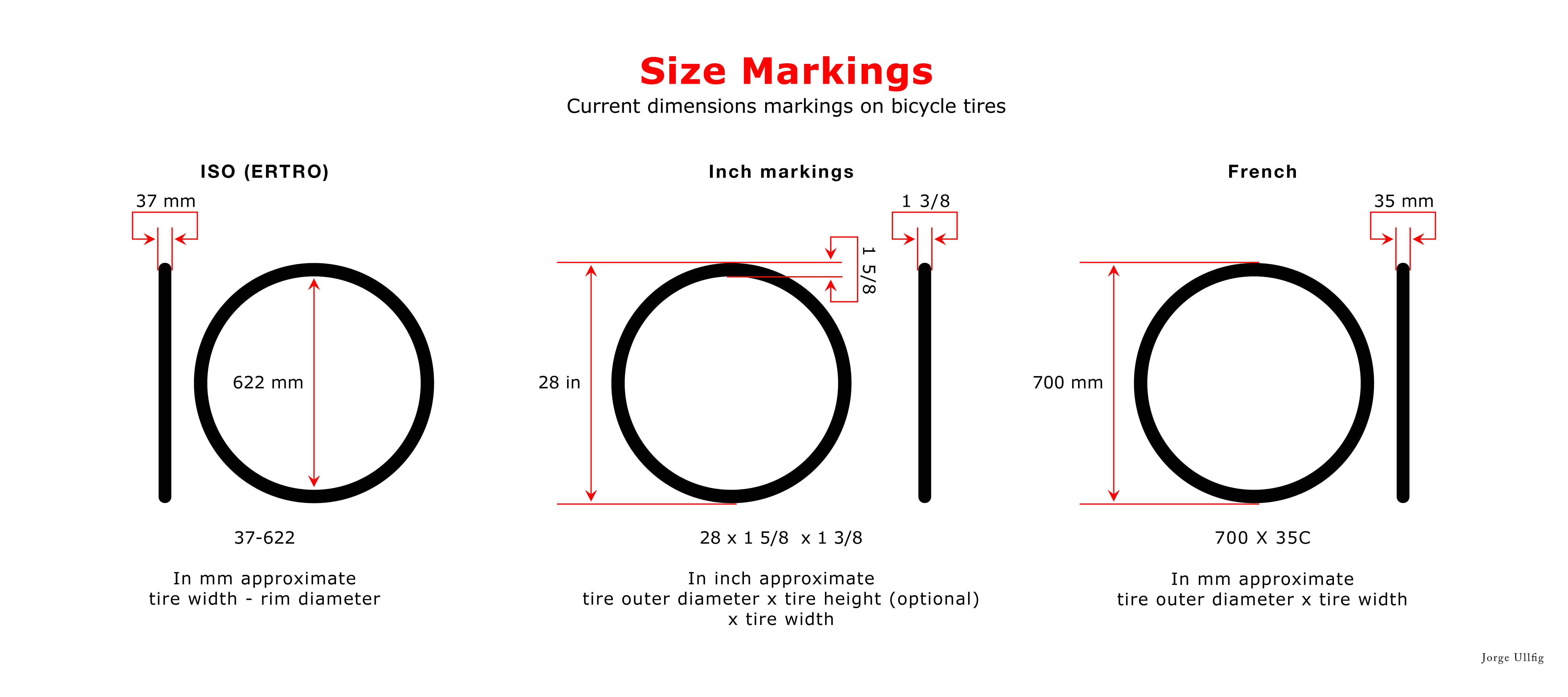
To determine the right tire size for your 2006 Honda Civic, you can use a simple formula based on your vehicle’s existing tire size. The tire size is typically expressed as a series of numbers and letters, such as P215/60R16. The first letter, “P,” indicates the type of vehicle the tire is designed for, in this case, “passenger car.” The following number, 215, represents the tire’s width in millimeters. The aspect ratio, in this example, 60, indicates the height of the tire sidewall as a percentage of the width. The letter “R” signifies the tire’s construction, in this case, “radial.” Lastly, the number 16 denotes the diameter of the wheel the tire is designed to fit in inches.

With this information, you can then determine the correct tire size for your 2006 Honda Civic. By using the same formula and maintaining the recommended width, aspect ratio, and wheel diameter, you can ensure that the new tires will fit your vehicle perfectly without affecting its performance or safety. If you are unsure about the calculations, it is recommended to consult a professional tire specialist who can assist you in finding the right tire size for your Honda Civic.

What are the common tire sizes for the 2006 Honda Civic?

The 2006 Honda Civic comes with several different tire size options, depending on the trim level and original equipment manufacturer (OEM) specifications. The most common tire size for the 2006 Honda Civic is P195/65R15, which is typically found on the DX, LX, and EX trims. However, the Civic Si trim may come with larger wheels and tires, such as P215/45R17, for enhanced performance and handling. It is crucial to verify the exact tire size for your specific model and trim level to ensure the perfect fit and compatibility with your Honda Civic.

Can I use a different tire size than the manufacturer’s recommendations?

While it is possible to use a different tire size than the manufacturer’s recommendations, it is not advisable. Choosing an incorrect tire size can negatively impact the handling, stability, and safety of your 2006 Honda Civic. Additionally, using a non-recommended tire size can also void the warranty and potentially cause mechanical issues with your vehicle. It is always best to adhere to the manufacturer’s recommendations and consult a tire professional to find the most suitable tire size for your Honda Civic.Finding the Right Tire Size for Your 2006 Honda Civic

Conclusion

Finding the right tire size for your 2006 Honda Civic is essential for ensuring safety, performance, and overall driving experience. By following the recommendations provided in your vehicle’s owner’s manual or tire placard, you can easily determine the correct tire size for your Honda Civic. Moreover, consulting a professional tire specialist can also help in making the best decision for your vehicle. So, be sure to choose the right tire size to maintain the integrity and performance of your 2006 Honda Civic

.

Frequently Asked Questions (FAQs)

1. How often should I replace the tires on my 2006 Honda Civic?

Tire replacement intervals can vary depending on driving conditions, tire type, and overall wear. For most vehicles, including the 2006 Honda Civic, it is recommended to replace tires every 50,000 miles or every 5-6 years, whichever comes first. However, it is crucial to inspect the tires regularly for signs of wear, damage, or uneven tread wear, as this may require replacement sooner.

2. Can I install larger wheels and tires on my 2006 Honda Civic for a sportier look?

While it is possible to install larger wheels and tires for aesthetic purposes, it is essential to ensure that they are compatible with your vehicle’s specifications. Larger wheels and tires can affect the overall handling, performance, and fuel efficiency of your Honda Civic. Consulting a professional to find the right fit and size is recommended to avoid any adverse effects on your vehicle.

3. How do I know if my tires are worn out and need replacement?

To determine if your tires need replacement, you can perform a simple visual and tactile inspection. Look for signs of uneven tread wear, bulges, cracks, or low tread depth. Additionally, you can use a tread depth gauge to measure the remaining tread depth. If the tread depth is below 2/32 of an inch, it is time to replace your tires to ensure safe driving conditions.

4. What is the recommended tire pressure for the 2006 Honda Civic?

The recommended tire pressure for the 2006 Honda Civic can vary depending on the trim level and tire size. Typically, the recommended tire pressure falls within the range of 30-35 PSI (pounds per square inch). You can find the specific tire pressure recommendations for your vehicle on the tire placard located on the driver’s side door jamb or in the owner’s manual.

5. Can I replace only one tire on my 2006 Honda Civic instead of all four?

While it is possible to replace only one tire, it is advisable to replace tires in sets of two or four to ensure even wear and proper vehicle handling. If replacing only one tire, it is essential to choose a tire with the same brand, model, and size as the remaining tires to avoid any potential imbalance or issues.

[ad_2]
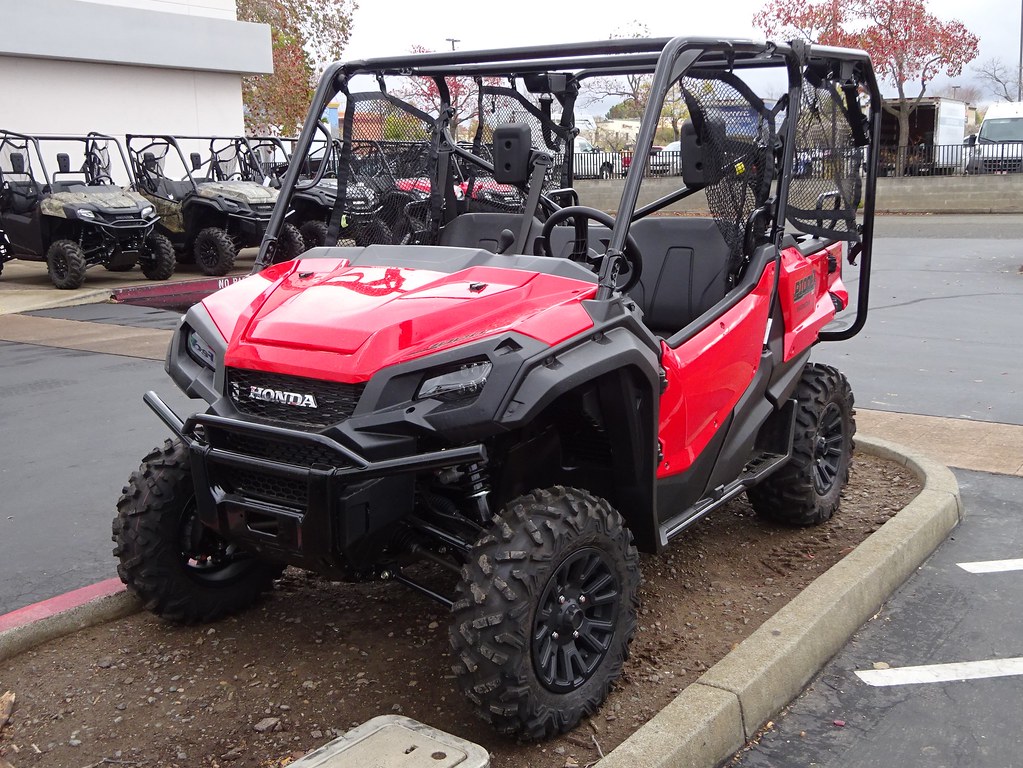
Finding the Right Tire Size for Your 2006 Honda Civic

Troubleshooting Tesla Key Card Issues

0

[ad_1]

This article will discuss the common issues that Tesla owners may encounter with their key cards and provide troubleshooting tips to help resolve these problems. Whether it’s trouble with unlocking the car, starting the vehicle, or accessing features, we’ve got you covered.

Why is my Tesla key card not unlocking the car?

If your Tesla key card is not unlocking the car, there are a few things you can try. First, ensure that the key card is properly aligned with the car’s door handle. Hold the key card against the center of the handle and wait for the car to unlock. If this doesn’t work, try cleaning the key card and the door handle with a soft cloth to remove any dirt or debris that may be interfering with the connection. Additionally, check the battery level of the key card and replace it if necessary.

What should I do if my Tesla key card is not starting the vehicle?

If your Tesla key card is not starting the vehicle, there are a few troubleshooting steps you can take. First, ensure that the key card is placed in the designated card slot, usually located near the center console. Make sure the card is inserted with the Tesla logo facing up. If the car still does not start, try removing the key card from the slot and reinserting it to establish a secure connection. If the issue persists, check the battery level of the key card and replace it if needed.

Troubleshooting Tesla Key Card Issues

How can I troubleshoot issues with accessing features using my Tesla key card?

If you are experiencing issues with accessing features such as locking or unlocking the trunk, opening the trunk, or using Summon mode with your Tesla key card, there are a few steps you can take to troubleshoot. First, make sure that the key card is in close proximity to the area you are attempting to access. If the problem persists, try re-pairing the key card with the car by removing it from the Tesla app and adding it back. Additionally, check for any software updates for your vehicle that may address key card compatibility issues.

What should I do if my Tesla key card is lost or damaged?

If you have lost or damaged your Tesla key card, you can request a replacement through the Tesla mobile app or by contacting Tesla customer support. Once you receive the new key card, you will need to pair it with your vehicle before it can be used to unlock and start the car. Follow the instructions provided by Tesla to pair the new key card with your car and ensure that the old key card is deactivated to prevent unauthorized access.

How can I prevent future issues with my Tesla key card?

To prevent future issues with your Tesla key card, it is important to keep it clean and free of dirt and debris that could interfere with its functionality. Store the key card in a safe place to prevent loss or damage, and avoid exposure to extreme temperatures or moisture. Regularly check the battery level of the key card and replace it as needed to ensure reliable performance.

Troubleshooting Tesla Key Card Issues

Conclusion

Tesla key cards are a convenient and secure way to access and start your vehicle, but issues may arise from time to time. By following the troubleshooting tips provided in this article, you can address common key card problems and maintain the functionality of your Tesla key card.

FAQs

Can I use my Tesla key card to drive my car if my phone battery dies?

Yes, you can use your Tesla key card to unlock and start your car if your phone battery dies. You simply need to insert the key card into the designated card slot to establish a connection with the vehicle.

Can I have multiple Tesla key cards for the same vehicle?

Yes, you can have multiple Tesla key cards for the same vehicle. Each key card can be paired with the car and used to unlock and start the vehicle.

What should I do if my Tesla key card stops working?

If your Tesla key card stops working, try cleaning it and the area where you use it to remove any dirt or debris. If the problem persists, check the battery level of the key card and replace it if necessary. If these steps do not resolve the issue, contact Tesla customer support for further assistance.


Is it possible to use my Tesla key card to access features when my car is parked in a location with no cell service?

Yes, you can use your Tesla key card to access features such as unlocking the car and opening the frunk or trunk even if your car is parked in a location with no cell service. The key card does not rely on cellular connectivity to function.

What should I do if I encounter issues pairing a new key card with my Tesla vehicle?

If you encounter issues pairing a new key card with your Tesla vehicle, make sure to follow the pairing instructions provided by Tesla carefully. If the problem persists, contact Tesla customer support for assistance in resolving the pairing issue.

[ad_2]
Troubleshooting Tesla Key Card Issues

Exploring the Honda Civic Engine Parts Diagram

0

[ad_1]

In this article, we will take a closer look at the various engine parts of the Honda Civic. We will provide a detailed diagram and explain the function of each part. Whether you are a car enthusiast, a Honda Civic owner, or simply curious about how car engines work, this article is for you. Let’s dive in!

What are the main engine parts of a Honda Civic?

The engine of a Honda Civic consists of several key components that work together to generate power and propel the vehicle forward. The main parts include the engine block, pistons, crankshaft, camshaft, cylinder head, valves, and spark plugs. Each part plays a critical role in the engine’s operation, and understanding their function is essential for maintaining and troubleshooting the engine.

1. Engine Block: The engine block is the foundation of the engine and houses the cylinders, pistons, and other internal components. It provides structural support and contains the channels for coolant and oil circulation.

2. Pistons: Pistons move up and down within the cylinders to compress the air-fuel mixture and transfer energy to the crankshaft.

3. Crankshaft: The crankshaft converts the linear motion of the pistons into rotational motion, which drives the transmission and ultimately the wheels of the car.

Exploring the Honda Civic Engine Parts Diagram

How do these engine parts work together?

The engine parts of a Honda Civic work in harmony to create controlled explosions, which produce power. When the driver presses the accelerator, the throttle opens, allowing air to enter the engine. Fuel is injected into the air stream, and the mixture is compressed by the pistons. The spark plugs ignite the mixture, causing an explosion that forces the pistons to move, which in turn rotates the crankshaft. The camshaft and valves control the intake and exhaust of air and fuel, ensuring the process runs smoothly and efficiently.

It’s a complex ballet of mechanical movements that result in the smooth and reliable operation of the engine. Each part must function properly to maintain optimal performance and fuel efficiency.

What maintenance tasks are required for these engine parts?

To keep your Honda Civic’s engine running smoothly, regular maintenance is essential. This includes changing the engine oil, replacing the air filter, inspecting and replacing spark plugs, and checking the condition of the timing belt. It’s also important to monitor the coolant and ensure there are no leaks in the system. Additionally, keeping an eye on the condition of the engine mounts and belts can help prevent more significant issues from occurring.

By following the manufacturer’s maintenance schedule and addressing any issues promptly, you can prolong the life of your Honda Civic’s engine and avoid costly repairs down the road.

Exploring the Honda Civic Engine Parts Diagram

What are some common engine problems in Honda Civics?

While Honda Civics are known for their reliability, there are some common engine issues that owners may encounter. These include problems with the ignition system, such as failing spark plugs or coil packs. Oil leaks, particularly from the valve cover gasket, can also occur over time. Additionally, issues with the timing belt or chain can lead to engine misfires or stalling.

Regular maintenance and prompt attention to any warning signs can help prevent these problems from escalating and ensure the longevity of your Honda Civic’s engine.

Conclusion

Exploring the engine parts of the Honda Civic provides valuable insight into the inner workings of this popular vehicle. Understanding how the engine operates and the maintenance it requires can help owners take better care of their cars and appreciate the engineering that goes into creating a reliable and efficient vehicle.

FAQs

1. Can I use aftermarket parts for my Honda Civic’s engine?

Yes, you can use aftermarket parts for your Honda Civic’s engine. However, it’s essential to research and choose reputable brands that meet OEM (original equipment manufacturer) standards. Using low-quality or incompatible parts can lead to poor performance and potential damage to your engine.

2. How often should I change the engine oil in my Honda Civic?

It’s recommended to change the engine oil in your Honda Civic every 5,000 to 7,500 miles, depending on your driving habits and the type of oil used. Regular oil changes are critical for maintaining engine health and prolonging its life.

3. What should I do if I notice a decrease in engine performance?

If you experience a decrease in engine performance, such as rough idling, reduced power, or unusual noises, it’s crucial to have your Honda Civic inspected by a professional mechanic. Ignoring these symptoms can lead to more severe issues and costly repairs.

4. Can I replace the engine parts of my Honda Civic on my own?

While some maintenance tasks, such as changing the air filter or spark plugs, can be performed by DIY enthusiasts, more complex repairs or replacements should be handled by experienced mechanics. Working on the engine without proper knowledge and tools can lead to further damage and safety hazards.

5. How can I improve the fuel efficiency of my Honda Civic’s engine?

To improve fuel efficiency, you can ensure regular maintenance, including air filter replacement, tire pressure checks, and using the recommended grade of motor oil. Additionally, practicing smooth driving habits and avoiding excessive idling can help maximize your Honda Civic’s fuel economy.

[ad_2]
2023 Honda Accord Hybrid Sport: A Closer Look

0

[ad_1]


The 2023 Honda Accord Hybrid Sport is the latest addition to the Honda family. In this article, we will take a closer look at the features, performance, and design of this new hybrid sport model. From the advanced technology to the stunning exterior, we will provide you with all the details you need to know about the 2023 Honda Accord Hybrid Sport.

What are the key features of the 2023 Honda Accord Hybrid Sport?


The 2023 Honda Accord Hybrid Sport is packed with impressive features that make it stand out in the market. Firstly, it comes with a powerful and efficient hybrid powertrain, providing excellent fuel economy without compromising on performance. The sporty design elements, including a sleek body kit and unique styling cues, give the Accord Hybrid Sport a distinct and bold look. Inside, the cabin is equipped with premium materials, advanced technology, and comfortable seating for all passengers.


Additionally, the 2023 Accord Hybrid Sport comes with a suite of safety and driver-assistance features, including Honda Sensing, which offers peace of mind for both the driver and passengers. The hybrid sports model also includes a range of connectivity and entertainment options, ensuring a seamless and enjoyable driving experience for everyone on board.

How does the 2023 Honda Accord Hybrid Sport perform on the road?

When it comes to performance, the 2023 Honda Accord Hybrid Sport delivers an impressive driving experience. The hybrid powertrain offers a perfect balance of power and efficiency, making it an ideal choice for drivers who are conscious of both performance and fuel economy. The handling and ride quality of the Accord Hybrid Sport is smooth and comfortable, making it suitable for daily commuting and long road trips.

With its responsive acceleration and precise steering, the Accord Hybrid Sport offers a dynamic driving experience, ensuring that every journey is enjoyable and rewarding. Whether you are navigating city streets or cruising on the highway, the 2023 Honda Accord Hybrid Sport is designed to deliver a balanced and versatile performance.2023 Honda Accord Hybrid Sport

What sets the 2023 Honda Accord Hybrid Sport apart from other hybrid cars?


The 2023 Honda Accord Hybrid Sport stands out from other hybrid cars with its unique combination of sporty design, advanced technology, and exceptional performance. While many hybrid models prioritize fuel efficiency over style and driving dynamics, the Accord Hybrid Sport offers the best of both worlds. Its sporty exterior design and dynamic driving characteristics set it apart from other hybrids, making it a compelling choice for drivers who want a touch of excitement in their daily commute.


In addition, the 2023 Accord Hybrid Sport boasts a spacious and comfortable interior, along with a comprehensive suite of safety and connectivity features. This combination of style, performance, and practicality makes the Accord Hybrid Sport a standout option in the hybrid car segment.

What are the color options available for the 2023 Honda Accord Hybrid Sport?


The 2023 Honda Accord Hybrid Sport offers a range of attractive color options to suit every driver’s preferences. From classic and sophisticated shades to bold and eye-catching hues, the Accord Hybrid Sport’s color palette includes a variety of options to cater to different tastes. Some of the available colors for the Accord Hybrid Sport include Platinum White Pearl, Crystal Black Pearl, Modern Steel Metallic, and Sonic Gray Pearl, among others.

Drivers can choose the color that best reflects their style and complements the sporty design of the Accord Hybrid Sport, allowing them to make a statement on the road.


Is the 2023 Honda Accord Hybrid Sport equipped with the latest technology?


Yes, the 2023 Honda Accord Hybrid Sport comes with a host of advanced technology features that enhance the driving experience for both the driver and passengers. The hybrid sports model has a user-friendly infotainment system, complete with a touchscreen display, smartphone integration, and navigation capabilities. Additionally, the Accord Hybrid Sport offers a range of connectivity options, including Bluetooth, USB ports, and wireless charging, allowing everyone on board to stay connected and entertained throughout the journey.

Moreover, the Accord Hybrid Sport includes a comprehensive set of driver-assistance and safety features, such as adaptive cruise control, lane-keeping assist, and automatic emergency braking, all of which contribute to a safer and more confident driving experience.

Conclusion


The 2023 Honda Accord Hybrid Sport is a well-rounded hybrid car that offers a winning combination of style, performance, and technology. With its sporty design, efficient hybrid powertrain, and advanced features, the Accord Hybrid Sport is a compelling choice for drivers who seek a dynamic and eco-friendly driving experience. Whether you prioritize fuel economy, driving dynamics, or advanced technology, the 2023 Honda Accord Hybrid Sport delivers on all fronts, making it a standout option in the hybrid car market.

FAQs


Is the 2023 Honda Accord Hybrid Sport available with all-wheel drive?


No, the 2023 Honda Accord Hybrid Sport is exclusively available with front-wheel drive. However, the hybrid powertrain and well-tuned suspension ensure that the Accord Hybrid Sport delivers excellent performance and handling in various driving conditions.

What is the estimated fuel economy of the 2023 Honda Accord Hybrid Sport?


The 2023 Honda Accord Hybrid Sport offers impressive fuel economy, with an estimated rating of around 48 miles per gallon in combined city and highway driving. This makes the hybrid sport model an efficient and eco-friendly choice for drivers who prioritize fuel efficiency.

Does the 2023 Honda Accord Hybrid Sport come with a sunroof?


Yes, the 2023 Honda Accord Hybrid Sport is available with a power moonroof, which allows for natural light and fresh air to enter the cabin, enhancing the overall driving experience for the driver and passengers.

What are the interior material options available for the 2023 Honda Accord Hybrid Sport?


The 2023 Honda Accord Hybrid Sport comes with premium interior materials, including leather-trimmed seats and soft-touch surfaces. The interior exudes a luxurious and comfortable ambiance, ensuring that every journey in the Accord Hybrid Sport is a pleasant one.

Does the 2023 Honda Accord Hybrid Sport have a spacious trunk for cargo storage?


Yes, the 2023 Honda Accord Hybrid Sport provides ample cargo space, making it suitable for carrying luggage, groceries, sports equipment, and other items. The trunk area is well-designed and offers excellent usability for everyday practicality.

[ad_2]

2023 Honda Accord Hybrid Sport: A Closer Look

2023 Honda Accord: 0-60 Performance

0

[ad_1]

In this article, we will be discussing the 0-60 performance of the 2023 Honda Accord. We will delve into the acceleration capabilities of the vehicle, exploring how quickly it can reach 60 mph from a standstill. Additionally, we will touch on the factors that contribute to the Accord’s impressive performance, such as its engine specifications, transmission options, and overall design. Whether you’re a potential buyer or simply curious about the latest offering from Honda, this article will provide you with valuable insights into the 2023 Accord’s acceleration capabilities.

What is the 0-60 performance of the 2023 Honda Accord?

The 2023 Honda Accord offers impressive acceleration capabilities, with the ability to reach 60 mph from a standstill in as little as 5.7 seconds. This makes it one of the quickest vehicles in its class, offering a thrilling driving experience for enthusiasts and everyday commuters alike. The Accord achieves this impressive performance thanks to its powerful engine options and refined transmission systems, which work together to deliver seamless acceleration and responsive power.

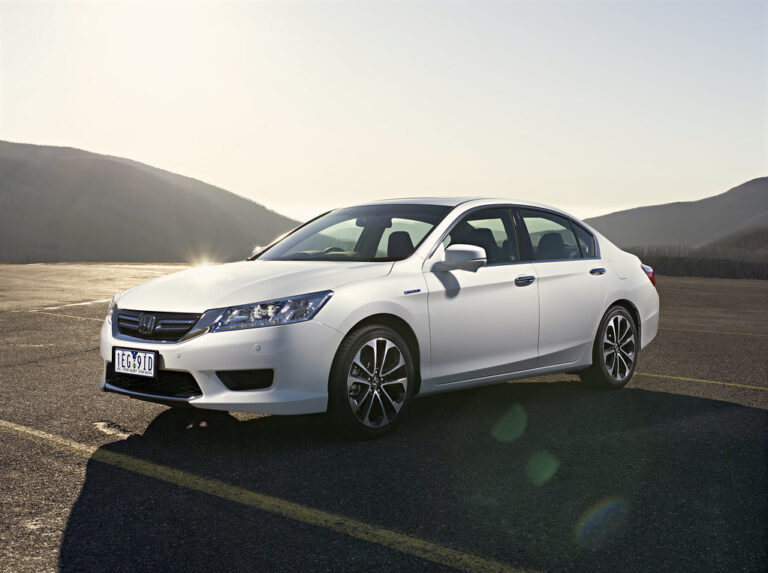
2023 Honda Accord

Furthermore, the Accord’s lightweight and aerodynamic design contribute to its quick 0-60 performance, allowing it to effortlessly glide from a stop to highway speeds in a matter of seconds. Whether you opt for the standard gasoline engine or the available hybrid powertrain, the 2023 Accord delivers an exhilarating driving experience that is sure to leave a lasting impression.

What engine options contribute to the Accord’s 0-60 performance?

The 2023 Honda Accord offers a range of engine options, each contributing to its impressive 0-60 performance. The standard engine is a 1.5-liter turbocharged inline-4, which produces 192 horsepower and 192 lb-ft of torque. This peppy powerplant provides ample acceleration and responsive performance, allowing the Accord to sprint from 0-60 mph in a brisk 7.3 seconds.

For those seeking even more spirited performance, the Accord is also available with a 2.0-liter turbocharged inline-4 engine, generating 252 horsepower and 273 lb-ft of torque. When equipped with this potent powerplant, the Accord is capable of reaching 60 mph from a standstill in just 5.7 seconds, delivering an exhilarating driving experience that is sure to satisfy even the most demanding enthusiasts.

How does the transmission system impact the Accord’s 0-60 performance?

The 2023 Honda Accord offers two transmission options, each playing a crucial role in its 0-60 performance. The standard transmission is a continuously variable transmission (CVT), which provides seamless acceleration and efficient power delivery. This transmission is well-tuned to maximize the engine’s performance, allowing the Accord to reach 60 mph with impressive smoothness and precision.

For drivers seeking a more engaging driving experience, the Accord is also available with a 10-speed automatic transmission. This transmission further enhances the Accord’s acceleration capabilities, providing quick gear changes and responsive power delivery. With the 10-speed automatic, the Accord achieves even quicker 0-60 times, delivering a driving experience that is both exhilarating and refined.

2023 Honda Accord

Conclusion

The 2023 Honda Accord offers impressive 0-60 performance, with the ability to reach 60 mph from a standstill in as little as 5.7 seconds. This quick acceleration is made possible by the Accord’s powerful engine options, refined transmission systems, and lightweight, aerodynamic design. Whether you opt for the standard gasoline engine or the available hybrid powertrain, the Accord delivers an exhilarating driving experience that is sure to leave a lasting impression. With its potent performance and refined driving dynamics, the 2023 Accord sets a new standard for midsize sedan acceleration.

FAQs

Q: Can the 2023 Honda Accord’s 0-60 performance be improved with modifications?

A: While aftermarket modifications may enhance the Accord’s performance, it is important to note that any modifications can impact the vehicle’s warranty and reliability. For those seeking improved 0-60 times, it is recommended to explore factory-approved performance upgrades and enhancements offered by Honda.

Q: How does the 2023 Honda Accord’s 0-60 performance compare to other midsize sedans?

A: The 2023 Honda Accord’s 0-60 performance is among the best in its class, often outpacing competing midsize sedans in acceleration tests. With its quick acceleration and responsive power delivery, the Accord offers a driving experience that is both exhilarating and refined.

Q: Does the 2023 Honda Accord’s hybrid powertrain offer competitive 0-60 performance?

A: The 2023 Honda Accord’s available hybrid powertrain delivers impressive 0-60 performance, thanks to its combination of electric and gasoline propulsion. With its seamless power delivery and efficient acceleration, the Accord Hybrid offers a compelling driving experience that is sure to impress eco-conscious drivers and enthusiasts alike.

Q: What impact does the Accord’s design have on its 0-60 performance?

A: The Accord’s lightweight, aerodynamic design plays a crucial role in its 0-60 performance, allowing it to effortlessly glide from a stop to highway speed in a matter of seconds. This sleek and streamlined design minimizes drag and maximizes efficiency, contributing to the Accord’s quick acceleration and agile handling.

Q: Are there any safety considerations to keep in mind when achieving quick 0-60 times in the 2023 Honda Accord?

A: It is important to always prioritize safety when driving, especially when accelerating rapidly. It is recommended to ensure that the road conditions are suitable for spirited driving and to follow all traffic laws and regulations. Additionally, ensuring that the Accord’s tires and brakes are in optimal condition is crucial for safe and controlled acceleration.

[ad_2]

Choosing the Right Oil for Your 2016 Honda Civic

0

[ad_1]

Welcome to our article discussing choosing the right oil for your 2016 Honda Civic. In this article, we will cover the importance of using the correct oil for your vehicle, the different types of oil available, and how to determine which one is best for your Honda Civic. We’ll also provide some frequently asked questions about oil selection for your convenience.

Why is choosing the right oil important for your 2016 Honda Civic?

Using the right oil for your 2016 Honda Civic is essential in ensuring the longevity and performance of your vehicle. The oil serves as a lubricant for the engine, reducing friction and preventing wear and tear on engine components. Additionally, it helps to regulate engine temperature and prevents the buildup of harmful deposits. Using the wrong oil can lead to decreased fuel efficiency, reduced engine performance, and potential long-term damage to your vehicle.

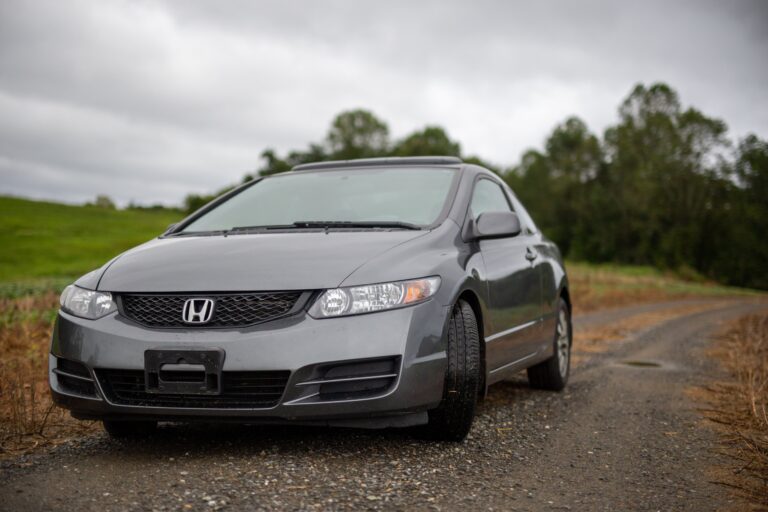
2016 Honda Civic

When it comes to selecting the right oil for your Honda Civic, it’s important to consider the specific requirements of the vehicle as outlined in the owner’s manual. This will ensure that you are using the recommended oil viscosity and type for your specific model, allowing for optimal performance and engine protection.

What are the different types of oil available for your Honda Civic?

There are several different types of oil available for your 2016 Honda Civic, including conventional, synthetic, and high-mileage oils. Conventional oil is derived from crude oil and is suitable for most standard driving conditions. Synthetic oil, on the other hand, is artificially produced and offers increased performance and protection, especially in extreme temperatures and high-stress driving conditions. High-mileage oil is formulated with additives to help reduce oil consumption and minimize wear in older vehicles with higher mileage.

When choosing the right oil for your Honda Civic, it’s important to consider your driving habits, climate, and the age of your vehicle. This will help you determine which type of oil will best meet your needs and provide the necessary protection for your engine.

How do you determine which oil is best for your Honda Civic?

To determine which oil is best for your Honda Civic, you should start by consulting the owner’s manual for your vehicle. The manual will provide specific recommendations for oil viscosity and type based on the engine requirements and performance standards of your model. It’s important to adhere to these recommendations to ensure the proper functioning and longevity of your vehicle.

Additionally, consider factors such as your typical driving conditions, the age of your vehicle, and any specific performance needs. If you live in a climate with extreme temperatures, you may want to consider a synthetic oil for added protection. If your vehicle has higher mileage, high-mileage oil may be beneficial in reducing wear and maintaining engine performance.

What are the potential consequences of using the wrong oil in your Honda Civic?

Using the wrong oil in your 2016 Honda Civic can lead to various potential consequences, including decreased engine performance, increased fuel consumption, and accelerated engine wear. The wrong oil can also lead to the buildup of harmful deposits and sludge within the engine, potentially leading to costly repairs and decreased longevity of the vehicle.

2016 Honda Civic

It’s important to ensure that you are using the recommended oil viscosity and type for your Honda Civic to prevent these potential consequences and maintain the performance and reliability of your vehicle. Regular oil changes using the correct oil will help to ensure the health and longevity of your engine.

Conclusion

Choosing the right oil for your 2016 Honda Civic is crucial in maintaining the performance, longevity, and reliability of your vehicle. By considering the specific requirements of your model, your driving habits, and any unique needs, you can determine the best oil for your Honda Civic to ensure optimal engine protection and performance.

FAQs

What should I do if I can’t find the owner’s manual for my Honda Civic?

If you can’t find the owner’s manual for your Honda Civic, you can contact your local Honda dealership or visit the official Honda website to access an electronic copy. It’s important to obtain the recommended oil specifications for your specific model to ensure the proper functioning and longevity of your vehicle.

Can I switch between different types of oil for my Honda Civic?

While it is generally recommended to stick with the recommended oil type for your Honda Civic, you can switch between different types of oil if necessary. Just be sure to flush out the old oil completely before adding the new type to prevent any potential issues with mixing different oil formulations.

How often should I change the oil in my Honda Civic?

It is generally recommended to change the oil in your Honda Civic every 3,000 to 5,000 miles, depending on your driving habits and the type of oil used. Be sure to consult your owner’s manual for specific recommendations for your model.

What happens if I use the wrong oil in my Honda Civic just once?

Using the wrong oil in your Honda Civic once may not have immediate noticeable consequences, but it can lead to long-term engine wear and potential performance issues. It’s important to use the recommended oil type and viscosity for your vehicle to prevent any potential damage or reduced longevity in the long run.

Can I use high-mileage oil in my newer Honda Civic?

While high-mileage oil is specifically formulated for older vehicles with higher mileage, you can use it in a newer Honda Civic if you’re experiencing issues with oil consumption or engine wear. However, it’s generally advisable to use the recommended oil type for your specific model for optimal performance and engine protection.

[ad_2]
Finding the Right Tire Size for Your 2007 Honda Accord

0

[ad_1]
If you own a 2007 Honda Accord, it’s important to ensure that your vehicle has the right tire size for optimal performance and safety. In this article, we’ll discuss how to determine the correct tire size for your Honda Accord, as well as the factors to consider when choosing the right tires. We’ll also provide some FAQs to address any additional questions you may have.

How do I determine the correct tire size for my 2007 Honda Accord?

One way to determine the correct tire size for your 2007 Honda Accord is to look at the tires currently installed on your vehicle. You can find the tire size printed on the sidewall of the tire. It will be a combination of numbers and letters, such as “225/50R17.” The first number (225) refers to the width of the tire in millimeters. The second number (50) is the aspect ratio, which is the ratio of the tire’s height to its width. The letter (R) indicates the construction type of the tire, and the final number (17) is the diameter of the wheel in inches.

Alternatively, you can also refer to your vehicle’s owner’s manual for the recommended tire size for your specific model of the 2007 Honda Accord. The manual will provide you with the manufacturer’s recommended tire size, as well as any other specifications you need to consider when purchasing new tires. It’s important to match the tire size with the specifications provided by the manufacturer to ensure optimal performance and safety.

What factors should I consider when choosing the right tires for my 2007 Honda Accord?

When choosing the right tires for your 2007 Honda Accord, there are several factors to consider. These include the type of driving you typically do, the climate and weather conditions in your area, and your budget. If you frequently drive in snowy or icy conditions, you may want to consider purchasing winter tires for added traction and safety. On the other hand, if you live in a warmer climate, all-season tires may be more suitable for your driving needs.

You should also consider your budget when choosing the right tires for your 2007 Honda Accord. While it may be tempting to opt for the cheapest option, it’s important to remember that tires are a crucial component of your vehicle’s safety and performance. Investing in high-quality, reputable tires may help to prevent costly repairs and accidents in the long run. Additionally, consider factors such as tread life, handling, and fuel efficiency when choosing the right tires for your Honda Accord.

2007 Honda Accord

What are the benefits of maintaining the correct tire size for my 2007 Honda Accord?

Maintaining the correct tire size for your 2007 Honda Accord is crucial for several reasons. Firstly, using the manufacturer’s recommended tire size ensures that your vehicle’s speedometer and odometer readings are accurate. Incorrect tire sizes can lead to inaccurate readings, which may result in issues with vehicle performance and safety. Additionally, using the correct tire size helps to maintain the proper alignment and suspension of your vehicle, which can prevent premature wear and tear on other components of your car. Moreover, using the correct tire size ensures that your vehicle’s handling and braking capabilities are optimized, which is crucial for your safety and the safety of others on the road.

How often should I replace the tires on my 2007 Honda Accord?

The frequency with which you should replace the tires on your 2007 Honda Accord depends on several factors, including your driving habits, the type of tires you have, and the climate and road conditions in your area. As a general rule of thumb, tires should be replaced every 6-10 years, even if the tread appears to be in good condition. This is because the rubber compounds in tires degrade over time, which can affect their performance and safety. Additionally, if you notice uneven wear on your tires, or if you experience vibrations or handling issues while driving, it may be time to replace your tires sooner. Regularly inspecting your tires for signs of wear and tear, and having them rotated and balanced at regular intervals, can help to prolong their lifespan and ensure optimal performance.

Conclusion

Ensuring that your 2007 Honda Accord has the right tire size is crucial for maintaining its performance and safety on the road. By determining the correct tire size, considering various factors when choosing new tires, and understanding the benefits of maintaining the correct tire size, you can ensure that your Honda Accord is equipped with the best tires for your driving needs. Regularly inspecting and maintaining your tires can also help to prolong their lifespan and maximize their performance.

FAQs

Q: Can I use a different tire size than the manufacturer’s recommended size for my 2007 Honda Accord?

A: It’s always best to use the manufacturer’s recommended tire size for your specific model of the 2007 Honda Accord. Using a different tire size can affect your vehicle’s handling, performance, and safety, and may also lead to issues with your speedometer and odometer readings.

Q: What are the differences between summer and all-season tires for my 2007 Honda Accord?

A: Summer tires are designed for optimal performance in warm and dry conditions, with enhanced grip and handling capabilities. On the other hand, all-season tires are designed to provide adequate performance in a variety of weather conditions, including light snow and rain. Consider your driving habits and climate when choosing between the two types of tires.

2007 Honda Accord

Q: How do I know when it’s time to replace the tires on my 2007 Honda Accord?

A: You should regularly inspect your tires for signs of wear and tear, including tread wear, cracking, and bulges. Additionally, if you notice any handling or performance issues, such as vibrations or difficulty steering, it may be time to replace your tires. Regular maintenance, including tire rotations and balancing, can help to prolong their lifespan.

Q: Are there any specific tire brands that are recommended for my 2007 Honda Accord?

A: While there are many reputable tire brands on the market, it’s important to choose tires that are specifically designed for your Honda Accord and meet the manufacturer’s recommended specifications. Consider factors such as tread life, handling, and fuel efficiency when choosing the right tires for your vehicle.

Q: Can I switch to a different tire size for better performance on my 2007 Honda Accord?

A: While it may be tempting to switch to a different tire size for enhanced performance, it’s best to stick with the manufacturer’s recommended tire size for your specific model of the 2007 Honda Accord. Using a different tire size can lead to issues with vehicle handling, performance, and safety, and may also void your vehicle’s warranty.

[ad_2]

5 Common Issues with the Honda Element to Watch Out For

0

[ad_1]

Are you considering purchasing a Honda Element or do you already own one? This article will discuss five common issues that Honda Element owners may face and how to address them. From transmission problems to electrical issues, it’s important to be aware of potential issues so that you can properly maintain and care for your vehicle. Read on to learn more about these common issues and how to prevent or solve them.

1. What are the common transmission problems with the Honda Element?

One common issue that some Honda Element owners may encounter is transmission problems. This can manifest as rough shifting, slipping, or even complete failure of the transmission. These issues can be caused by a variety of factors, such as low transmission fluid, worn-out clutches or gears, or electrical problems.

To prevent transmission problems, it’s important to regularly check and change the transmission fluid according to the manufacturer’s recommendations. If you notice any unusual behavior from your transmission, it’s best to have it inspected by a qualified mechanic to determine the cause and address it before it becomes a more serious issue.

2. What electrical issues are common in the Honda Element?

Electrical issues are another common concern for Honda Element owners. This can include problems with the power windows, door locks, or dashboard lights. These issues can be caused by faulty wiring, blown fuses, or malfunctioning components within the electrical system.

To prevent electrical issues, regular maintenance and inspection of the electrical system is important. Checking and replacing fuses, as well as ensuring that all wiring and connections are in good condition, can help prevent common electrical problems. If you do encounter an electrical issue, it’s best to have it diagnosed and repaired by a professional to ensure the safety and functionality of your vehicle.

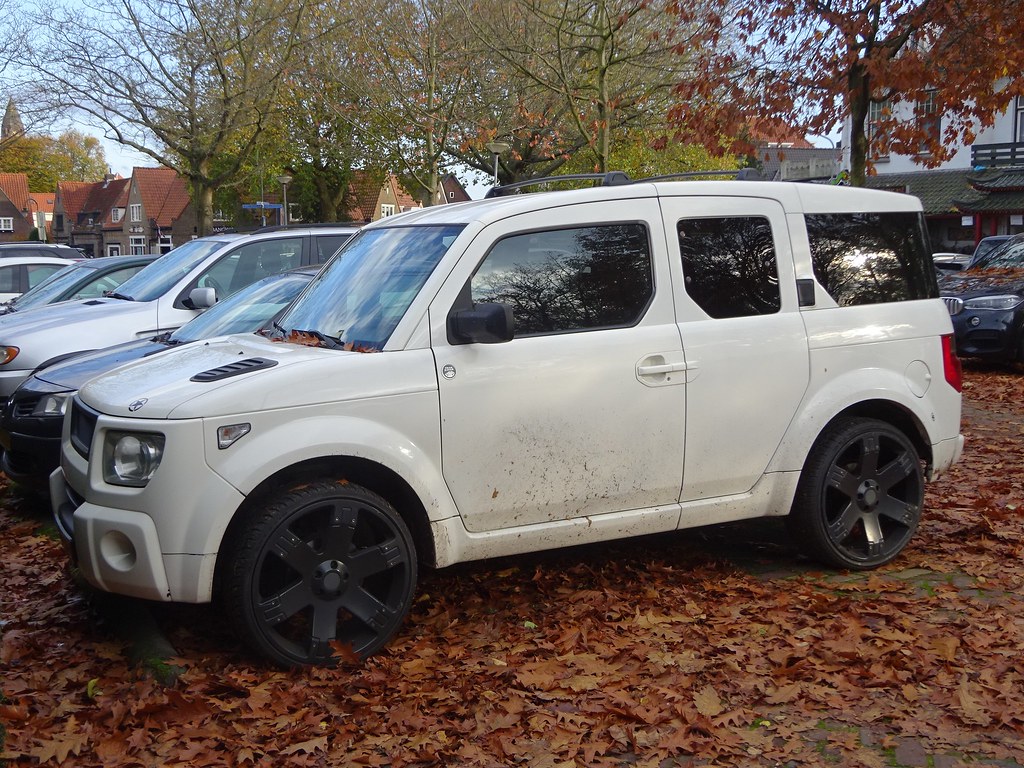
Honda Element

3. What are the common suspension issues in the Honda Element?

Suspension issues are another area of concern for Honda Element owners. This can include problems with the shocks, struts, or sway bars, which can lead to a bumpy or uncomfortable ride. These issues can be caused by normal wear and tear, as well as driving on rough roads or over potholes.

To prevent suspension issues, regular inspection and maintenance of the suspension components is important. Replacing worn out shocks or struts, as well as ensuring proper alignment and tire balance, can help prevent common suspension problems. If you notice any unusual noises or handling characteristics from your suspension, it’s best to have it inspected by a qualified mechanic.

4. What are the common overheating issues in the Honda Element?

Overheating can be a common issue for some Honda Element owners, especially in warmer climates or during heavy use. This can be caused by a variety of factors, such as a faulty thermostat, cooling fan, or radiator. Overheating can lead to serious engine damage if not addressed promptly.

To prevent overheating issues, it’s important to regularly check and maintain the cooling system, including the radiator, hoses, and thermostat. If you notice your vehicle overheating, it’s important to pull over and allow the engine to cool down before inspecting the cooling system. If you’re unable to address the issue yourself, it’s best to have your vehicle inspected by a qualified mechanic.

5. What are the common rust issues in the Honda Element?

Rust can be a common concern for Honda Element owners, especially in regions with harsh weather or near coastal areas. This can manifest as rust on the body panels, frame, or suspension components, which can compromise the structural integrity of the vehicle.

To prevent rust issues, regular washing and waxing of the vehicle can help protect the paint and underbody from corrosion. It’s also important to inspect and touch up any areas of paint or coating that may be chipped or scratched to prevent rust from forming. If you do notice any signs of rust on your vehicle, it’s best to have it addressed by a professional to prevent further damage.

Honda Element

Conclusion

Overall, the Honda Element is a reliable and versatile vehicle, but like any car, it can experience common issues that need to be addressed. By staying proactive with regular maintenance and inspections, you can prevent many of these common issues from becoming more serious and costly problems. If you do encounter any of these issues, it’s important to have them inspected and repaired by a qualified mechanic to ensure the safety and functionality of your vehicle.

FAQs

1. Are these issues common in all Honda models?

While some of these issues may be common across different Honda models, the severity and frequency of these issues can vary depending on the specific make and model. It’s important to research and understand the potential issues specific to the Honda Element to properly maintain and care for your vehicle.

2. Can I address these issues myself?

While some minor maintenance tasks can be performed by the owner, it’s best to have significant issues or concerns addressed by a qualified mechanic who has the expertise and equipment to properly diagnose and repair your vehicle.

3. How can I prevent these issues from occurring?

Regular maintenance and inspections of your vehicle, as well as addressing any potential issues promptly, can help prevent these common issues from occurring or becoming more severe. Following the manufacturer’s recommendations for maintenance and care can also help prevent many common issues.

Honda Element

4. What should I do if I encounter one of these issues?

If you encounter one of these common issues with your Honda Element, it’s important to have it inspected and repaired by a qualified mechanic to ensure the safety and functionality of your vehicle. Ignoring these issues can lead to more severe and costly problems down the road.

5. What is the average lifespan of a Honda Element?

With proper care and maintenance, the Honda Element can last for many years and miles. However, the lifespan of any vehicle can vary depending on factors such as maintenance, driving conditions, and care by the owner.

[ad_2]

Troubleshooting Your Honda Accord’s Charging System

0

[ad_1]

Description

In this article, we will discuss the common issues that can arise in the charging system of your Honda Accord. We will provide troubleshooting tips and advice on how to diagnose and fix these problems. By the end of this article, you will have a better understanding of how to keep your Honda Accord’s charging system in good working condition.

Why is my Honda Accord’s battery constantly dying?

If you find that your Honda Accord’s battery is constantly dying, it could be due to a few different reasons. The first thing to check is the battery itself. Make sure it is holding a proper charge and not damaged in any way. If the battery checks out, the next thing to look at is the alternator. The alternator is responsible for charging the battery while the car is running, so if it is not functioning properly, the battery will not receive a sufficient charge. Another potential issue could be a faulty voltage regulator, which controls the alternator’s output. If the voltage regulator is not working correctly, it can cause the battery to die prematurely.

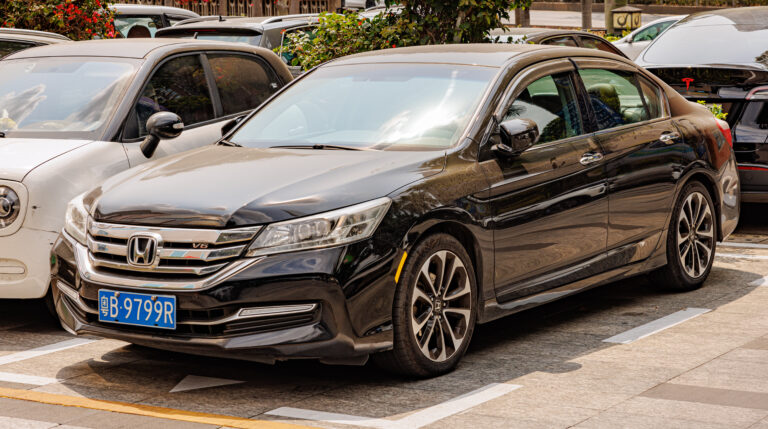
Honda Accord's Charging System

How can I test the alternator on my Honda Accord?

Testing the alternator on your Honda Accord is a relatively simple process. Start by checking the battery voltage with the engine off and then again with the engine running. With the engine off, the battery voltage should be around 12.6 volts. When the engine is running, the voltage should increase to around 13.5-14.5 volts. If the voltage does not increase when the engine is running, it could indicate a problem with the alternator. Another test you can perform is to use a multimeter to check the output of the alternator. With the engine running, connect the multimeter to the battery terminals. The voltage reading should be within the range mentioned earlier. If the voltage is lower, it could indicate a faulty alternator.

What should I do if my Honda Accord’s battery light comes on?

If the battery light on your Honda Accord’s dashboard comes on, it is a sign that there is an issue with the charging system. The first thing to do is to check the alternator belt. If the belt is loose or damaged, it can cause the battery light to come on. If the belt is in good condition, the next step is to check the alternator and the connections to ensure everything is properly connected and functioning. It is important to address any issues with the charging system as soon as possible to prevent further damage to the battery and other electrical components of the car.

Conclusion

In conclusion, it is important to regularly check and maintain your Honda Accord’s charging system to ensure it is functioning properly. By following the troubleshooting tips provided in this article, you can easily diagnose and fix common issues that may arise. Paying attention to warning signs such as a constantly dying battery or a battery light coming on can help prevent more serious problems down the road.

FAQs

How often should I check my Honda Accord’s charging system?

It is a good idea to check your Honda Accord’s charging system at least every six months, especially before the winter months when the cold weather can put more strain on the battery and charging system.

What should I do if my alternator needs to be replaced?

If you determine that your alternator needs to be replaced, it is best to have it done by a professional mechanic. They will have the expertise and tools necessary to properly replace the alternator and ensure it is functioning correctly.

Honda Accord's Charging System

Can a faulty alternator damage my car’s battery?

Yes, a faulty alternator can cause damage to your car’s battery. If the alternator is not providing a proper charge, the battery will not be able to hold a sufficient charge and can become damaged over time.

What is the average lifespan of a Honda Accord’s alternator?

The average lifespan of a Honda Accord’s alternator is around 100,000-150,000 miles. However, this can vary depending on driving conditions and maintenance.

How can I prevent issues with my Honda Accord’s charging system?

Regular maintenance and checks of your Honda Accord’s charging system can help prevent issues from arising. Additionally, keeping an eye on warning signs such as a constantly dying battery or the battery light coming on can help catch problems early before they become more serious.

[ad_2]

The 2023 Honda Pioneer 1000-5: A Closer Look

0

[ad_1]

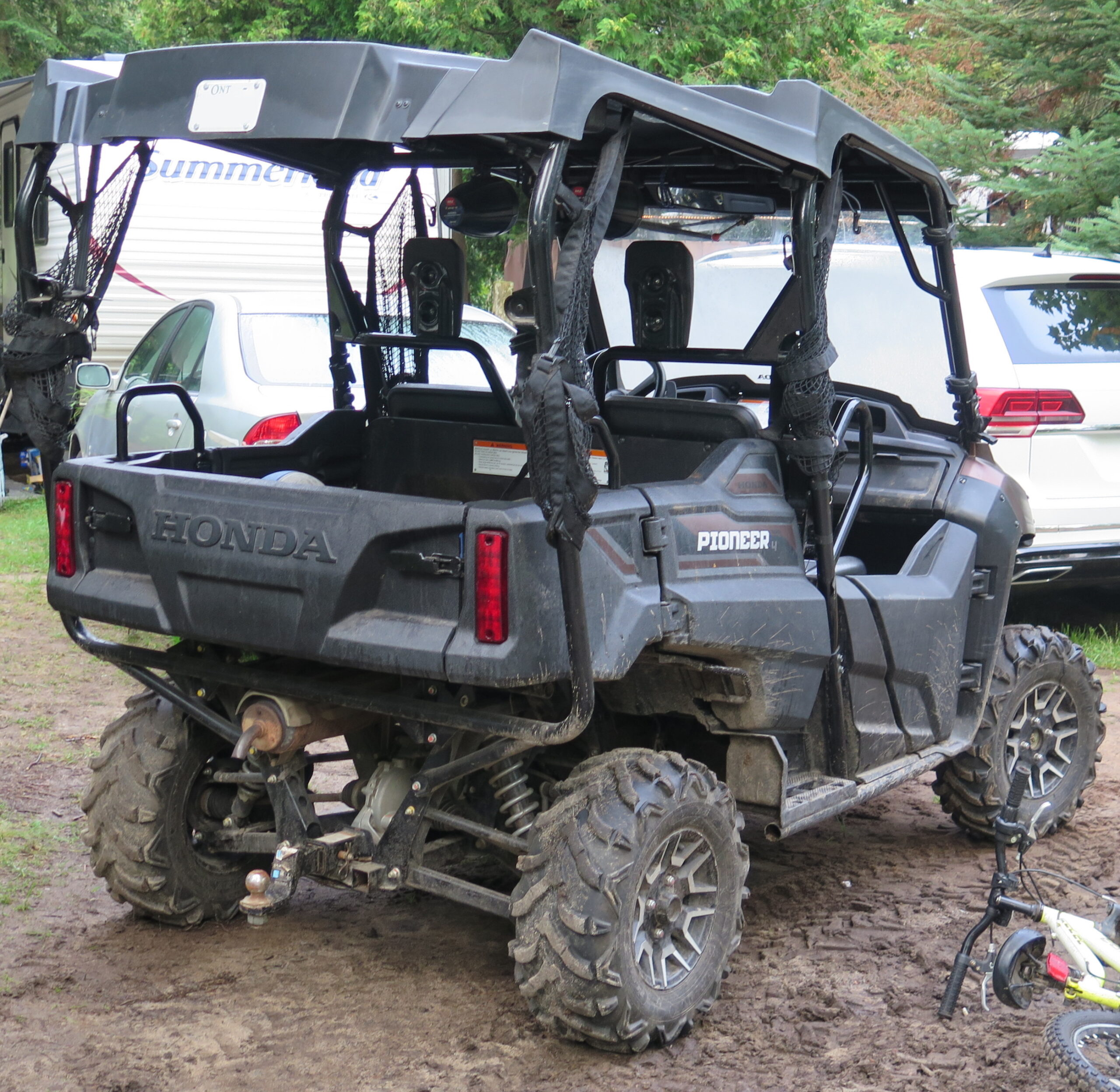
The 2023 Honda Pioneer 1000-5 is an impressive side-by-side utility vehicle that offers a combination of power, performance, and versatility. In this article, we will take a closer look at the features, specifications, and benefits of the 2023 Honda Pioneer 1000-5. Whether you are an off-road enthusiast or a professional looking for a reliable workhorse, the Pioneer 1000-5 has something to offer for everyone.

What are the key features of the 2023 Honda Pioneer 1000-5?

The 2023 Honda Pioneer 1000-5 comes equipped with a powerful 999cc engine that delivers impressive performance both on and off the road. The vehicle features a fully automatic six-speed Dual Clutch Transmission (DCT) with a high/low sub-transmission, providing smooth and seamless power delivery. In addition, the Pioneer 1000-5 also offers a selectable 2WD/4WD drive system with a locking front differential for improved traction in challenging terrain.

Furthermore, the Pioneer 1000-5 features spacious and comfortable seating for up to five passengers, making it an ideal choice for family outings or work-related tasks. The vehicle also comes with a versatile cargo bed with a 1000-pound capacity, allowing you to carry all the gear and equipment you need for your adventures or work projects.

2023 Honda Pioneer 1000-5

What are the performance capabilities of the 2023 Honda Pioneer 1000-5?

The 2023 Honda Pioneer 1000-5 is designed to tackle a wide range of terrains and conditions with ease. The vehicle features a robust suspension system with 10.55 inches of front travel and 10 inches of rear travel, ensuring a smooth and comfortable ride even on rough terrain. The Pioneer 1000-5 also comes equipped with 27-inch tires and 14-inch aluminum wheels, providing excellent ground clearance and traction for off-road adventures.

In addition, the Pioneer 1000-5 features a durable steel frame and a full-body skid plate for added protection against rocks, debris, and other obstacles. With a towing capacity of up to 2000 pounds, the Pioneer 1000-5 is also well-suited for hauling trailers or other heavy loads.

What are the technology and safety features of the 2023 Honda Pioneer 1000-5?

The 2023 Honda Pioneer 1000-5 comes equipped with a range of technology and safety features to enhance the overall driving experience. The vehicle features a digital display with speedometer, tachometer, odometer, trip meter, fuel gauge, and more, allowing you to stay informed about various vehicle parameters at a glance.

Furthermore, the Pioneer 1000-5 also offers electronic power steering for improved handling and maneuverability, as well as a range of safety features such as seat belts, doors, and a rugged occupant protection structure. The vehicle also comes with LED headlights and taillights for enhanced visibility in low-light conditions.

How does the 2023 Honda Pioneer 1000-5 compare to other side-by-side utility vehicles?

The 2023 Honda Pioneer 1000-5 stands out from the competition thanks to its combination of power, performance, and versatility. With its spacious seating for up to five passengers, a versatile cargo bed, and a range of performance and safety features, the Pioneer 1000-5 is well-suited for a wide range of applications, including recreational off-roading, work-related tasks, and more.

In comparison to other side-by-side utility vehicles, the Pioneer 1000-5 offers an impressive blend of comfort, capability, and convenience, making it an ideal choice for those who value reliability and performance in their vehicles.

Conclusion

The 2023 Honda Pioneer 1000-5 is a top-notch side-by-side utility vehicle that delivers impressive performance, versatility, and safety features. Whether you are planning an off-road adventure with your family or need a reliable workhorse for heavy-duty tasks, the Pioneer 1000-5 has something to offer for everyone. With its powerful engine, spacious seating, versatile cargo bed, and advanced technology, the Pioneer 1000-5 is a standout choice in the side-by-side utility vehicle market.

2023 Honda Pioneer 1000-5

FAQs

Is the 2023 Honda Pioneer 1000-5 suitable for off-road use?

Yes, the 2023 Honda Pioneer 1000-5 is well-suited for off-road use, thanks to its robust suspension system, high ground clearance, and durable construction. Whether you are tackling rocky trails, muddy paths, or other challenging terrains, the Pioneer 1000-5 is up to the task.

Can the 2023 Honda Pioneer 1000-5 be used for towing?

Yes, the 2023 Honda Pioneer 1000-5 has a towing capacity of up to 2000 pounds, making it suitable for hauling trailers, equipment, or other heavy loads as needed.

What kind of technology features does the 2023 Honda Pioneer 1000-5 offer?

The 2023 Honda Pioneer 1000-5 comes equipped with a digital display, electronic power steering, and LED headlights and taillights, among other technology features, to enhance the overall driving experience.

How does the cargo bed of the 2023 Honda Pioneer 1000-5 compare to other side-by-side utility vehicles?

The cargo bed of the 2023 Honda Pioneer 1000-5 offers a 1000-pound capacity, making it one of the most versatile and capable cargo beds in its class. Whether you need to haul gear, equipment, or other items, the Pioneer 1000-5 has you covered.

What sets the 2023 Honda Pioneer 1000-5 apart from other side-by-side utility vehicles?

The 2023 Honda Pioneer 1000-5 stands out from the competition thanks to its powerful engine, spacious seating for up to five passengers, and advanced technology and safety features. With its impressive blend of performance, comfort, and versatility, the Pioneer 1000-5 is a standout choice for those in need of a reliable and capable side-by-side utility vehicle.

[ad_2]

Exploring the 2023 Honda Civic Sedan Configurations

0

[ad_1]

Welcome to our guide on exploring the 2023 Honda Civic Sedan configurations! In this article, we will take a closer look at the different trim levels and features offered by the 2023 Honda Civic Sedan, helping you to make an informed decision when it comes to purchasing this popular vehicle. Whether you’re a first-time buyer or a seasoned Honda enthusiast, this article has something for everyone.

What are the available trim levels for the 2023 Honda Civic Sedan?

The 2023 Honda Civic Sedan is available in four distinct trim levels: LX, Sport, EX, and Touring. Each trim offers its own unique set of features and upgrades, catering to a wide range of drivers and their individual preferences. The LX trim serves as the base model, providing essential amenities and solid performance. The Sport trim adds sporty elements and enhanced performance, making it an appealing choice for those looking for a more dynamic driving experience. The EX trim offers additional comfort and convenience features, while the Touring trim represents the highest level of luxury and technology available for the Civic Sedan.

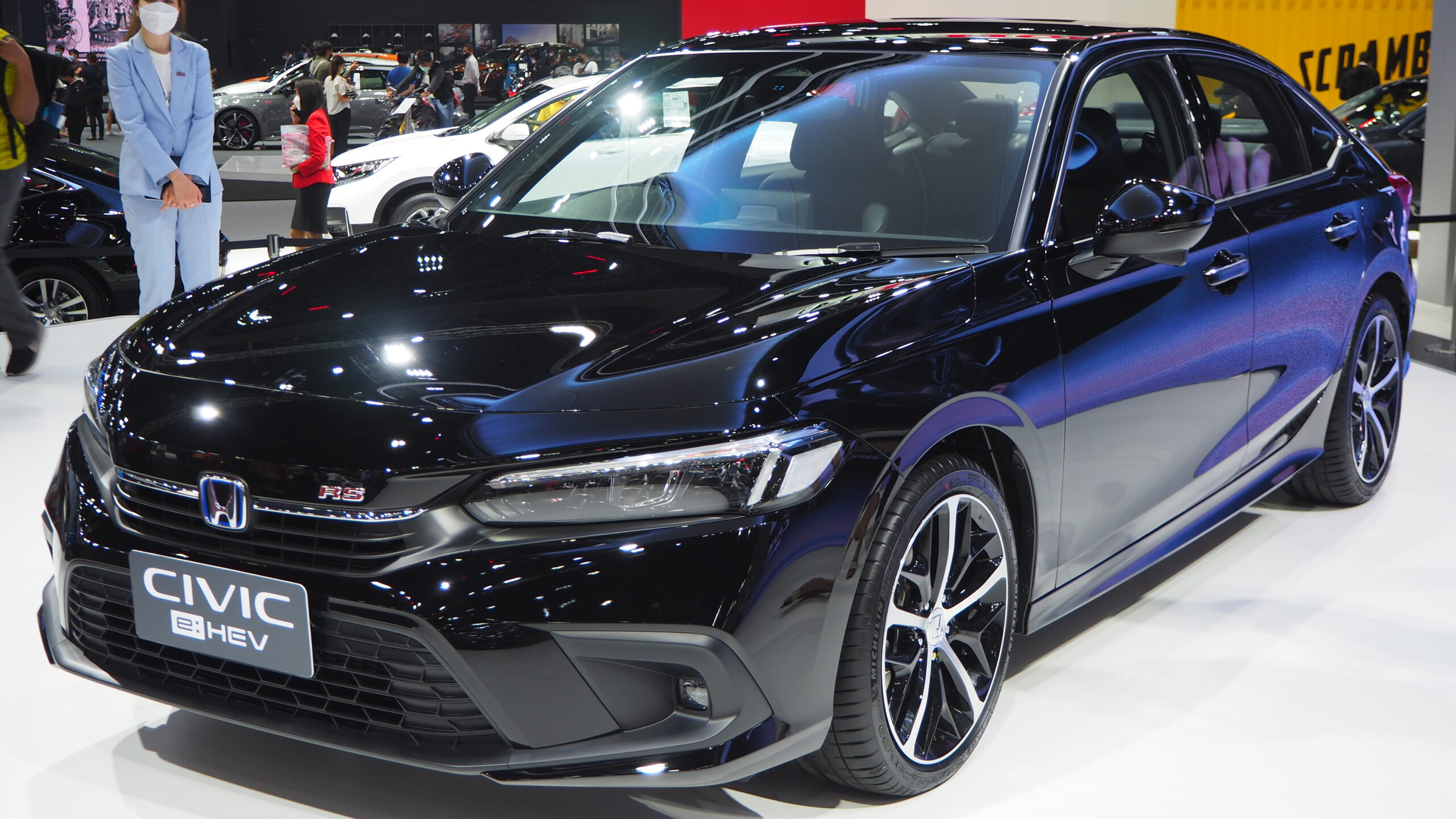
2023 Honda Civic Sedan

Regardless of your desired features and budget, the 2023 Honda Civic Sedan provides a trim level to suit your needs. From practicality to luxury, there is a configuration to match your lifestyle.

What are the key features of each trim level?

The LX trim comes equipped with a 2.0L 4-cylinder engine, offering an impressive balance of power and fuel efficiency. Inside, you’ll find a 7-inch touchscreen display, Apple CarPlay and Android Auto integration, and Honda Sensing® safety and driver-assistive technologies as standard. Moving up to the Sport trim, you’ll enjoy a more aggressive exterior design, a 7-inch digital driver’s meter, and a leather-wrapped steering wheel for added comfort.

The EX trim adds luxury touches such as a one-touch power moonroof, dual-zone automatic climate control, and an 8-inch touchscreen display. If you opt for the Touring trim, you’ll gain access to premium features like a Bose premium sound system, wireless Apple CarPlay and Android Auto integration, leather-trimmed seats, and a 9-inch touchscreen display with navigation.

What are the available customization options for the 2023 Honda Civic Sedan?

For drivers who want to further personalize their 2023 Honda Civic Sedan, Honda offers a range of additional accessories and packages. These include options such as a rear spoiler, body-side molding, door visors, and various interior enhancements. Additionally, Honda Genuine Accessories allow for customization based on individual preferences, whether it’s adding extra storage solutions, protection features, or styling elements to enhance the overall look and feel of the vehicle.

2023 Honda Civic Sedan

With a plethora of available customization options, the 2023 Honda Civic Sedan can be tailored to suit a wide variety of tastes and needs. Whether you prioritize performance, style, or practicality, there is an option for you.

What are the performance specifications for the 2023 Honda Civic Sedan?

For those seeking a balance of performance and efficiency, the 2023 Honda Civic Sedan delivers with two engine choices. The LX and Sport trims are powered by a 2.0L 4-cylinder engine, producing 158 horsepower and 138 lb-ft of torque. Meanwhile, the EX and Touring trims are equipped with a more potent 1.5L turbocharged 4-cylinder engine, generating 180 horsepower and 177 lb-ft of torque.

Both engines are paired with a continuously variable transmission (CVT) for smooth and responsive acceleration. Furthermore, the 2023 Honda Civic Sedan offers excellent fuel economy, making it an economical choice for daily driving without sacrificing performance.

Conclusion

The 2023 Honda Civic Sedan presents a compelling array of configurations and features, catering to a broad spectrum of drivers. Whether you prioritize efficiency, performance, comfort, or technology, there is a trim level to meet your specific needs. With the option to further customize your Civic Sedan using Honda Genuine Accessories, the possibilities for personalization are virtually endless. Regardless of your preferences, the 2023 Honda Civic Sedan is sure to offer a driving experience that is both enjoyable and practical.

FAQs

Can I add additional safety features to the 2023 Honda Civic Sedan?

Yes, Honda offers a range of additional safety features and driver-assistive technologies that can be added to the 2023 Civic Sedan through various packages and accessories. These include options such as blind-spot monitoring, rear cross-traffic alert, and parking sensors, enhancing the overall safety and peace of mind provided by the vehicle.

What is the warranty coverage for the 2023 Honda Civic Sedan?

The 2023 Honda Civic Sedan is covered by a comprehensive warranty that includes a 3-year/36,000-mile limited warranty, a 5-year/60,000-mile powertrain warranty, and a corrosion limited warranty. Additionally, Honda offers a range of extended warranty options for further peace of mind.

Does the 2023 Honda Civic Sedan offer advanced infotainment features?

Yes, the 2023 Honda Civic Sedan comes equipped with a range of advanced infotainment features, including touchscreen displays, smartphone integration, and premium audio systems. The higher trim levels offer even more advanced technology, such as wireless connectivity and built-in navigation.

Are there performance upgrades available for the 2023 Honda Civic Sedan?

While the 2023 Honda Civic Sedan comes well-equipped with impressive performance capabilities, Honda Genuine Accessories offers a range of performance upgrades for those looking to enhance their driving experience. These include options such as sport exhaust systems, upgraded suspension components, and performance air intake systems.

Can I test drive the 2023 Honda Civic Sedan before making a purchase?

Absolutely! Honda dealerships offer the opportunity to test drive the 2023 Civic Sedan, allowing you to experience its performance, comfort, and features firsthand. It’s always recommended to take a test drive to ensure that the vehicle meets your expectations and requirements.

[ad_2]

2022 Honda Civic Hatchback: Configuration Options

0

[ad_1]

Welcome to our guide on the 2022 Honda Civic Hatchback! In this article, we will discuss the various configuration options available for this popular vehicle. Whether you’re interested in the different trim levels, engine choices, or interior features, we’ve got you covered with all the details you need to know.

What trim levels are available for the 2022 Honda Civic Hatchback?

For the 2022 model year, the Honda Civic Hatchback is offered in four different trim levels: LX, Sport, EX, and Sport Touring. The LX is the base model, while the Sport and EX offer additional features and amenities. The Sport Touring is the highest trim level and comes fully loaded with luxury options.

Each trim level offers a unique set of features and options to cater to different preferences and budgets. From basic necessities to advanced technology and premium materials, there’s a Civic Hatchback trim level for everyone.

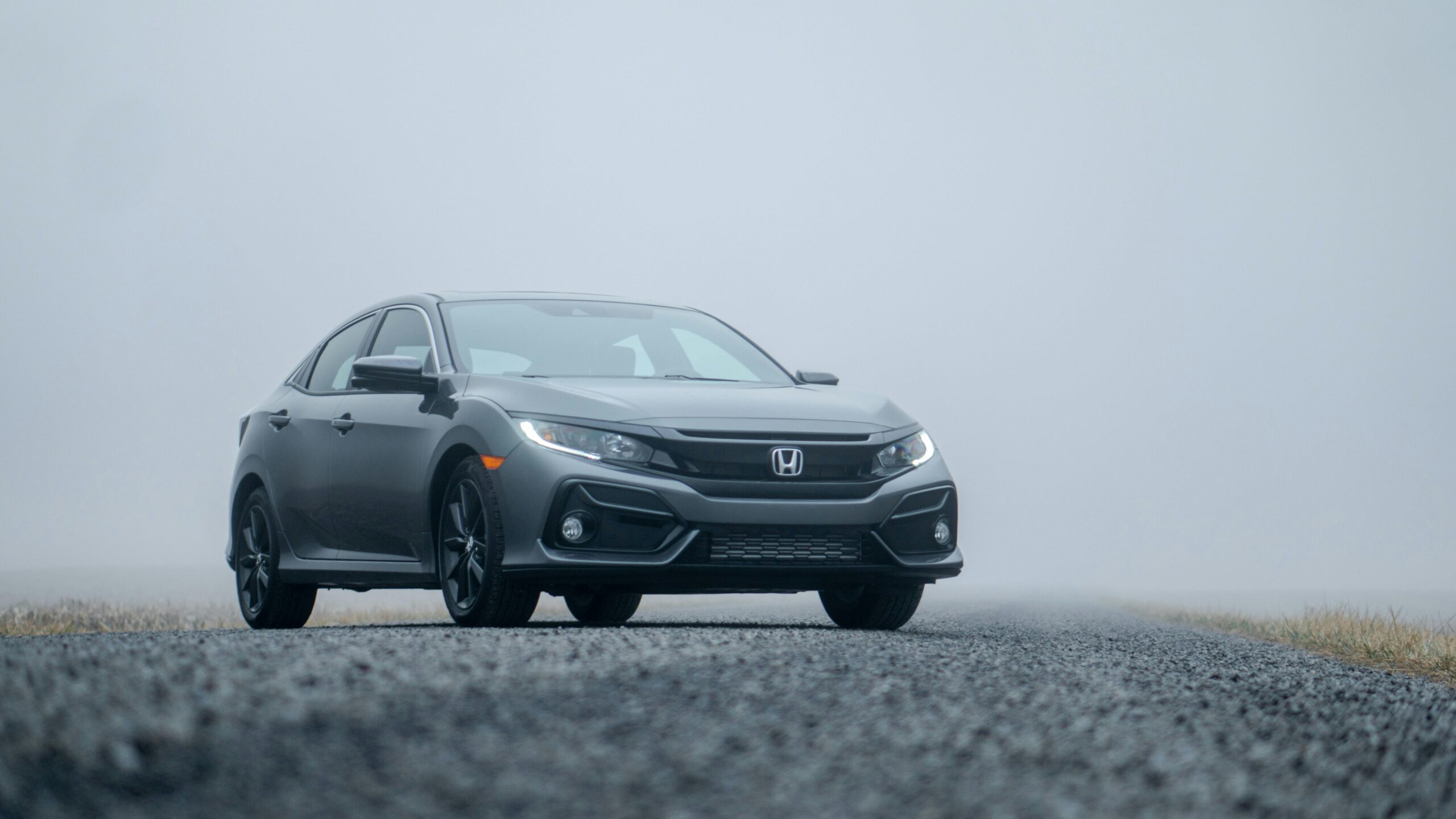
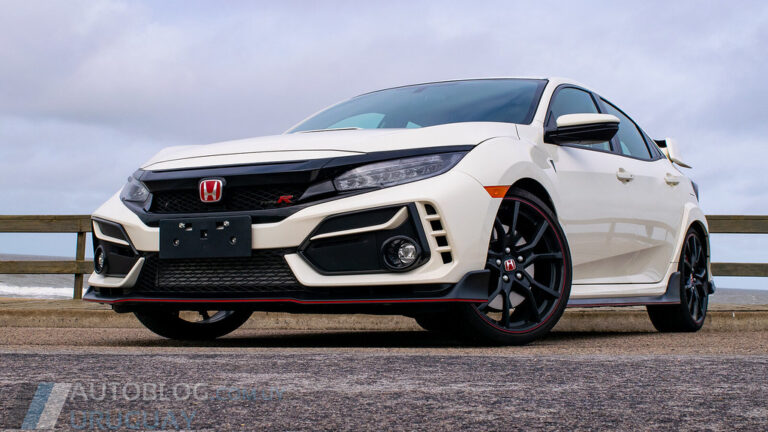
2022 Honda Civic Hatchback
OLYMPUS DIGITAL CAMERA

What engine choices are available for the 2022 Honda Civic Hatchback?

The 2022 Honda Civic Hatchback comes with two engine options. The base LX and Sport trims are equipped with a 2.0-liter inline-4 engine that delivers 158 horsepower and 138 lb-ft of torque. On the other hand, the EX and Sport Touring trims are powered by a more powerful 1.5-liter turbocharged inline-4 engine, producing 180 horsepower and 177 lb-ft of torque.

Both engine options are paired with a smooth and responsive continuously variable transmission (CVT) that offers excellent fuel efficiency and a dynamic driving experience. Whether you prioritize fuel economy or spirited performance, the Civic Hatchback has an engine choice to suit your needs.

What interior features can be customized in the 2022 Honda Civic Hatchback?

The 2022 Honda Civic Hatchback offers a range of interior features and options that can be customized based on the chosen trim level. Some of the key highlights include a touchscreen infotainment system, smartphone integration, premium audio system, leather-trimmed seats, heated front seats, dual-zone automatic climate control, and a power moonroof.

Additionally, the Honda Sensing suite of driver-assistive and safety technologies is available on all trim levels, providing peace of mind and added confidence behind the wheel. With these customizable interior features, you can tailor the Civic Hatchback to meet your specific preferences and comfort requirements.

Are there any optional packages or accessories available for the 2022 Honda Civic Hatchback?

Yes, Honda offers a range of optional packages and individual accessories that allow customers to further customize and enhance their Civic Hatchback. These include the Honda Civic Protection package, exterior and interior appearance packages, wheel upgrades, all-season floor mats, cargo organizers, and more.

Whether you’re looking to personalize the exterior styling, add practical conveniences, or improve overall protection, there are plenty of options to choose from to make your Civic Hatchback uniquely yours.

2022 Honda Civic Hatchback

Conclusion

The 2022 Honda Civic Hatchback offers an array of configuration options to cater to the diverse needs and preferences of its customers. With multiple trim levels, engine choices, customizable interior features, and optional packages, buyers can tailor their Civic Hatchback to best suit their lifestyle and driving habits. Whether you prioritize practicality, performance, or luxury, the Civic Hatchback has something for everyone.

FAQs

Q: Does the 2022 Honda Civic Hatchback offer all-wheel drive?

No, the 2022 Civic Hatchback is only available with front-wheel drive.

Q: Is there a manual transmission option for the 2022 Honda Civic Hatchback?

Unfortunately, Honda has discontinued the manual transmission option for the Civic Hatchback starting with the 2022 model year. The only available transmission is a continuously variable transmission (CVT).

Q: What is the fuel economy of the 2022 Honda Civic Hatchback?

The fuel economy of the 2022 Civic Hatchback varies depending on the trim level and engine choice. The LX and Sport trims equipped with the 2.0-liter engine achieve an EPA-estimated 31 mpg in the city and 40 mpg on the highway, while the EX and Sport Touring trims with the 1.5-liter turbocharged engine achieve an EPA-estimated 30 mpg in the city and 37 mpg on the highway.

2022 Honda Civic Hatchback

Q: Can I install aftermarket accessories on the 2022 Honda Civic Hatchback?

While Honda offers a range of genuine accessories specifically designed for the Civic Hatchback, customers can also choose to install aftermarket accessories. However, it’s important to ensure that any aftermarket accessories are compatible and do not void the vehicle’s warranty.

Q: What safety features are standard on the 2022 Honda Civic Hatchback?

All 2022 Civic Hatchback trim levels come standard with the Honda Sensing suite of driver-assistive and safety technologies, including collision mitigation braking system, road departure mitigation system, adaptive cruise control, lane-keeping assist system, and forward collision warning.

[ad_2]

Color Options for the 2002 Honda XR200R

0

[ad_1]

Welcome to our guide on the color options available for the 2002 Honda XR200R. In this article, we will explore the various color choices offered for this model and provide you with all the information you need to know before making your purchase. Whether you’re looking to buy a new XR200R or simply want to learn more about the available color options, you’ve come to the right place.

What are the color options for the 2002 Honda XR200R?

The 2002 Honda XR200R was available in two different color options: Fighting Red and Nuclear Red. The Fighting Red option featured a vibrant red color that exuded confidence and sportiness. It was a popular choice among riders who wanted to make a bold statement on the trails or tracks. On the other hand, the Nuclear Red option offered a deeper, more intense shade of red that added a touch of sophistication to the bike’s appearance. Both color options were well-received by enthusiasts and offered a great way to customize the XR200R to fit individual preferences.

2002 Honda XR200R

Both color options were complemented by sleek and modern graphics that enhanced the overall look of the bike. The combination of the bold color choices and stylish graphics made the 2002 XR200R stand out from its competitors and added to its appeal among riders.

Which color option is more popular among XR200R enthusiasts?

While personal preferences vary, it’s safe to say that both color options had their fair share of admirers. The Fighting Red option appealed to riders who wanted a more vibrant and eye-catching look for their XR200R, while the Nuclear Red option attracted those who preferred a deeper and more refined appearance. Ultimately, the popularity of each color option often came down to individual tastes and style preferences.

Some riders also opted to customize the color of their XR200R through aftermarket paint or graphic kits, allowing them to create a truly unique and personalized look for their bikes. This level of customization further added to the popularity of the XR200R among enthusiasts, as it offered a canvas for creativity and individual expression.

Are there any limited edition color options for the 2002 Honda XR200R?

While the 2002 XR200R did not have specific limited edition color options, Honda occasionally released special graphics or decal kits for certain models. These kits allowed riders to further customize the appearance of their bikes and take their personalization to the next level. These limited edition graphics often featured unique designs or color schemes, adding an extra element of exclusivity for those who wanted to make their XR200R truly one-of-a-kind.

Despite the lack of official limited edition color options, the availability of aftermarket customization parts and accessories meant that riders could always find ways to make their XR200R stand out from the crowd, regardless of the original color choice.

What maintenance tips are recommended for preserving the color of the 2002 Honda XR200R?

To keep the color of your XR200R looking its best, it’s important to regularly clean and maintain the bike’s exterior surfaces. This includes washing off dirt, grime, and other contaminants that could dull the vibrancy of the paint and graphics. Using a mild detergent and soft cloth, gently wipe down the bike’s surfaces to remove any accumulated residue. It’s also a good idea to apply a protective wax or sealant to the paint and graphics to maintain their luster and prevent fading from UV exposure.

In addition, storing the XR200R in a covered or shaded area when not in use can go a long way in preserving the color and overall appearance of the bike. By taking these simple maintenance steps, you can ensure that the color options for your 2002 Honda XR200R continue to look great for years to come.

Conclusion

In conclusion, the 2002 Honda XR200R was available in two distinct color options, Fighting Red and Nuclear Red, both of which offered unique appeal and style. Whether you preferred a bold and vibrant look or a deeper and more refined appearance, the XR200R provided riders with the opportunity to personalize their bikes to suit their individual tastes.

With its sleek graphics and modern design, the XR200R was a standout choice for those seeking a visually striking and capable off-road bike. Additionally, the availability of aftermarket customization options allowed for even further personalization, making the XR200R a versatile and popular choice among enthusiasts.

2002 Honda XR200R

FAQs

1. Can I customize the color of my XR200R?

Yes, you can customize the color of your XR200R through aftermarket paint or graphic kits, allowing for a truly unique and personalized look for your bike.

2. Are there any limited edition color options for the 2002 Honda XR200R?

While the 2002 XR200R did not have specific limited edition color options, Honda occasionally released special graphics or decal kits for certain models, allowing for extra customization.

3. How can I preserve the color of my XR200R?

To preserve the color of your XR200R, it’s important to regularly clean and maintain the bike’s exterior surfaces, as well as apply a protective wax or sealant to prevent fading from UV exposure.

4. Which color option is more popular among XR200R enthusiasts?

Both the Fighting Red and Nuclear Red options had their fair share of admirers, with popularity often coming down to individual tastes and style preferences.

5. What maintenance tips are recommended for the XR200R’s color?

Regularly cleaning, applying protective wax or sealant, and storing the bike in a covered or shaded area when not in use are recommended maintenance tips for preserving the color of the XR200R.

[ad_2]

Popular Honda Sedans

0

[ad_1]

Description

In this article, we will discuss some of the popular Honda sedans in the market. We will explore the features, performance, and overall value of these vehicles, providing an insightful guide for anyone considering purchasing a Honda sedan.

What are the key features of the Honda Accord?

The Honda Accord is a popular sedan known for its reliability, comfort, and overall value. One of the key features of the Accord is its spacious and well-designed interior, providing ample room for passengers and cargo. The Accord also offers a smooth and efficient ride, thanks to its responsive handling and fuel-efficient engine options.

Additionally, the Accord comes equipped with a wide range of advanced technology and safety features, including a user-friendly infotainment system, driver assistance features, and high-quality materials throughout the cabin. Overall, the Honda Accord stands out as a well-rounded and practical choice for sedan buyers.

Honda Civic

What makes the Honda Civic a popular choice among sedan buyers?

The Honda Civic is another highly regarded sedan in the market, known for its sporty performance, fuel efficiency, and modern design. One of the key appeals of the Civic is its engaging driving dynamics, offering a responsive and agile experience behind the wheel. The Civic also delivers impressive fuel economy, making it a practical choice for daily commuting.

In terms of design, the Civic stands out with its sleek and contemporary aesthetics, featuring a stylish exterior and a well-appointed interior with comfortable seating and intuitive controls. The Civic also comes with a host of standard and available features, including advanced safety technologies and connectivity options, adding to its overall appeal.

What sets the Honda Insight apart from other sedans?

The Honda Insight distinguishes itself as a hybrid sedan, offering a blend of fuel efficiency, comfort, and advanced technology. One of the standout features of the Insight is its exceptional fuel economy, providing an eco-friendly driving experience without sacrificing performance. The Insight also offers a smooth and composed ride, delivering a comfortable and quiet cabin environment for passengers.

Furthermore, the Insight comes equipped with a range of cutting-edge features, such as an intuitive infotainment system, advanced driver assistance technologies, and a spacious interior with high-quality materials. With its hybrid powertrain, the Honda Insight appeals to environmentally-conscious buyers seeking a practical and stylish sedan.

Honda Civic

What are the notable features of the Honda Accord Hybrid?

The Honda Accord Hybrid is a variant of the popular Accord sedan, featuring a hybrid powertrain for enhanced fuel efficiency. One of the key features of the Accord Hybrid is its impressive gas-electric hybrid system, delivering exceptional fuel economy without compromising on performance. The Accord Hybrid offers a refined and comfortable ride, making it an ideal choice for long-distance travel.

In addition to its hybrid prowess, the Accord Hybrid comes equipped with a range of modern conveniences and safety features, including a user-friendly infotainment system, advanced driver assistance technologies, and a spacious and upscale interior. With its blend of efficiency, comfort, and advanced features, the Honda Accord Hybrid stands out as a compelling option in the sedan segment.

Conclusion

In conclusion, Honda offers a diverse and compelling lineup of sedans that cater to a wide range of preferences and needs. From the reliable and versatile Accord to the sporty and efficient Civic, Honda sedans stand out for their quality, performance, and value. Whether you prioritize fuel efficiency, advanced technology, or overall comfort, Honda has a sedan to suit your lifestyle.

Honda Civic

FAQs

Are Honda sedans reliable?

Yes, Honda sedans are known for their reliability and durability. With regular maintenance and care, Honda sedans can provide years of trouble-free driving experience.

Do Honda sedans offer advanced safety features?

Yes, Honda sedans come equipped with a wide range of advanced safety technologies, such as collision mitigation braking systems, adaptive cruise control, lane-keeping assist, and more.

What is the fuel economy like for Honda sedans?

Honda sedans are known for their impressive fuel economy, with models like the Civic and Accord offering excellent efficiency in both city and highway driving conditions.

Do Honda sedans offer spacious interiors?

Yes, Honda sedans are designed to provide ample space for both passengers and cargo, ensuring comfort and practicality for daily use and longer trips.

Are Honda sedans a good value for the money?

Absolutely, Honda sedans offer a compelling combination of features, performance, and reliability, making them a great value for buyers seeking a practical and enjoyable driving experience.

[ad_2]

Replacing Honda XR200R Fuel Tank Mounting Bolts: A How-To Guide

0

[ad_1]

In this article, we will discuss the step-by-step process of replacing the fuel tank mounting bolts on a Honda XR200R. This is a common maintenance task that can be easily done at home with the right tools and knowledge. We will walk you through the process and provide helpful tips along the way. By the end of this guide, you will have the confidence to tackle this job on your own.

What tools do I need for this task?

To replace the fuel tank mounting bolts on your Honda XR200R, you will need a set of metric sockets and wrenches, a ratchet, and some lubricating oil. It’s also a good idea to have a container to catch any fuel that may spill during the process. Make sure you have the right size sockets and wrenches for the job and always work in a well-ventilated area to avoid inhaling any fumes.

Before you begin, it’s a good idea to gather all the necessary tools and have them within reach. This will make the job go more smoothly and prevent any unnecessary interruptions.

How do I remove the old mounting bolts?

Start by locating the fuel tank mounting bolts on your XR200R. They are typically located near the top of the tank and are used to secure the tank to the frame of the motorcycle. Use your ratchet and the appropriate socket to loosen and remove the bolts. Be careful not to apply too much pressure, as you don’t want to strip the threads or damage the bolts.

Once the bolts are removed, carefully lift the fuel tank away from the frame and set it aside in a safe location. You may need to gently wiggle the tank to free it from any remaining pressure points.

How do I install the new mounting bolts?

Start by applying a small amount of lubricating oil to the threads of the new mounting bolts. This will help prevent them from seizing and make future removal easier. Carefully position the fuel tank back onto the frame, aligning the holes with the mounting points. Insert the new bolts and hand-tighten them to ensure they are properly seated.

Once the new bolts are in place, use your ratchet and socket to tighten them to the manufacturer’s recommended torque specifications. Be sure to check the owner’s manual for the correct torque values, as over-tightening can cause damage and under-tightening can lead to loose bolts.

Honda XR200R

Is there anything else I need to consider?

Before you start the engine or ride your XR200R, it’s important to double-check the tightness of the new fuel tank mounting bolts. Give each bolt a final turn with your ratchet to ensure they are secure. Additionally, inspect the surrounding area for any signs of fuel leakage or damage.

Finally, take a moment to appreciate the work you’ve done and the improved safety and stability of your motorcycle. Regular maintenance tasks like this one can help extend the life of your vehicle and ensure a smooth riding experience.

Conclusion

Replacing the fuel tank mounting bolts on your Honda XR200R is a simple and rewarding task. With the right tools and a little know-how, you can easily tackle this job at home. By following the steps outlined in this guide and taking the time to do the job correctly, you can ensure the safety and reliability of your motorcycle for years to come.Honda XR200R

FAQs

Are there any special precautions I should take when working with fuel?

When working with the fuel tank, it’s important to work in a well-ventilated area and avoid any open flames or sparks. Additionally, it’s a good idea to have a container to catch any spilled fuel and to wear gloves to protect your hands. Always follow the manufacturer’s recommendations for handling and disposing of fuel.

Do I need to drain the fuel tank before starting this task?

It’s not necessary to drain the fuel tank for this particular task, as you will only be removing the tank temporarily to access the mounting bolts. However, if you plan to do additional work that requires the tank to be completely removed, it may be a good idea to drain the fuel to prevent spills and accidents.

How often should I replace the fuel tank mounting bolts?

It’s a good idea to inspect the condition of the fuel tank mounting bolts whenever you perform routine maintenance on your XR200R. If you notice any signs of wear or damage, it’s best to replace them as soon as possible to ensure the safety and integrity of the fuel tank. Otherwise, you can consider replacing them every few years as part of a preventative maintenance plan.

Can I use any type of lubricating oil on the new mounting bolts?

It’s best to use a lubricating oil that is specifically designed for use on metal fasteners. Avoid using too much oil, as this can attract dirt and debris and make the bolts more difficult to remove in the future. A small amount of oil applied to the threads before installation should be sufficient to prevent seizing.

Do I need to use a torque wrench to tighten the new mounting bolts?

While it’s possible to tighten the new mounting bolts by hand, it’s best to use a torque wrench to ensure they are tightened to the correct specification. This will help prevent over-tightening or under-tightening, which can lead to damage or safety issues down the road. Refer to the owner’s manual for the recommended torque values for your XR200R.

[ad_2]

Introducing the 2023 Honda Pilot Black Edition

0

[ad_1]

Get ready to experience the next level of luxury and style with the all-new 2023 Honda Pilot Black Edition. In this article, we’ll take a closer look at the features, design, and performance of this stunning SUV. From its sleek exterior to its high-tech interior, you’ll discover why the 2023 Honda Pilot Black Edition is a game-changer in the world of SUVs.

What are the standout features of the 2023 Honda Pilot Black Edition?

The 2023 Honda Pilot Black Edition is designed to turn heads with its bold and sophisticated look. This special edition model features exclusive black exterior accents, including sleek black 20-inch alloy wheels, black roof rails, and blacked-out grille and trim. Inside, you’ll find luxurious black leather-trimmed seating, a wireless phone charger, and a premium audio system. The Black Edition also comes equipped with the Honda Sensing suite of safety and driver-assistive technologies, providing you with peace of mind on every journey.

The 2023 Honda Pilot Black Edition is powered by a 3.5-liter V6 engine, delivering plenty of power and a smooth, responsive ride. With all-wheel drive and available Intelligent Traction Management, you can confidently navigate various road conditions, whether you’re tackling city streets or venturing off the beaten path.

How does the design set the 2023 Honda Pilot Black Edition apart?

The design of the 2023 Honda Pilot Black Edition is both eye-catching and functional. Its aggressive stance and sleek lines give it a commanding presence on the road, while its blacked-out accents and unique styling details make it a standout in the SUV segment. The black leather-trimmed interior exudes sophistication and offers ample space for up to eight passengers, along with flexible cargo options to accommodate your lifestyle.

Whether you’re running errands in the city or embarking on a weekend getaway, the 2023 Honda Pilot Black Edition provides a seamless blend of style, comfort, and versatility. Its modern and intuitive infotainment system keeps you connected and entertained, while its advanced safety features give you added confidence and peace of mind behind the wheel.

2023 Honda Pilot Black Edition
copyright@https://img.sm360.ca/ir/w640h480/images/newcar/ca/2023/honda/pilot/black-edition/suv/2023_pilot_black-edition_08.jpg

What are the performance and technology highlights of the 2023 Honda Pilot Black Edition?

When it comes to performance, the 2023 Honda Pilot Black Edition doesn’t disappoint. Its 280-horsepower V6 engine delivers plenty of power for your daily drives and weekend adventures, while its advanced engineering ensures a smooth and controlled ride. With its available all-wheel drive and Intelligent Traction Management, you can tackle a variety of driving conditions with confidence.

On the technology front, the 2023 Honda Pilot Black Edition offers a range of cutting-edge features to enhance your driving experience. Its wireless phone charger keeps your devices powered up and ready to go, while its premium audio system provides concert-quality sound throughout the cabin. The Honda Sensing suite of safety and driver-assistive technologies comes standard, offering added peace of mind on the road.

Why should I consider the 2023 Honda Pilot Black Edition?

The 2023 Honda Pilot Black Edition offers a winning combination of style, performance, and technology, making it an attractive choice for those in the market for a premium SUV. Its exclusive blacked-out design and luxurious interior set it apart from the competition, while its powerful V6 engine and advanced features ensure an enjoyable driving experience for you and your passengers.

Whether you’re seeking a vehicle for daily commuting, family road trips, or outdoor adventures, the 2023 Honda Pilot Black Edition is designed to exceed expectations. With its spacious and refined interior, impressive performance capabilities, and advanced technology, this special edition model is poised to elevate your driving experience to new heights.

Conclusion

The 2023 Honda Pilot Black Edition represents the pinnacle of luxury and performance in the SUV segment. Its exclusive blacked-out design, luxurious interior, powerful V6 engine, and advanced technology make it a standout choice for those seeking a premium driving experience. Whether you’re cruising through the city or venturing off the beaten path, the 2023 Honda Pilot Black Edition is ready to exceed your expectations.

FAQs

Q: Does the 2023 Honda Pilot Black Edition come with all-wheel drive?

A: Yes, the 2023 Honda Pilot Black Edition comes standard with all-wheel drive, providing enhanced traction and control in a variety of driving conditions.

Q: What technology features are included in the 2023 Honda Pilot Black Edition?

A: The 2023 Honda Pilot Black Edition boasts a range of technology features, including a wireless phone charger, premium audio system, and the Honda Sensing suite of safety and driver-assistive technologies.

Q: How spacious is the interior of the 2023 Honda Pilot Black Edition?

A: The interior of the 2023 Honda Pilot Black Edition offers seating for up to eight passengers, along with flexible cargo options to accommodate your lifestyle and adventure needs.

Q: What sets the 2023 Honda Pilot Black Edition apart from the standard model?

A: The 2023 Honda Pilot Black Edition features exclusive blacked-out exterior accents, black leather-trimmed seating, and a range of premium features not found in the standard model.

Q: Is the 2023 Honda Pilot Black Edition available in different color options?

A: No, the 2023 Honda Pilot Black Edition is exclusively available in a striking black exterior with black leather-trimmed seating.

[ad_2]

Exploring the Features of the Honda CR-V Hybrid 2018+ with Sada Tašek Aero

[ad_1]


In this article, we will explore the features of the Honda CR-V Hybrid 2018+ and learn about its collaboration with Sada Tašek Aero. We will discuss the design, performance, technology, safety, and environmental impact of this hybrid SUV.

What is the design of the Honda CR-V Hybrid 2018+?


The Honda CR-V Hybrid 2018+ features a sleek and modern design that combines style with functionality. The exterior boasts aerodynamic lines, LED headlights, and a sporty stance, while the interior offers spacious seating, high-quality materials, and advanced infotainment options. The Sada Tašek Aero collaboration enhances the design with custom aerodynamic components that improve performance and efficiency.


Overall, the design of the CR-V Hybrid 2018+ is both aesthetically pleasing and practical, making it a great choice for those looking for a stylish and versatile SUV.

How does the Honda CR-V Hybrid 2018+ perform?


The Honda CR-V Hybrid 2018+ is equipped with a hybrid powertrain that combines a fuel-efficient gasoline engine with an electric motor. This setup delivers impressive performance, with swift acceleration, smooth handling, and responsive braking. The Sada Tašek Aero enhancements further optimize the aerodynamics and performance of the vehicle, resulting in better fuel economy and reduced emissions.


Whether you’re driving in the city or on the highway, the CR-V Hybrid 2018+ delivers a comfortable and engaging driving experience, making it a standout choice in its class.

What technology is available in the Honda CR-V Hybrid 2018+?


The Honda CR-V Hybrid 2018+ comes equipped with a range of advanced technology features to enhance convenience, connectivity, and entertainment. These include a touchscreen infotainment system, smartphone integration, navigation, Bluetooth connectivity, and a premium audio system. The Sada Tašek Aero collaboration adds custom tech components to the vehicle, such as performance monitoring and data logging systems, to further improve the driving experience.


With these tech features, the CR-V Hybrid 2018+ keeps you connected and entertained on the road, while also providing useful tools to enhance your driving experience.

How safe is the Honda CR-V Hybrid 2018+?


The Honda CR-V Hybrid 2018+ prioritizes safety with a range of standard and available features, such as advanced airbags, collision mitigation braking, lane-keeping assist, adaptive cruise control, and more. The Sada Tašek Aero collaboration integrates safety components to improve the vehicle’s overall safety performance, including enhanced stability and control in various driving conditions.


With its comprehensive safety features and Sada Tašek Aero enhancements, the CR-V Hybrid 2018+ provides peace of mind for you and your passengers, whether you’re driving around town or on a long road trip.

What is the environmental impact of the Honda CR-V Hybrid 2018+?


The Honda CR-V Hybrid 2018+ is designed with environmental sustainability in mind. Its hybrid powertrain offers improved fuel efficiency and reduced greenhouse gas emissions compared to traditional gasoline-powered vehicles. The Sada Tašek Aero collaboration further enhances the environmental impact of the vehicle by optimizing its aerodynamics and overall efficiency.


By choosing the CR-V Hybrid 2018+, you can reduce your carbon footprint and contribute to a cleaner, healthier planet without sacrificing performance or practicality.

Conclusion


The Honda CR-V Hybrid 2018+ is a versatile and efficient SUV that offers a winning combination of style, performance, technology, safety, and environmental sustainability. With the added benefits of the Sada Tašek Aero collaboration, this vehicle stands out as a top choice for those seeking a modern, eco-friendly, and practical driving experience.

FAQs


Q: Can the CR-V Hybrid 2018+ be charged?

A: No, the CR-V Hybrid 2018+ does not require external charging as it uses a self-charging hybrid powertrain.


Q: What is the fuel economy of the CR-V Hybrid 2018+?

A: The CR-V Hybrid 2018+ achieves excellent fuel economy, with an EPA-estimated combined rating of around 40 mpg.


Q: Does the CR-V Hybrid 2018+ have all-wheel drive?

A: Yes, the CR-V Hybrid 2018+ is available with all-wheel drive for enhanced traction and performance.


Q: What are the custom aerodynamic components by Sada Tašek Aero?

A: Sada Tašek Aero adds custom aerodynamic enhancements to the CR-V Hybrid 2018+ to improve overall efficiency and performance.


Q: Is the CR-V Hybrid 2018+ a good choice for families?

A: Yes, the CR-V Hybrid 2018+ offers ample space, safety features, and fuel efficiency, making it a great option for families.

[ad_2]

CR-V Hybrid 2018

Honda Civic: Adding a Roof Rack

0

[ad_1]

Description

In this article, we will discuss the process of adding a roof rack to a Honda Civic. Whether you’re planning a road trip, moving to a new home, or simply needing more space for your equipment, a roof rack can be a valuable addition to your vehicle. We will cover the benefits of a roof rack, the types available for the Honda Civic, and the step-by-step process of installing one.

What are the benefits of adding a roof rack to a Honda Civic?

Adding a roof rack to your Honda Civic can provide extra storage space for luggage, bicycles, surfboards, or any other large items that may not fit inside the car. This can be especially useful for outdoor enthusiasts or families with a lot of gear to transport. It also frees up space inside the car for passengers and ensures that the driver’s view is not obstructed by bulky items.

Furthermore, a roof rack can improve the aerodynamics of your vehicle, which can ultimately lead to better fuel efficiency. It also adds to the overall aesthetics of the car, giving it a sportier and more rugged look.

What types of roof racks are available for the Honda Civic?

There are various types of roof racks available for the Honda Civic, including crossbars, side rails, roof baskets, and cargo boxes. Crossbars are the most common type and are designed for carrying items like bicycles, skis, or a roof box. Side rails are a good option for those who frequently carry long or heavy items, as they provide an extended base for support. Roof baskets and cargo boxes are ideal for those who need to carry a large volume of items, such as camping gear or sports equipment.

It’s important to consider the specific needs and preferences of the user, as well as the weight capacity of the roof rack, before making a decision.

How do I install a roof rack on my Honda Civic?

The installation process for a roof rack on a Honda Civic may vary slightly, depending on the type of roof rack being used. However, the general steps are as follows:

    1. Start by assembling the roof rack according to the manufacturer’s instructions. This may involve attaching the crossbars, side rails, or other attachment points.
    1. Next, locate the mounting points on the roof of the car. These are typically found underneath the plastic moldings along the edges of the roof.
    1. Use the provided hardware to attach the roof rack to the mounting points. Tighten the bolts securely, but be careful not to overtighten and damage the roof of the car.
    1. Once the roof rack is installed, double-check that everything is secure and properly aligned. Test the stability by gently tugging on the crossbars or side rails.

ISTANBUL – FEBRUARY: The new Honda Civic with the tenth generation of gray color. February, 2017 Istanbul. Japanese automotive brand established by Soichiro Honda

What should I consider before adding a roof rack to my Honda Civic?

Before adding a roof rack to your Honda Civic, it’s important to consider the weight capacity of the roof rack and the potential impact on fuel efficiency. It’s also crucial to ensure that the installation process is done correctly to avoid any damage to the car. Additionally, be mindful of the overall height of the vehicle with the roof rack attached, as it may affect clearance in parking structures or low-hanging branches. Lastly, regularly check the roof rack’s mounting points and hardware to prevent any issues during use.

Conclusion

Adding a roof rack to your Honda Civic can significantly enhance the vehicle’s versatility and functionality. With the right roof rack installed, you can easily transport outdoor gear, sports equipment, or any other large items without sacrificing interior space. By considering the type of roof rack that best suits your needs and following the proper installation guidelines, you can enjoy the benefits of added storage space and improved aerodynamics for a more enjoyable driving experience.

FAQs

1. Can I install a roof rack on any model of the Honda Civic?

Yes, most models of the Honda Civic can accommodate a roof rack. However, it’s important to check the specifications for your specific model and year to ensure compatibility and proper fit.

2. Will adding a roof rack affect my car’s fuel efficiency?

Adding a roof rack can have a minor impact on fuel efficiency due to the increased drag and wind resistance. However, choosing a sleek and aerodynamic roof rack can help minimize this effect.

3. Can I leave the roof rack on my Honda Civic when I’m not using it?

It’s generally recommended to remove the roof rack when it’s not in use to prevent any unnecessary wear and tear. Additionally, removing the roof rack can improve fuel efficiency and reduce wind noise during regular driving.

4. Are roof racks easy to install by myself, or should I seek professional help?

The installation process for a roof rack can vary in complexity, depending on the type of roof rack and your vehicle’s specific setup. If you’re unsure about the installation process, it’s best to seek professional help to ensure it’s done correctly and securely.

5. Can I still use a sunroof on my Honda Civic with a roof rack installed?

In most cases, a sunroof can still be used with a roof rack installed. However, it’s advisable to check the specific guidelines provided by the roof rack manufacturer to ensure proper usage and avoid any interference with the sunroof mechanism.

[ad_2]